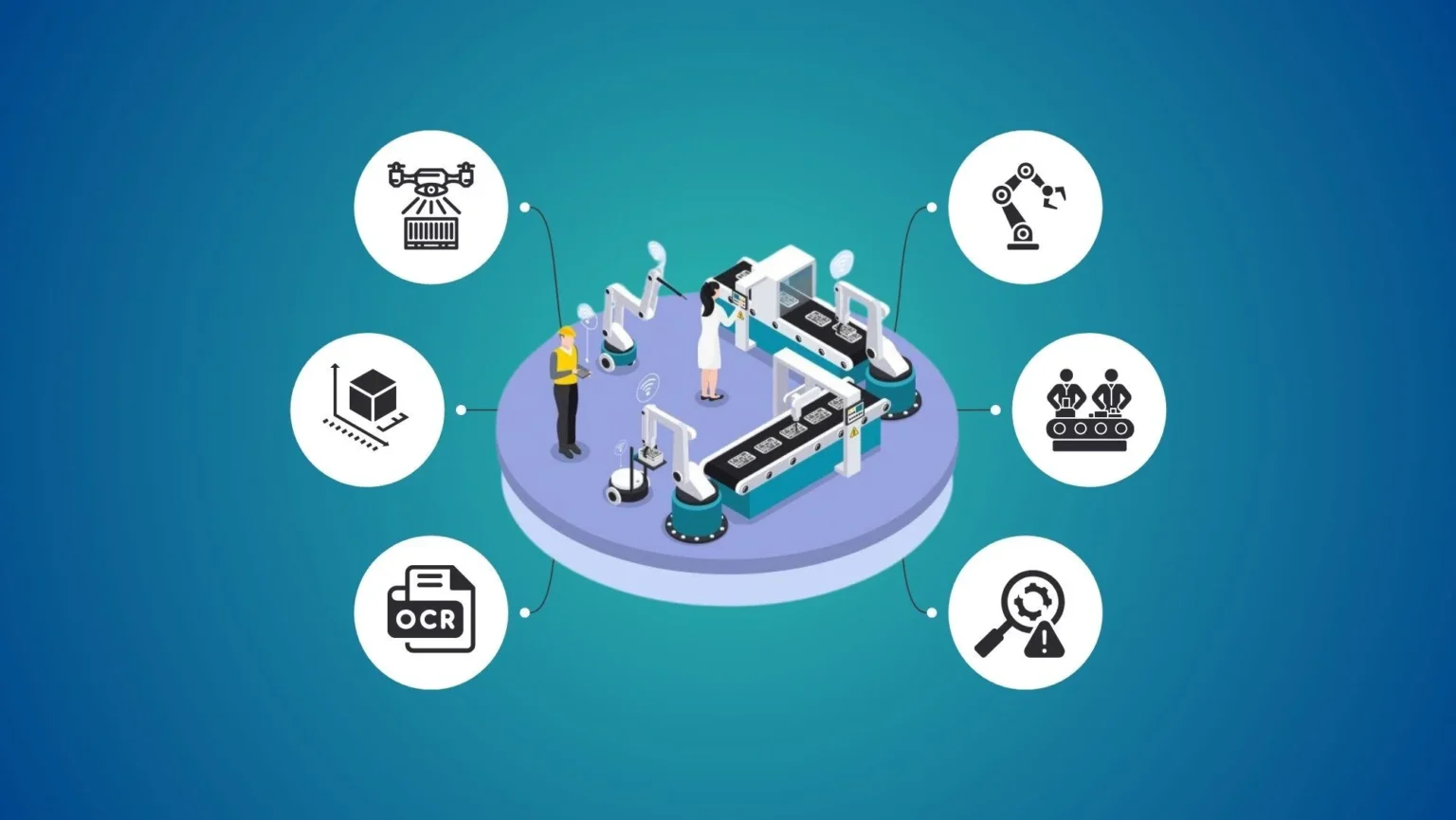

Manufacturing operations in the United States face mounting pressure to improve quality control while maintaining competitive production speeds. Vision systems have become essential for meeting these demands, but the financial realities of implementing these technologies extend far beyond initial equipment purchases. Production managers and plant engineers consistently underestimate the comprehensive costs associated with bringing vision control systems online and maintaining their effectiveness over time.
The complexity of modern manufacturing environments creates numerous cost factors that remain invisible during the planning stages. These expenses emerge gradually throughout implementation and operation phases, often forcing companies to make difficult decisions about project scope or timeline adjustments. Understanding these financial considerations before committing to vision system projects allows manufacturers to make more informed decisions and avoid budget overruns that can undermine project success.
Infrastructure Modifications Drive Unexpected Capital Expenses
The physical requirements for effective vision control system integration frequently demand significant modifications to existing production environments. Manufacturing facilities rarely possess the precise lighting conditions, vibration isolation, or spatial arrangements necessary for optimal vision system performance. These environmental factors directly impact system accuracy and reliability, making infrastructure upgrades unavoidable rather than optional.
Lighting systems require complete overhaul in most installations. Standard factory lighting creates shadows, glare, and color temperature variations that interfere with image capture and analysis. Specialized LED arrays with controlled intensity and wavelength characteristics become necessary, along with diffusion panels and positioning hardware. The electrical infrastructure supporting these lighting systems often requires upgrading to handle increased power loads and provide stable voltage regulation.
Structural Reinforcement Addresses Vibration Sensitivity
Vision systems depend on stable mounting platforms to maintain calibration and image quality. Production equipment generates vibrations that travel through floor structures and mounting points, causing image blur and measurement errors. Manufacturers frequently discover that their existing support structures cannot provide the stability required for consistent vision system operation.
Isolation platforms, reinforced mounting brackets, and foundation modifications become necessary to achieve acceptable performance levels. These structural changes often require production shutdowns during installation, adding indirect costs through lost production time. The engineering analysis required to determine appropriate structural modifications adds both time and expense to project timelines.
Environmental Control Systems Protect Equipment Investment
Temperature fluctuations and airborne contaminants affect both vision system hardware and measurement accuracy. Manufacturing environments typically lack the environmental controls necessary to protect sensitive optical components and maintain consistent operating conditions. Climate control systems, air filtration equipment, and protective enclosures represent significant additional investments that extend well beyond the core vision system components.
Dust, oil mist, and chemical vapors present in many manufacturing environments can degrade optical surfaces and electronic components over time. Protective measures must be implemented to prevent contamination while maintaining system accessibility for maintenance and adjustment procedures.
Software Integration Complexity Multiplies Development Costs
Vision control systems must communicate effectively with existing production equipment and enterprise systems to deliver operational value. This integration requirement involves substantial software development work that extends far beyond configuring vision algorithms. Manufacturing facilities typically operate multiple generations of equipment from different vendors, each with unique communication protocols and data formats.
Custom software development becomes necessary to bridge these communication gaps and create seamless data flow between vision systems and production control networks. The complexity of this integration work depends heavily on the diversity of existing equipment and the sophistication of data requirements. Simple pass-fail decisions may require minimal integration effort, while comprehensive quality data collection and reporting systems demand extensive custom programming.
Legacy System Compatibility Creates Programming Challenges
Older production equipment often lacks modern communication capabilities, requiring additional hardware and software layers to enable integration with vision control systems. Protocol converters, data translation modules, and custom interface boards add both cost and complexity to integration projects.
The expertise required for this integration work spans multiple technical disciplines, from machine vision programming to industrial networking and database management. Finding qualified personnel with this broad skill set proves challenging and expensive for many manufacturers.
Database and Reporting Infrastructure Supports Quality Management
Vision systems generate substantial amounts of quality data that must be stored, analyzed, and reported according to industry standards and customer requirements. This data management capability requires robust database infrastructure, backup systems, and reporting tools that may not exist in the current manufacturing environment.
Compliance with industry quality standards such as those established by the International Organization for Standardization often drives specific data retention and reporting requirements that influence database design and capacity planning. These systems must operate reliably over extended periods while maintaining data integrity and availability.
Operator Training Programs Require Sustained Investment
Vision control systems introduce new operational procedures and troubleshooting requirements that existing production staff must master. The complexity of modern vision systems extends well beyond simple operation, requiring operators to understand system calibration, parameter adjustment, and basic maintenance procedures. This knowledge transfer process requires structured training programs and ongoing support that represents a significant hidden cost.
Training effectiveness depends on both the quality of instructional materials and the availability of hands-on practice opportunities. Developing comprehensive training programs requires collaboration between vision system vendors, internal technical staff, and production management. The time investment from experienced personnel to develop and deliver training reduces their availability for other critical tasks.
Skill Development Spans Multiple Technical Areas
Effective vision system operation requires understanding of optical principles, image processing concepts, and quality control procedures. Production workers must learn to recognize when systems are operating correctly and identify potential problems before they affect product quality. This knowledge development takes time and requires ongoing reinforcement through practice and experience.
Maintenance personnel need deeper technical knowledge covering system calibration, troubleshooting procedures, and component replacement techniques. This training often requires vendor-specific certification programs that add both direct costs and time commitments for key personnel.
Knowledge Retention Challenges Multiply Training Costs
Staff turnover in manufacturing environments means that training investments must be repeated regularly to maintain operational capability. Documentation and training materials require updates as systems evolve and new procedures are developed. The ongoing nature of training requirements creates a continuous cost that many organizations fail to anticipate during initial project planning.
Calibration and Maintenance Programs Ensure Long-Term Performance
Vision control systems require regular calibration and preventive maintenance to maintain accuracy and reliability over time. These maintenance requirements extend beyond basic cleaning and inspection to include complex procedures for verifying measurement accuracy and adjusting system parameters. The frequency and complexity of these maintenance activities directly impact ongoing operational costs.
Calibration procedures typically require specialized reference standards and measurement equipment that must be maintained and certified for accuracy. These reference tools represent additional capital investments and ongoing certification costs that add to the total cost of ownership for vision systems.
Component Replacement Schedules Impact Operational Planning
Optical components, lighting systems, and electronic modules have finite service lives that require planned replacement to maintain system performance. LED lighting arrays experience gradual output degradation over time, while camera sensors and optical filters may require replacement due to contamination or wear.
Maintaining adequate spare parts inventory ensures rapid response to component failures but ties up capital in inventory investment. The balance between inventory costs and downtime risks requires careful analysis of component reliability data and production requirements.
Documentation and Change Management Procedures
Effective maintenance programs require comprehensive documentation of system configurations, calibration procedures, and performance history. This documentation must be maintained and updated as systems evolve and procedures are refined. The administrative overhead associated with maintaining accurate records adds to operational costs while providing essential support for troubleshooting and compliance activities.
Quality Validation Testing Extends Project Timelines
Vision control systems must demonstrate consistent performance across the full range of production conditions before they can be trusted for critical quality decisions. This validation process requires extensive testing with actual production parts under varying conditions to establish system capability and reliability. The time and resources required for thorough validation testing often exceed initial estimates, particularly when systems must meet stringent quality requirements.
Statistical validation requires large sample sizes and extended testing periods to establish confidence in system performance. This testing must cover worst-case scenarios including variations in part appearance, lighting conditions, and environmental factors that may affect system accuracy.
Process Capability Studies Establish Performance Baselines
Demonstrating that vision systems can consistently detect defects and measure critical dimensions requires systematic capability studies using statistical methods. These studies must account for measurement system variation separate from actual part variation to establish true process capability.
The complexity of these studies increases when multiple quality characteristics must be measured simultaneously or when systems must distinguish between acceptable variation and actual defects. Extended data collection periods may be required to capture sufficient statistical evidence of system performance.
Customer Approval Processes Add Validation Requirements
Many manufacturing operations serve customers who require formal approval of quality control procedures and equipment. These approval processes may require additional documentation, testing, and validation activities beyond internal requirements. Customer-specific requirements can significantly extend project timelines and add costs that are difficult to predict during initial planning phases.
Conclusion
The hidden costs associated with vision control system integration reflect the comprehensive nature of implementing advanced quality control technology in manufacturing environments. Success requires careful attention to infrastructure requirements, software integration complexity, training programs, maintenance procedures, and validation testing. These factors combine to create total project costs that typically exceed initial equipment purchases by substantial margins.
Manufacturing organizations can better manage these costs through thorough planning that accounts for all aspects of system implementation and operation. Early identification of infrastructure requirements, realistic assessment of integration complexity, and comprehensive evaluation of ongoing operational needs help establish accurate project budgets and realistic implementation timelines. Understanding these hidden costs enables manufacturers to make informed decisions about vision system investments and avoid budget overruns that can compromise project success.