
Audio professionals working in broadcast environments face a persistent challenge that often goes unnoticed by viewers but can derail entire productions. Poor wind protection on lapel microphones creates inconsistent sound quality, forcing expensive retakes and compromising professional credibility. The problem extends beyond simple weather conditions—indoor air circulation, HVAC systems, and even natural breathing patterns can generate enough air movement to create unwanted noise artifacts that standard foam covers cannot adequately suppress.
This issue has become more critical as production schedules tighten and budgets demand first-take accuracy. When standard foam solutions fail during live broadcasts or field recordings, the operational impact extends beyond audio quality to encompass crew efficiency, equipment reliability, and client satisfaction. Understanding why conventional approaches fall short—and what alternatives deliver consistent performance—has become essential knowledge for anyone responsible for professional audio capture.
The Fundamental Limitations of Standard Foam Construction
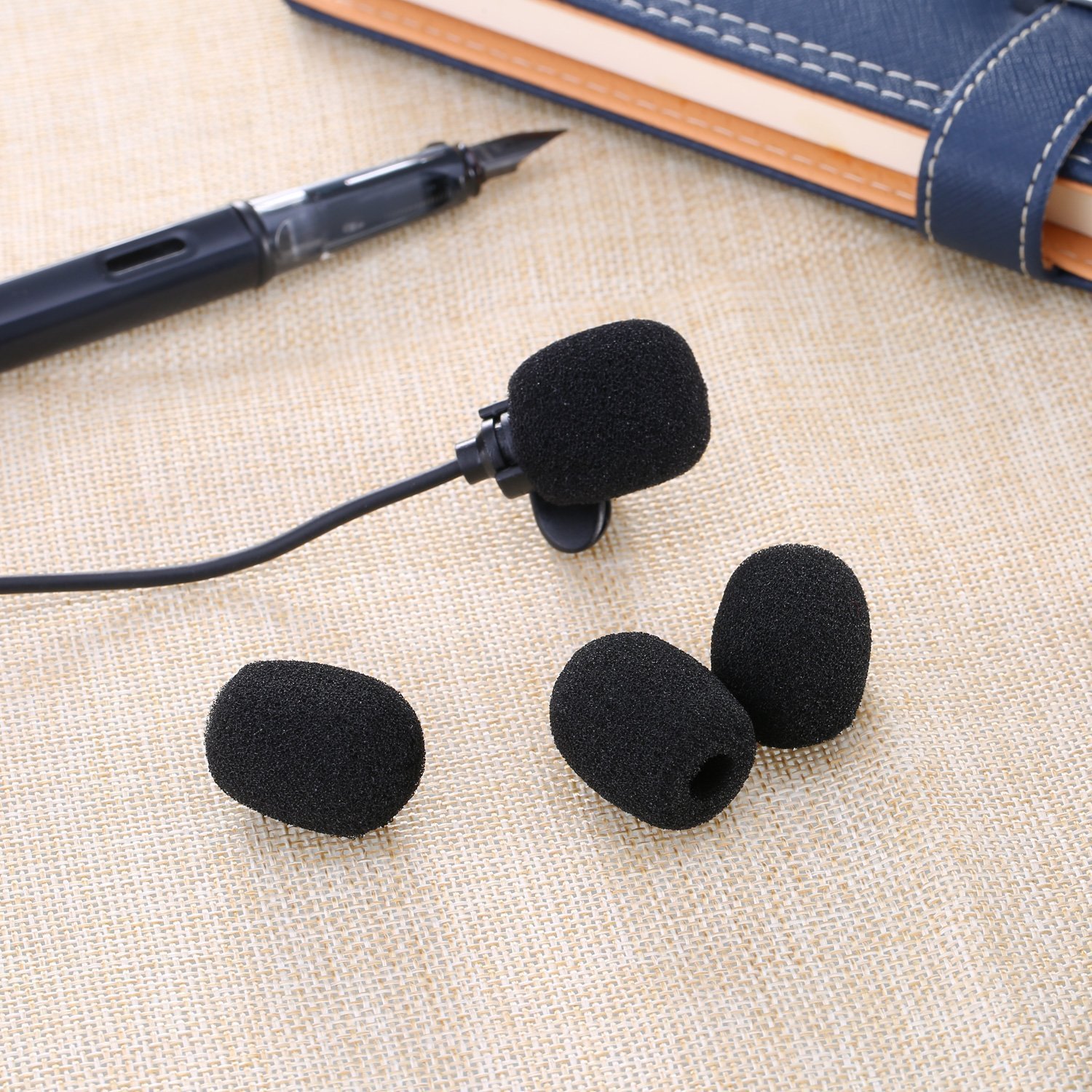
Most commercially available foam covers rely on open-cell polyurethane construction that creates significant vulnerabilities in real-world recording conditions. The material’s porous structure allows air to pass through with minimal resistance, which means that even moderate air movement can reach the microphone capsule and generate handling noise or wind interference. Professional audio engineers recognize that this lapel microphone foam cover approach addresses only the most basic protection needs while failing to account for the complex air patterns that occur in typical recording environments.
The density variations inherent in mass-produced foam create inconsistent acoustic properties across individual units. This manufacturing reality means that two supposedly identical covers can perform differently under the same conditions, introducing an element of unpredictability that professional workflows cannot accommodate. When crews rely on multiple wireless systems simultaneously, these variations compound into noticeable differences in sound character between speakers or performers.
Acoustic Transparency vs. Protection Trade-offs
Standard foam covers face an inherent engineering compromise between maintaining natural frequency response and providing effective wind protection. Manufacturers typically optimize for minimal high-frequency attenuation, which requires maintaining relatively large pore sizes in the foam structure. However, these same large pores allow air movement to penetrate the protective barrier, limiting the cover’s effectiveness against wind noise and breath sounds.
This compromise becomes particularly problematic when recording in controlled studio environments where subtle air currents from ventilation systems can still generate unwanted noise. The foam’s inability to create an effective dead air space around the microphone capsule means that even minimal air movement translates directly into audible artifacts that require post-production attention or necessitate additional takes.
Durability Issues Under Professional Use
The mechanical properties of standard foam materials degrade rapidly under the physical demands of professional production environments. Repeated compression from storage, exposure to makeup and styling products, and regular cleaning cycles cause the foam cells to collapse and lose their acoustic properties. This degradation process often occurs gradually, making it difficult to identify when replacement becomes necessary until audio quality issues become apparent during critical recording sessions.
Temperature and humidity variations further accelerate foam deterioration, particularly in outdoor recording situations where environmental conditions change throughout the day. The material’s tendency to absorb moisture reduces its effectiveness and creates additional weight that can affect microphone positioning and performer comfort during extended recording sessions.
Professional Alternatives: Layered Protection Systems
Broadcast professionals increasingly rely on multi-stage wind protection systems that combine different materials and geometric approaches to achieve consistent performance across varying environmental conditions. These systems typically incorporate an initial foam layer with modified cell structure, followed by an outer barrier made from specialized fabric or synthetic materials designed specifically for acoustic applications.
The layered approach creates multiple zones of air flow disruption, each designed to address different frequency ranges and air velocity patterns. The inner layer manages high-frequency protection and provides mechanical isolation, while the outer layer disrupts larger air movements before they can reach the foam component. This configuration maintains acoustic transparency while delivering significantly improved wind rejection compared to single-material solutions.
Hybrid Materials and Construction Methods
Advanced wind protection systems incorporate materials engineered specifically for professional audio applications, including closed-cell foams with controlled porosity and synthetic fabrics with precisely defined acoustic properties. These materials undergo testing protocols that evaluate performance across frequency ranges relevant to speech reproduction, ensuring that protection improvements do not compromise intelligibility or natural sound character.
The construction methods used in professional-grade systems also differ substantially from consumer approaches. Rather than simple slip-on designs, these systems often incorporate mechanical attachment points, adjustable positioning elements, and modular components that can be configured for specific recording scenarios. This modularity allows audio teams to optimize protection levels for each recording environment without carrying multiple complete systems.
Environmental Adaptability
Professional wind protection systems account for the reality that recording conditions change throughout production days, requiring adaptability that standard foam covers cannot provide. Advanced systems incorporate removable outer layers, adjustable air gap configurations, and material combinations that perform consistently across temperature and humidity ranges encountered in typical broadcast work.
This adaptability extends to compatibility with different microphone models and mounting systems, addressing the practical reality that professional audio teams work with diverse equipment configurations. The ability to maintain consistent protection characteristics across different microphone types eliminates variables that can compromise audio matching in multi-camera or multi-presenter scenarios.
Implementation Considerations for Audio Teams
Transitioning from standard foam solutions to professional wind protection systems requires careful evaluation of existing workflows and equipment compatibility. Audio teams must consider factors including storage and transport requirements, cleaning and maintenance procedures, and integration with current microphone and transmitter configurations. The initial complexity of advanced systems can seem daunting, but the operational benefits typically justify the learning curve within the first few production cycles.
Cost considerations extend beyond initial equipment investment to encompass reduced retake requirements, improved consistency across recording sessions, and decreased post-production time spent addressing wind noise issues. According to the Bureau of Labor Statistics, broadcast technicians increasingly focus on equipment solutions that minimize production delays, making wind protection system performance a measurable factor in operational efficiency.
Training requirements for professional systems typically involve understanding the acoustic principles behind layered protection, proper assembly and adjustment procedures, and maintenance protocols that preserve performance characteristics over extended use periods. Most manufacturers provide detailed documentation and support resources, but hands-on experience remains essential for optimizing system performance in specific recording environments.
Integration with Existing Equipment
Professional wind protection systems must accommodate the mechanical and electrical requirements of modern wireless microphone systems, including consideration for antenna positioning, battery compartment access, and cable management. The physical dimensions and weight characteristics of advanced protection systems can affect microphone positioning and concealment options, requiring coordination with wardrobe and lighting departments during production planning.
Compatibility testing becomes essential when implementing new protection systems across existing microphone inventories. Different microphone models exhibit varying sensitivity to wind noise, and protection system effectiveness can vary accordingly. Professional audio teams typically conduct systematic testing to establish baseline performance standards and identify optimal configurations for commonly used equipment combinations.
Maintenance and Longevity Factors
Professional wind protection systems require structured maintenance protocols to preserve performance characteristics throughout their operational lifespan. Unlike disposable foam covers that teams replace frequently, advanced systems represent significant investments that justify systematic care and maintenance procedures. These protocols typically address cleaning requirements, component inspection schedules, and replacement criteria for individual system elements.
The modular nature of professional systems allows for targeted maintenance and component replacement, extending overall system life while maintaining performance standards. Rather than replacing entire assemblies when individual components wear out, teams can address specific maintenance needs while preserving functional elements. This approach reduces long-term operational costs while ensuring consistent audio quality across production cycles.
Performance Monitoring and Quality Assurance
Systematic performance monitoring becomes essential when relying on advanced wind protection systems for critical recording applications. Audio teams develop testing protocols that evaluate system effectiveness under controlled conditions, establishing baseline measurements that guide maintenance decisions and replacement timing. These protocols typically incorporate both objective acoustic measurements and subjective listening evaluations to ensure that technical performance translates into acceptable audio quality.
Documentation practices for professional systems extend beyond simple inventory management to include performance history, maintenance records, and configuration notes for specific recording scenarios. This documentation supports consistent system performance across different crew members and production cycles while identifying patterns that inform future equipment decisions.
Conclusion
The limitations of standard foam covers become apparent when professional audio capture demands consistent, reliable performance across varying environmental conditions. While basic foam solutions address fundamental wind protection needs, their inherent material properties and construction methods cannot accommodate the complex requirements of modern broadcast and recording applications. Professional alternatives that incorporate layered protection systems, specialized materials, and modular designs deliver measurable improvements in audio consistency and operational reliability.
The transition to advanced wind protection systems requires careful planning and systematic implementation, but the operational benefits typically justify the initial complexity within the first few production cycles. As production schedules become increasingly demanding and audio quality standards continue to rise, the performance advantages of professional-grade systems become essential rather than optional. Audio professionals who understand these distinctions can make informed equipment decisions that directly support their operational objectives and professional credibility.