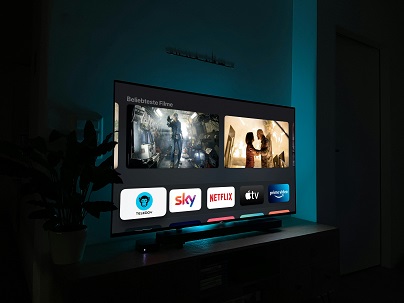

The advent of streaming services platforms has drastically transformed the landscape of the film industry, fundamentally altering how audiences consume content. With the proliferation of platforms such as Netflix, Hulu, Amazon Prime Video, and Disney+, viewers now have unprecedented access to a diverse array of films and television series from the comfort of their homes. The convenience and variety offered by streaming services have led to a significant shift in viewer habits, resulting in a marked decline in traditional cinema attendance.
Statistics from recent studies illustrate this trend; viewership of streaming content has surged to the extent that, in 2021 alone, the number of subscribers to major streaming platforms surpassed 1 billion globally. This remarkable increase highlights the growing preference for on-demand content over conventional movie-going experiences. Additionally, data reveals that the average consumer spends more than six hours a week engaging with streaming services, underscoring their dominant role in modern entertainment consumption.
The factors contributing to this shift are multifaceted. Firstly, the accessibility of streaming platforms enables viewers to watch films at their own pace without the limitations imposed by cinema schedules. Furthermore, streaming providers often offer exclusive content that is not available elsewhere, incentivizing subscriptions. This democratization of access breaks geographical boundaries, allowing audiences from various backgrounds to enjoy a plethora of genres and productions.
Moreover, the rise of mobile devices and smart televisions has facilitated a seamless viewing experience, making it easier than ever to indulge in favorite films and series. As audiences grow accustomed to the flexibility of streaming, it becomes clear that this model is not just a temporary trend but rather a lasting evolution in how movies are produced, distributed, and consumed.
Top Contenders: Most Watched Movies
With the rise of streaming platforms such as Netflix, Amazon Prime, and Disney+, the landscape of movie consumption has transformed remarkably. Each platform hosts a variety of films that have captivated audiences worldwide. This section examines some of the most watched movies currently dominating these platforms, providing insights into their viewing statistics, release dates, genre classifications, and how they have engaged audiences.
One of the standout titles on Netflix is “Bird Box”, released in December 2018. This psychological thriller amassed over 80 million views within its first month, showcasing its immense popularity. The film, featuring Sandra Bullock, is centered around survival in a post-apocalyptic world, leading to high engagement levels due to its intense storyline and suspenseful atmosphere.
On Amazon Prime, “Coming 2 America” has gained attention since its release in March 2021. This comedic sequel to the original 1988 film not only drew in large viewership numbers but also sparked significant conversations around nostalgia and cultural representation. Reports indicate that more than 1.4 million households streamed the movie during its first weekend, contributing to its viral status.
Disney+ has made waves with “Hamilton”, launched in July 2020. This musical, based on the life of Alexander Hamilton, has been celebrated for its innovative blend of hip-hop and traditional musical styles. It garnered over 2.7 million views in its opening weekend, which underscores its appeal across diverse audiences.
When comparing these films, it becomes clear that each has significantly impacted viewer engagement through various means. Critical receptions also vary, with films like “Bird Box” and “Hamilton” achieving strong acclaim from both fans and critics alike, while titles like “Coming 2 America” have sparked mixed reviews. Overall, these movies exemplify how streaming platforms have reshaped the entertainment landscape, creating spaces for diverse narratives and genres to thrive.
Why These Movies Captured Audiences
In the rapidly evolving landscape of entertainment, specific films have emerged as dominant forces on streaming platforms, captivating audiences with their unique combination of compelling storytelling, star power, high production quality, and a resonance with contemporary social issues. One of the most significant elements contributing to the success of these films is their storytelling. Audiences gravitate toward narratives that not only engage them but also provoke thought and evoke emotional responses. This connection to the story often translates into significant viewership and repeat engagement across platforms.
Star power is another essential ingredient in the formula for success. A well-known cast can draw in viewers who may be eager to see their favorite stars in new roles. Additionally, the presence of recognized actors can lend credibility to a film, encouraging audiences to take it seriously and opt to watch it over other titles. Furthermore, the marketing strategies implemented to promote these movies play a crucial role in attracting viewers. Effective marketing can enhance a film’s visibility, utilizing trailers, social media engagements, and influencer partnerships to create buzz prior to a film’s release, which can significantly influence its initial viewership metrics.
Production quality also cannot be overlooked. High production values, coupled with exceptional cinematography and sound design, contribute to a film’s overall appeal, engaging viewers on a sensory level. Additionally, films that address current social issues are increasingly resonant with audiences, as they elicit discussions around topics pertinent to contemporary society. This alignment with the zeitgeist serves to make a film not only entertaining but also relevant, further solidifying its position on various streaming platforms.
The Future of Streaming: Trends and Predictions
The rapidly evolving landscape of streaming platforms suggests a future rich with innovation and adaptability. As viewers increasingly embrace digital content, various trends are set to shape the next era of movie streaming. One significant trend is the integration of immersive technologies, such as virtual reality (VR) and augmented reality (AR). These advancements promise to revolutionize the viewer experience, allowing audiences to engage with content in ways that were previously unimaginable, such as interactive storytelling where viewers can influence narrative outcomes.
Artificial intelligence (AI) will also play a critical role in streaming’s future. The deployment of AI algorithms enhances content recommendations, ensuring that viewers discover films and shows aligned with their preferences. This personalization will become more sophisticated, providing a tailored experience for individuals, thereby increasing engagement and retention rates across platforms. Furthermore, AI can streamline production processes, from script analysis to post-production editing, making it possible for content creators to deliver high-quality movies more efficiently and cost-effectively.
As streaming services connect with their audiences, new subscription models are emerging. With the rise of ad-supported tiers and flexible payment options, companies are exploring diversified revenue streams to cater to various viewer segments. These innovative models may enhance affordability, granting wider access to content while still maintaining profitability for streaming platforms.
Moreover, changing viewer preferences will influence the types of content produced. Growing interest in niche genres and international films suggests a shift toward more diverse storytelling. Experts predict that as audiences become more globally minded, streaming services will prioritize inclusive content that reflects varied experiences and cultures.
Ultimately, the trajectory of streaming reveals a fascinating convergence of technology, creativity, and consumer behavior. By closely monitoring these trends, stakeholders in the streaming industry can more effectively navigate the challenges and opportunities that await in the coming years.