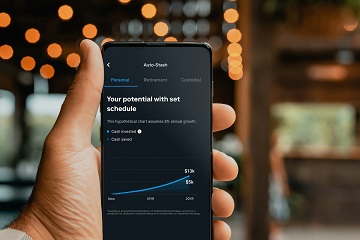

Women entrepreneurs continue to shape industries, launch innovative companies, and redefine leadership across the business landscape. Alongside these achievements comes the responsibility of managing finances in ways that support both immediate business needs and long term personal goals. Financial power is not only about income generation but about control, clarity, and confidence in decision making. For women building and growing businesses, strengthening financial power requires intentional planning, informed strategies, and a mindset that values sustainability as much as success. When finances are approached strategically, they become a tool for freedom rather than a source of stress.
Understanding the Unique Financial Landscape for Women Entrepreneurs
Women entrepreneurs often navigate a financial environment that differs from traditional business paths. Many operate in early stage growth phases, balance multiple responsibilities, or self fund their ventures. These realities make cash flow management and long term planning especially important. Understanding personal and business finances as interconnected yet distinct systems helps create stability on both fronts. Clear boundaries between business income, taxes, and personal savings reduce risk and improve clarity. By taking time to understand their full financial picture, women entrepreneurs can make more confident decisions that support growth without compromising personal security.
Building Confident Money Habits That Support Growth
Strong money habits form the foundation of financial power. Regularly reviewing financial statements, monitoring expenses, and setting measurable goals foster a sense of control and awareness. Consistency matters more than complexity. Simple habits such as monthly check ins or quarterly goal reviews can significantly improve financial outcomes. Confidence grows when decisions are backed by knowledge rather than assumptions. Over time, these habits reduce uncertainty and make larger financial choices, such as expansion or hiring, more manageable. Financial confidence is not inherited, it is built through repetition and responsibility.
Separating Business Success From Personal Financial Stability
One common challenge for women entrepreneurs is tying personal financial security too closely to business performance. While entrepreneurship involves risk, personal stability should not depend solely on business revenue. Creating emergency savings, retirement contributions, and personal investment strategies helps protect long term well being. When personal finances are secure, business decisions become more strategic rather than reactive. This separation allows entrepreneurs to take calculated risks without jeopardizing their future. Strong financial boundaries provide peace of mind and reinforce the ability to lead with clarity and confidence.
Leveraging Professional Support to Strengthen Strategy
As businesses grow, financial decisions become more complex. Partnering with experienced professionals can help women entrepreneurs align their goals with practical strategies. Working with experts in wealth management in Denver, Colorado can offer guidance tailored to both business ownership and personal financial growth. Professional insight can clarify tax strategies, investment planning, and long term security considerations. This collaboration helps entrepreneurs navigate challenges efficiently while staying focused on their vision. With structured support, financial decision making becomes proactive rather than overwhelming.
Planning for Long Term Wealth Beyond the Business
Entrepreneurship often focuses on near term milestones such as revenue targets, funding rounds, or client growth. While these goals are important, long term wealth planning deserves equal attention. Retirement planning, diversification of income streams, and succession considerations ensure financial strength beyond daily operations. Thinking ahead allows women entrepreneurs to define what success looks like in different life stages. Planning early provides flexibility and reduces pressure later. Long term vision transforms financial effort into lasting security and independence.
Embracing Financial Education as a Leadership Skill
Financial literacy is a powerful leadership tool. Understanding financial concepts strengthens negotiations, improves strategic planning, and enhances credibility with partners and stakeholders. Continued learning empowers women entrepreneurs to ask better questions and evaluate opportunities more effectively. Education does not require expertise in every detail, but it does require curiosity and engagement. By treating financial knowledge as essential rather than optional, entrepreneurs gain greater influence over their outcomes. Financial literacy fosters autonomy and reinforces leadership across every aspect of the business.
Conclusion
Strengthening financial power is a continuous journey that evolves alongside entrepreneurial growth. For women entrepreneurs, financial clarity supports confidence, resilience, and informed leadership. By developing strong money habits, protecting personal stability, seeking trusted guidance, and planning beyond daily operations, financial decisions become tools for empowerment. When finances are aligned with purpose and long term vision, they support both business success and personal fulfillment. Financial power is not about perfection or speed but about intentional progress that creates lasting opportunity and independence.