
Introduction
Waste management has become a critical part of maintaining healthy, sustainable communities across the United States. As cities expand and construction, commercial activity, and residential development continue to grow, the demand for reliable and efficient waste removal services is higher than ever. Improper disposal not only affects environmental health but also impacts public safety and long-term urban planning.
Modern waste solutions are no longer limited to simple garbage collection. They now include recycling programs, construction debris handling, hazardous material control, and large-scale commercial cleanup services. Companies and homeowners alike are seeking dependable partners who can manage waste responsibly while meeting environmental regulations.
In this evolving landscape, professional services such as Waste Removal USA play an important role in supporting cleaner, more organized communities through structured and compliant disposal practices.
The Growing Importance of Efficient Waste Management
As population density increases in urban and suburban areas, waste generation has surged significantly. This growth places pressure on municipalities and private operators to adopt more efficient systems. Poor waste handling can lead to pollution, pest infestations, and even public health risks.
Efficient waste management focuses on reducing landfill dependency through recycling and reuse initiatives. It also emphasizes timely collection and proper sorting to ensure materials are processed correctly. Businesses, especially in construction and retail sectors, rely heavily on structured disposal systems to maintain operational efficiency.
In addition, regulatory compliance has become stricter over the years. Local and federal guidelines require safe disposal of specific materials, making professional oversight essential. Organizations that fail to comply risk penalties and environmental harm, highlighting the importance of structured waste solutions.
Residential Waste Solutions and Community Impact
Residential waste management plays a significant role in keeping neighborhoods clean and livable. From regular household trash to seasonal cleanup projects, homeowners need reliable services that ensure timely removal and responsible disposal.
One of the key challenges in residential waste handling is volume fluctuation. Events such as home renovations, yard cleanups, and moving often generate more waste than standard collection services can handle. In such cases, specialized pickup services become essential.
Additionally, proper waste segregation at the residential level supports recycling efforts and reduces environmental impact. Communities that actively participate in sorting recyclables contribute to lower landfill usage and improved sustainability outcomes. Education and access to reliable waste services are crucial in promoting these behaviors across neighborhoods.
Commercial and Construction Waste Management Needs
Commercial and construction sectors produce some of the highest volumes of waste, requiring specialized handling and logistics. Offices, retail spaces, and industrial facilities generate continuous waste streams that must be managed efficiently to avoid disruption.
Construction projects, in particular, create heavy debris such as concrete, wood, metal, and packaging materials. Without structured removal services, these materials can accumulate quickly, slowing down project timelines and increasing safety risks on-site. Debris control is only half the obligation on an active site, since any project disturbing an acre or more also needs a stormwater plan — contractors filing a SWPPP Texas regulators will accept must document erosion controls, inspection schedules, and discharge points alongside their waste handling.
Professional waste management services help businesses maintain compliance with environmental regulations while ensuring smooth operations. They provide tailored solutions such as dumpster rentals, scheduled pickups, and large-scale debris removal. This allows companies to focus on productivity while maintaining clean and safe work environments.
Environmental Responsibility and Sustainable Practices
Environmental sustainability has become a central focus in modern waste management strategies. Organizations are increasingly adopting eco-friendly methods to reduce their carbon footprint and promote resource conservation.
Recycling and material recovery are key components of sustainable waste systems. By diverting recyclable materials from landfills, companies can reduce environmental strain and support circular economy practices. Composting organic waste also contributes to reducing greenhouse gas emissions.
Furthermore, advancements in waste processing technology have improved efficiency and reduced environmental impact. Automated sorting systems, waste-to-energy facilities, and optimized logistics all contribute to a more sustainable future. Public awareness and corporate responsibility continue to drive progress in this sector, encouraging more environmentally conscious decision-making.
Technology and Innovation in Waste Removal
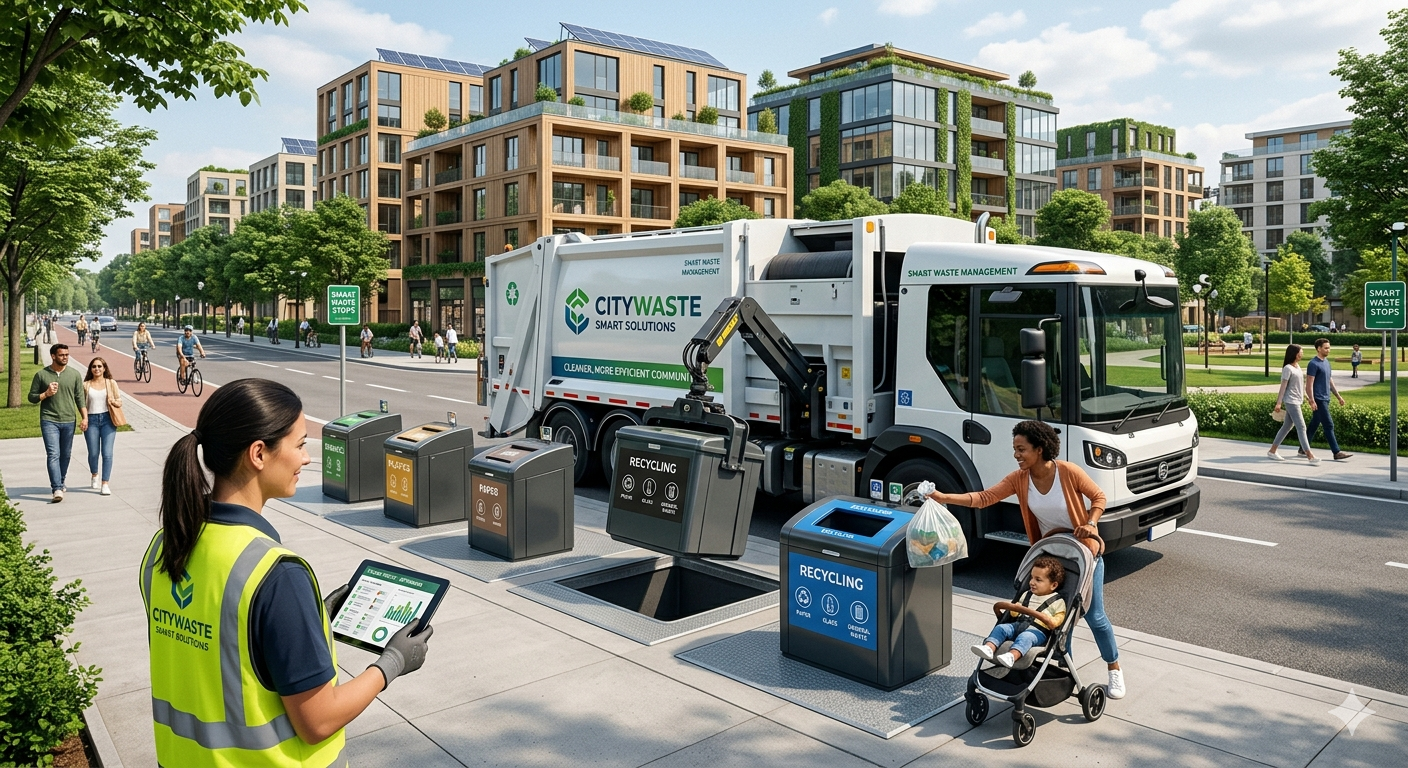
The waste management industry is undergoing rapid transformation due to technological innovation. Digital scheduling systems, GPS tracking for collection vehicles, and smart waste monitoring tools are improving efficiency and transparency.
These technologies allow service providers to optimize routes, reduce fuel consumption, and improve response times. Data-driven insights also help identify waste generation patterns, enabling better planning and resource allocation.
Additionally, mobile applications and online platforms have made it easier for customers to schedule pickups and manage their services. This level of convenience has significantly improved customer satisfaction and operational efficiency across the industry.
As innovation continues, the integration of artificial intelligence and automation is expected to further streamline waste processing and reduce operational costs.
Conclusion
Waste management is no longer just a background service—it is a vital component of modern infrastructure and environmental responsibility. From residential neighborhoods to large commercial and construction sites, efficient waste handling ensures cleaner, safer, and more sustainable communities.
As environmental concerns and regulatory standards continue to evolve, the demand for structured and technology-driven waste solutions will only grow. Organizations that invest in responsible waste practices contribute not only to operational efficiency but also to long-term ecological balance.
The future of waste management lies in innovation, sustainability, and collaboration between service providers, businesses, and communities working together toward a cleaner environment.