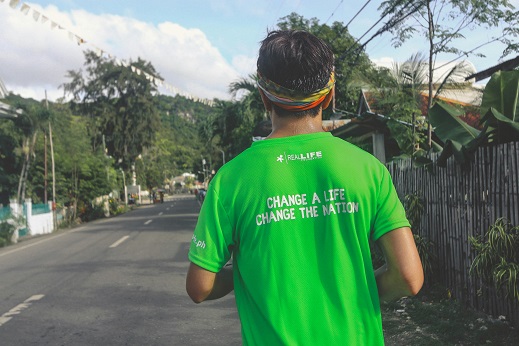

The rising trend of lifestyle changes across the nation can be attributed to a variety of interconnected factors that reflect increasing health awareness, growing environmental concerns, and the pervasive influence of social media. Each of these elements plays a significant role in shaping societal behaviors and attitudes towards living more healthily and sustainably.
Health awareness has surged in recent years, significantly fueled by widespread access to information. As people educate themselves about the adverse effects of processed foods and sedentary lifestyles, there is a marked shift towards diets rich in whole foods, fruits, and vegetables. This heightened consciousness around nutrition and exercise is indicative of a broader societal effort to reduce the burden of lifestyle-related illnesses, such as obesity and diabetes.
In addition, environmental concerns are increasingly driving individuals to alter their lifestyle choices. The impact of climate change and environmental degradation has prompted many to pursue more sustainable living practices. From choosing plant-based diets to opting for public transport or cycling, individuals are actively seeking ways to minimize their carbon footprint. This awareness is not only confined to personal choices but extends into consumer behavior, with a growing preference for eco-friendly products and companies that prioritize sustainability.
Lastly, social media plays a pivotal role in disseminating information and inspiring change. Platforms such as Instagram, YouTube, and TikTok allow users to share their lifestyle transformations, garnering support from a community of like-minded individuals. Influencers and advocates model healthier lifestyle choices, reinforcing the notion that a shift towards better living is both achievable and desirable. This connectivity enhances the collective momentum toward adopting healthier habits and sustainable practices on a national scale.
Popular Lifestyle Changes Taking Over: A Closer Look
In recent years, a significant shift has been observed in the lifestyles adopted by individuals across the nation. These changes are not merely fleeting trends but rather a reflection of a deeper desire for improved health, sustainability, and overall well-being. One prominent lifestyle change that has gained immense traction is the plant-based diet. Increasingly, people are opting for vegetarian or vegan diets, driven by health considerations as well as ethical concerns regarding animal welfare and environmental sustainability. A recent study revealed that the number of individuals identifying as vegan has grown by over 300% since 2014, showcasing a decisive shift in dietary habits.
Another lifestyle trend gaining popularity is minimalism, which advocates for a simpler, more intentional way of living. This philosophy encourages individuals to declutter their lives by reducing physical possessions and focusing on experiences rather than material wealth. Proponents of minimalism suggest that this approach not only leads to a cleaner living space but also promotes mental clarity and reduces stress. With the rise of social media platforms featuring minimalist influencers, many are becoming enamored with the notion of downsizing as a means of enhancing overall life satisfaction.
The remote work phenomenon has also transformed how people approach their professional lives. The COVID-19 pandemic accelerated the trend towards telecommuting, leading to a greater appreciation for work-life balance. According to a survey conducted by Gallup, 54% of employees expressed a preference for remote work opportunities even once the pandemic is over. This seismic shift has prompted companies to adapt, creating more flexible policies that align with the new workforce expectations.
Lastly, wellness practices, particularly yoga and meditation, have become integral components of many individuals’ daily routines. The emphasis on mental and physical health is noticeable, with an increasing number of individuals participating in yoga classes or practicing mindfulness meditation at home. Research indicates that regular engagement in these activities can significantly reduce stress and enhance emotional resilience, thus fostering overall well-being.
Challenges and Resistance: The Other Side of the Coin
The transition towards healthier and more sustainable lifestyle changes often encounters significant challenges. Individuals and communities are frequently met with resistance, stemming from both societal norms and personal beliefs. Firstly, societal resistance can manifest through skepticism or disapproval from peers and family members. Changes in lifestyle, such as adopting a vegan diet or committing to daily exercise, may be viewed as deviations from established customs, leading to social friction and isolation. This resistance can deter individuals from pursuing new habits, as the desire for social acceptance remains a powerful motivator.
Additionally, financial barriers play a crucial role in hindering lifestyle changes. The perception that healthier choices, such as organic foods or gym memberships, come with a high cost can be discouraging. Many people believe that affordable options are limited to processed or fast foods, perpetuating a cycle of unhealthy eating habits. Cost-effective alternatives must be promoted to facilitate better health choices without straying from economic means. Communities can implement programs to encourage affordable access to nutritious foods, thereby reducing financial constraints.
Finally, mental hurdles present another significant obstacle. Long-standing habits can be deeply entrenched in daily routines, making change intimidating and overwhelming. The psychological resistance to change often manifests as fear of failure or feelings of inadequacy. Addressing these mental barriers can involve setting achievable goals and celebrating small successes along the way. Educational resources aimed at enhancing self-efficacy can empower individuals to pursue lifestyle modifications actively.
In conclusion, while the desire for lifestyle changes is evident across the nation, it is essential to recognize and address the multifaceted challenges that individuals face. By acknowledging societal resistance, financial limitations, and mental barriers, society can work towards creating a more supportive environment that fosters positive lifestyle transformations.
The Future of Lifestyle Changes: What Lies Ahead?
The landscape of lifestyle changes is rapidly evolving, shaped by a myriad of factors including technological advancements, shifts in cultural norms, and an increasing emphasis on mental health. As we move further into this decade, the implications of these changes will likely become more pronounced, creating new opportunities and challenges in how we live, work, and interact with each other.
Advancements in technology play a crucial role in shaping future lifestyle choices. The rise of smart home devices, wearable technology, and mobile applications for health and wellness is indicative of a trend toward greater convenience and efficiency in daily routines. As these technologies become more integrated into society, individuals will be empowered to make more informed decisions about their health and well-being. The accessibility of information through digital platforms will promote personalization of lifestyle changes, enabling users to tailor their habits to meet unique needs and preferences.
Simultaneously, cultural norms surrounding health and wellness are shifting. There is a growing acceptance of diverse lifestyles, inclusivity in fitness approaches, and the prioritization of holistic well-being over traditional metrics of success. This cultural evolution creates an environment in which individuals can pursue a variety of health-focused activities, from yoga and meditation to community gardening and sustainable living practices.
Furthermore, the recognition of mental health as a critical component of overall well-being cannot be overstated. As society continues to destigmatize mental health issues, expect to see a greater integration of mental health awareness into everyday lifestyle discussions. From workplace initiatives that promote mental well-being to community programs supporting emotional health, the future will likely see lifestyle shifts that are as much about mental resilience as they are about physical fitness.
In summary, the future of lifestyle changes holds immense potential shaped by technology, cultural acceptance, and a focus on mental health. As these trends continue to unfold, they will transform how we view health and wellness, ultimately leading to a more holistic approach to living well.