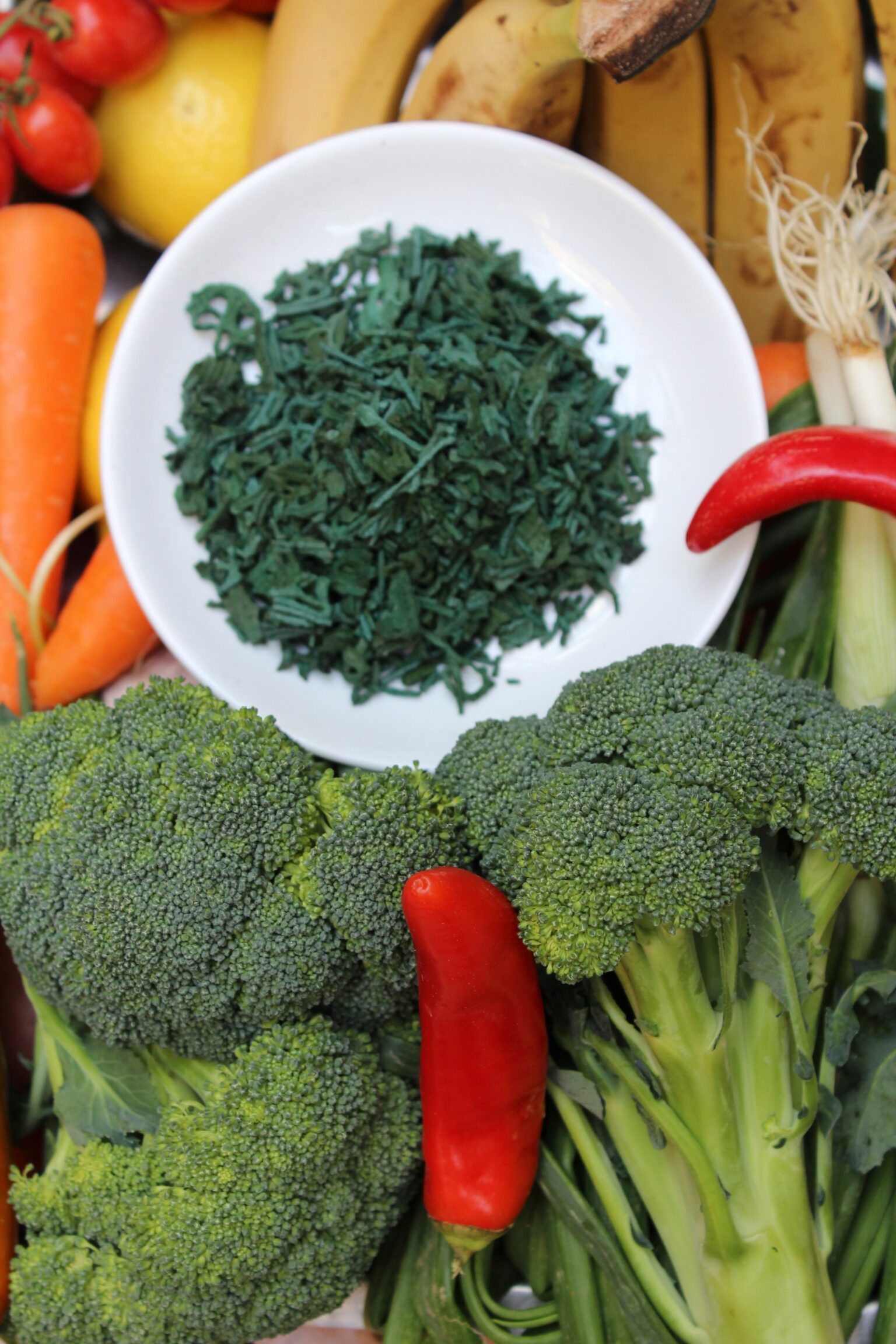

Introduction to Seasonal Eating
Seasonal eating refers to the practice of consuming food that is naturally produced during specific times of the year. This concept is rooted in agricultural cycles and reflects a deep connection between food and the seasons. Historically, various cultures have embraced this practice as a means to align their diets with the rhythm of nature, ensuring access to fresh, nutritious ingredients at the peak of their flavor and health benefits.
One of the primary reasons seasonal eating is significant lies in its impact on nutrition. Foods that are grown and harvested at the right time are often more nutrient-dense, as they have not been subject to long transportation times or preservation methods that can diminish their quality. For example, fruits and vegetables enjoyed during their peak season not only offer better taste but also higher levels of vitamins, minerals, and antioxidants.
Moreover, seasonal eating often contributes to sustainability. By choosing locally sourced foods, the carbon footprint associated with transporting food over long distances is substantially reduced. This local approach to food purchasing typically supports regional farmers and boosts local economies. As consumers increasingly express interest in understanding the origins of their food, seasonal eating serves as a viable and responsible choice in promoting ecological awareness.
In today’s fast-paced world, where convenience often overshadows the importance of freshness, the revival of seasonal eating can lead to healthier lifestyle choices. It invites individuals to reconnect with food as a natural resource that mirrors the changing seasons, enhancing their overall well-being. By embracing this approach, people not only nourish their bodies but also cultivate a greater appreciation for the cycles of nature and the bounty it provides throughout the year.
Nutritional Advantages of Seasonal Foods
Consuming seasonal foods is linked not only to sustainability and environmental benefits but also to significant nutritional advantages. Seasonal produce is commonly fresher than its out-of-season counterparts. Foods that are in season are typically harvested at their peak ripeness, which means they are not only more flavorful but also more nutrient-dense. Freshly harvested fruits and vegetables contain higher levels of vitamins, minerals, and antioxidants compared to those that are stored for long periods or shipped over long distances.
One of the primary nutritional advantages of seasonal eating is the variation in the availability of produce throughout the year. For example, in the summertime, an abundance of colorful fruits and vegetables such as tomatoes, berries, and zucchinis provide a rich source of vitamins A and C, potassium, and dietary fiber. These nutrients are crucial for maintaining good health, as they play a role in immune function, skin health, and digestion. On the other hand, winter months offer hearty root vegetables and leafy greens, which are rich in essential nutrients needed to support the body during colder seasons.
Moreover, local, seasonal foods are often grown without the need for extensive preservatives that can diminish nutritional quality. Out-of-season foods, often picked before their peak, may lose nutrients during transportation and storage. By prioritizing seasonal produce, individuals can enjoy foods that are not only vibrant and flavorful but also nutritionally superior. As such, integrating more seasonal fruits and vegetables into one’s diet can positively impact overall health and well-being.
Environmental Impact of Seasonal Eating
Seasonal eating presents numerous environmental benefits that significantly contribute to sustainability efforts. By choosing to consume foods that are in season locally, individuals can drastically reduce their carbon footprint. This reduction results primarily from decreased transportation distances. When food is shipped from distant regions or countries, it requires extensive fuel for transport, which in turn releases significant greenhouse gases. By eating what is in season in one’s locality, the need for long-distance travel decreases, leading to lower carbon emissions.
Moreover, seasonal eating promotes the support of local farmers and communities. When individuals choose to buy produce from nearby farms, they not only receive fresher and more nutrient-dense food, but also help foster a local economy. Supporting local agriculture means that farmers can maintain sustainable practices that are often more environmentally friendly than large-scale industrial farming. These practices include crop rotation, polycultures, and reduced reliance on pesticides and fertilizers, which ultimately enhance biodiversity.
Additionally, seasonal eating encourages individuals to be more aware of their food sources. This increased awareness can lead to better agricultural practices as consumers demand responsibly grown food. As seasonal diets often include a variety of foods, they also help in maintaining biodiversity by encouraging the cultivation of diverse crops. This diversity is essential in preserving ecosystems and promoting healthy soil, both of which are critical for long-term agricultural sustainability.
In view of these factors, making a conscious choice to incorporate seasonal eating into one’s lifestyle not only impacts personal health positively but also promotes a healthier planet through reduced carbon footprints, enhanced biodiversity, and support for local economies. The environmental benefits are profound and underline the importance of seasonal eating in fostering a sustainable future.
Economic Benefits of Supporting Local Farmers
Seasonal eating not only contributes to individual health but also significantly bolsters local economies. By choosing to purchase seasonal products, consumers often support local farmers, which can have a ripple effect throughout the community. When shoppers prioritize fruits and vegetables that are in season, they frequently buy from local farmers’ markets or community-supported agriculture (CSA) programs. This practice directly injects money into the local agricultural system, ensuring that small-scale farmers can thrive.
Supporting local farmers through seasonal eating helps sustain agricultural diversity, which is crucial for a healthy ecosystem. Local farmers are more likely to maintain environmentally friendly practices, which enhance soil quality and biodiversity. This sustainable approach often translates into fresher produce, reducing the need for long-distance transportation. Consequently, by minimizing transportation emissions, consumers partake in eco-friendly choices that benefit the environment while contributing to the local economy.
Moreover, seasonal products typically require less marketing and distribution costs, which allows farmers to retain a larger share of the sales income. This financial support encourages farmers to invest in their farms, invest in better farming practices, and ultimately increase the quality of their produce. Additionally, as local farms grow and prosper, they may hire more local workers, contributing to job creation and stability within the community.
The sense of community is further reinforced by seasonal eating, as it often encourages relationships between consumers and their food producers. Farmers’ markets and local farm events offer opportunities for consumers to meet the farmers who grow their food, fostering trust and appreciation for local agriculture. By nurturing these relationships, communities can collectively advocate for more sustainable farming practices, ensuring the vitality of local economies and agricultural heritage.
Impact on Food Taste and Quality
Seasonal eating involves incorporating fruits and vegetables that are naturally in peak production during certain times of the year. One significant advantage of consuming seasonal produce is the enhanced taste and quality of the food. When fruits and vegetables are harvested at the height of their growing season, they are often superior in flavor, texture, and nutritional value compared to those transported long distances or grown out of season. This timing is crucial because produce picked too early may lack the lush flavors and essential nutrients that develop as the crop ripens.
Additionally, seasonal foods are frequently fresher and more vibrant. When food is consumed shortly after harvesting, it retains optimal conditions, resulting in a more appealing appearance and improved taste profile. For instance, tomatoes in the summer are generally juicier and sweeter than those grown in greenhouse conditions during winter months. Similarly, berries picked in their peak months often provide a burst of sweetness and aroma that cannot be replicated by out-of-season alternatives.
Culinary experiences are significantly enhanced with the use of seasonal ingredients. Chefs and home cooks alike can appreciate the bold, rich flavors that seasonal fruits and vegetables offer. This seasonal variation enables creative and diverse cooking possibilities, making each meal unique and exciting. The natural flavors of in-season produce tend to shine through without the need for excessive seasoning or complicated preparations. Moreover, this emphasis on fresh, high-quality ingredients encourages a more mindful and enjoyable approach to eating.
In conclusion, embracing seasonal eating leads to a more flavorful and satisfying culinary experience. Incorporating seasonal produce not only ensures better taste and quality but also promotes a healthier relationship with food, encouraging consumers to connect with the rhythms of nature and reimagine their eating habits throughout the year.
Seasonal Eating and Health Benefits
Seasonal eating promotes the consumption of fruits and vegetables that are at their peak ripeness throughout the year. This practice not only supports local farmers but also offers a multitude of health benefits. One of the most notable advantages of seasonal eating is improved immunity. Foods that are consumed during their growing season tend to be richer in nutrients, enabling the body to bolster its defense mechanisms against illnesses. Nutrient-dense seasonal produce, such as oranges and leafy greens during winter, can help equip the body with essential vitamins and minerals.
In addition to boosting immunity, seasonal eating is linked to better digestion. Varied diets, composed of fresh fruits and vegetables, promote a diverse intake of dietary fibers, which are crucial for a healthy digestive system. Each season brings its own set of produce—such as cucumbers and melons in summer—that helps hydrate the body, while root vegetables in fall and winter are beneficial for warming meals that improve gut health.
Furthermore, consuming seasonal food enhances overall well-being, as these foods are typically fresher and more flavorful than out-of-season alternatives. Fresh produce is likely to be harvested at optimal flavor and nutritional content, which can lead to increased meals satisfaction and enjoyment. Additionally, seasonal eating encourages individuals to explore new recipes and keep their meal plans diverse, which can contribute to a healthier lifestyle.
By aligning food choices with seasonal availability, individuals may experience a gradual improvement in their health, energy levels, and mood. Seasonal eating not only supports bodily health but also fosters a stronger connection to the environment and the cycles of nature, ultimately leading to a more holistic approach to nutrition and well-being.
Challenges to Seasonal Eating
Adopting a seasonal eating lifestyle can provide numerous health benefits, yet there are several challenges that individuals may face in this endeavor. One significant obstacle is the availability of seasonal produce, which can vary based on geographic location. In many regions, access to fresh, local fruits and vegetables may be limited due to climate conditions or the lack of farmer’s markets. This scarcity can deter individuals from fully embracing a seasonal diet.
Cultural habits also play a pivotal role in how people approach their diets. In many societies, convenience and familiarity often dominate food choices, with processed foods being more readily available than fresh, seasonal options. Overcoming such ingrained habits can present a challenge for those interested in making dietary changes. Many find it difficult to shift their preferences to incorporate seasonal produce, especially if it differs significantly from their usual diet.
However, these challenges are not insurmountable. To facilitate a transition to seasonal eating, effective planning is essential. This may involve researching local seasonal produce, which can help individuals understand what is available and when. Additionally, establishing a stronger connection with local farmers through community-supported agriculture (CSA) programs can increase access to fresh seasonal options and foster a sense of engagement with local food systems.
Building community support through nutrition groups or local cooking classes can also help individuals overcome these challenges. Sharing recipes, cooking tips, and resources can encourage others to experiment with new ingredients and make seasonal eating more enjoyable. By addressing both the practical and cultural hurdles, individuals can successfully incorporate seasonal eating into their lifestyles, reaping the numerous health benefits it offers.
Practical Tips for Seasonal Eating
Incorporating seasonal eating into your daily life can significantly enhance your health and well-being. One effective strategy is to utilize seasonal produce charts, which are easily available online and in various format applications. These charts provide information on what fruits and vegetables are in season at different times of the year. By familiarizing yourself with these charts, you can plan your meals around the freshest offerings, ensuring that you consume the highest quality produce available.
Another practical approach is to plan your meals according to the harvest cycles of local farms. Understanding when certain crops are at their peak allows you to create menus that highlight these ingredients. For example, during the summer months, consider including corn, tomatoes, and zucchini in your recipes, as these vegetables thrive during this season and can enhance both the flavor and nutritional value of your meals.
Additionally, visiting local farmers’ markets can provide not only fresh, seasonal produce but also foster a connection with your community and support local agriculture. These markets typically feature a variety of fruits and vegetables, often harvested just hours before being sold. This not only guarantees freshness but also ensures that the products are likely to be in season. Engaging with local farmers can also offer insights into how their products are grown and when they reach their optimal state.
Finally, consider joining a community-supported agriculture (CSA) program. This allows you to receive a weekly supply of seasonal produce directly from local farms, ensuring you have a diverse array of fresh ingredients at your fingertips. By adopting these practical tips for seasonal eating, you will not only enjoy more flavorful meals but also contribute positively to your health and the environment.
Conclusion and Encouragement to Embrace Seasonal Eating
In conclusion, seasonal eating presents many health benefits that contribute to overall well-being. By consuming fruits and vegetables that align with the natural cycles of the seasons, individuals not only enjoy fresher and tastier produce but also fortify their diet with essential nutrients. These seasonal foods are often rich in vitamins and minerals, which are crucial for maintaining optimal health throughout the year.
Furthermore, embracing seasonal eating fosters a closer connection to local agricultural practices and supports community farmers. By choosing to buy from local markets, consumers can promote sustainable farming methods and reduce their carbon footprint. This conscious choice not only benefits the consumer but also contributes positively to the local economy and environment.
Additionally, practicing seasonal eating encourages culinary creativity. Each season offers a unique palette of flavors, and by experimenting with different recipes, individuals can discover new favorites while staying aligned with nature’s bounty. Whether it is enjoying the vibrant salads of spring or the hearty root vegetables of winter, seasonal eating invites diversity and excitement into daily meals.
By integrating seasonal produce into one’s diet, individuals join a larger movement toward making healthier choices. This mindful approach to food consumption encourages a more sustainable lifestyle while enhancing personal health outcomes. As such, it is worthwhile for everyone to consider the benefits of seasonal eating and incorporate it into their lives. By doing so, we not only nourish ourselves but also honor the ecosystems that sustain us.