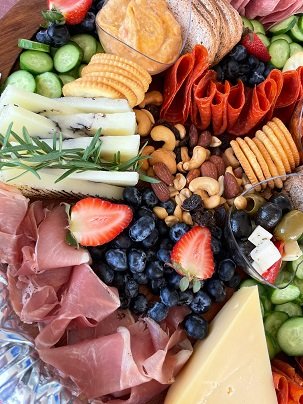

A charcuterie board ideas is a carefully arranged platter that features an assortment of cured meats, cheeses, garnishes, and accompaniments. The term “charcuterie” originates from the French word for “cooked meat,” and historically referred to prepared meats, particularly those made by French artisans. Over time, the concept has evolved to include a diverse range of food items, making it a central piece of modern culinary presentations.
The origins of charcuterie can be traced back to ancient civilizations, with the practice of preserving meat dating back thousands of years. The artistry of charcuterie flourished in France, where it became associated with the high standards of quality and craftsmanship expected from local purveyors. Today, charcuterie boards reflect this rich history while adapting to contemporary tastes and preferences.
In recent years, the trend of serving charcuterie boards at gatherings and events has gained significant popularity. These boards are not only visually appealing but also provide an opportunity to explore a variety of flavors and textures. Each board can be customized to suit specific dietary requirements or cultural traditions, catering to both omnivores and vegetarians alike. The arrangement of ingredients encourages interaction and conversation among guests, making it an ideal choice for parties, weddings, and casual gatherings.
The versatility of charcuterie boards lies in their ability to showcase local and artisanal products, which often reflect the seasonal availability of ingredients. Cheeses might range from sharp Cheddar to creamy Brie, while cured meats can include prosciutto, salami, and chorizo. Fruits, nuts, and spreads complement these primary components, creating a harmonious balance of savory and sweet flavors. Thus, the charcuterie board is not only a culinary delight but also a cultural experience that bridges flavors across various traditions.
Selecting a Board or Platter
Choosing the right board or platter for a charcuterie presentation is a fundamental step that can significantly influence the overall aesthetic and practicality of the spread. The material, size, and shape of the board can affect not only the display of the food items but also the dining experience itself.
Common materials for charcuterie boards include wood, marble, and slate. Each material has its unique advantages. Wooden boards are often favored for their rustic charm and warmth, making them a popular choice. They tend to absorb some moisture, which can be beneficial for certain cured meats, allowing for a more refined taste experience. Furthermore, they can be easily customized or maintained with appropriate care.
Marble, in contrast, provides a sleek and elegant presentation. It is naturally cool to the touch, which can help keep certain cheeses firm and at the ideal serving temperature. This is particularly important for softer cheeses that might otherwise melt or lose their texture. On the downside, marble can be heavier and more prone to scratching, requiring careful handling.
Slate boards offer a contemporary choice, known for their striking dark color that enhances the visual appeal of the vibrant charcuterie components. They are easy to clean and can add a modern aesthetic to your table setting. Additionally, chalk can be used to label items directly on the slate, enhancing the dining experience by identifying various cheeses and meats.
In terms of size and shape, the dimensions of the board will determine how much food you can serve. A larger, rectangular board might accommodate a wider selection of items, while a round board can create a more intimate presentation. Ultimately, your choice should align with the occasion and the variety of foods you plan to include, ensuring that your charcuterie board is not only visually striking but also functionally effective.
Choosing the Right Meats
When curating the perfect charcuterie board, selecting the right meats is essential for delivering both flavor and texture. The world of cured meats is vast, with a variety of options available that can cater to different palates. Common staples include salami, prosciutto, and chorizo, each bringing a unique taste and experience to your board.
Salami is a versatile choice, typically characterized by its robust and slightly spicy flavor; it is often made from pork and mixed with various spices. There are numerous varieties of salami, from the mild and tangy Genoa salami to the more peppery and garlicky Calabrese. By incorporating different types of salami, you can offer your guests an enticing mix of tastes while highlighting distinct regional characteristics.
Another popular option is prosciutto, an Italian dry-cured ham. Its delicate, sweet, and savory profile adds a luxurious touch to any charcuterie display. When choosing prosciutto, look for high-quality varieties, such as Prosciutto di Parma, which is renowned for its unmatched flavor and melt-in-your-mouth texture. Pairing prosciutto with fruits like figs or melon can also create a delightful contrast that elevates the entire board.
Chorizo, with its bold and spicy undertones, complements charcuterie boards exceptionally well. This Spanish sausage, typically made from pork and seasoned with paprika, offers a rich depth of flavor that stands out amongst milder meats. Consider including both spicy and sweet varieties of chorizo to introduce a spectrum of flavors.
For an appealing charcuterie experience, aim for a balance between flavors and textures. By incorporating a selection of cured meats that features varying levels of fattiness, spiciness, and finishing techniques, you can create an exciting and diverse charcuterie board that is sure to impress your guests.
Adding Cheeses to Your Board
When creating a perfect charcuterie board, selecting a variety of cheeses is essential to achieving a balanced and appealing platter. A thoughtfully chosen selection not only adds tantalizing flavors but also enhances the overall aesthetic. When considering cheese options, it is beneficial to incorporate a range of textures and flavors, such as sharp, creamy, and blue cheeses, to provide a compelling tasting experience.
Cheddar, for instance, is a classic choice that serves well on charcuterie boards due to its firm texture and robust flavor. A sharp aged cheddar can provide a nice contrast to milder components like crackers, fruits, or cured meats. Alternatively, Brie offers a softer texture and creamy flavor profile, inviting guests to enjoy its lusciousness by spreading it on bread or crackers. Its delicate nature pairs wonderfully with sweet accompaniments, such as honey or fruit preserves, creating a delightful combination.
Blue cheese presents a more pungent option, delivering a bold flavor that can invigorate a charcuterie spread. The unique taste of blue cheese often pairs well with sliced apples or fig jams, which can help balance its intensity. Other cheese varieties worth considering include goat cheese, known for its tangy zest, and gouda, which can range from mild to sharp depending on its aging process.
When it comes to cutting and presenting cheese, it is recommended to cut them into bite-sized pieces for easy serving. Using a variety of shapes, such as wedges, cubes, or thin slices, can also create an appealing visual effect. Purposefully arranging these cheese selections on your charcuterie board will encourage guests to sample different combinations, ensuring a memorable tasting experience. Overall, a curated assortment of cheeses tailored to your board will enhance the enjoyment for all.
Incorporating Accompaniments
In creating a well-rounded charcuterie board, selecting the right accompaniments is essential for enhancing the flavors of meats and cheeses. Accompaniments not only provide a delightful contrast in taste and texture but also add visual appeal, making your board inviting and appetizing.
One of the most popular accompaniments is fresh or dried fruit. Options such as grapes, figs, or apple slices can offer a sweet balance to salty or savory meats. Dried fruits, like apricots and cranberries, can also add a chewy texture and concentrated sweetness, providing an excellent pair for robust cheeses such as aged cheddar or blue cheese.
Nuts are another versatile option that adds crunch and richness. Almonds, walnuts, and pistachios are frequently chosen for their flavor profiles and attractive presentation. When selecting nuts, consider lightly seasoning or toasting them in advance to enhance their natural flavors.
Olives and pickles contribute a briny element that complements the fatty characteristics of certain meats and cheeses. Offering a variety can cater to different palates. For example, green olives may bring a more bitter note, while kalamata olives introduce a rich, fruity profile. A selection of pickled vegetables, such as gherkins or pickled red onions, can also provide a refreshing acidity.
In addition to solid accompaniments, spreads and dips can elevate your charcuterie experience. Options such as honey, fig jam, or artisanal mustard serve to deepen the flavor journey. When placing these on your board, utilize small bowls or ramekins for cleanliness and accessibility.
Finally, the arrangement of these accompaniments is vital for creating an appealing charcuterie board. Strive for balance and variety in terms of color, texture, and flavor. Placing contrasting items next to one another not only encourages exploration but also visually engages your guests.
Tips for Presentation
Creating a visually stunning charcuterie board goes beyond merely selecting tasty ingredients; it requires thoughtful presentation that invites guests to indulge. One of the primary factors to consider is the use of color. Choose a variety of meats, cheeses, fruits, and vegetables that offer a spectrum of hues. For instance, pairing white brie with dark salami and vibrant berries or grapes not only enhances visual appeal but also creates a feast for the eyes.
The shape of the charcuterie board can also play a significant role in its overall presentation. Instead of simply laying out all ingredients in a straight line, experiment with different layouts. Use the shape of the board to your advantage by arranging items in circles or other patterns, giving dimension and an organic feel to the design.
Balance is crucial for an aesthetically pleasing presentation. Distribute items evenly across the board, ensuring that no single area feels overcrowded or sparse. This can be achieved by grouping similar items together, which helps to create a sense of unity while avoiding clutter. For instance, cluster various cheeses in one area while placing an assortment of cured meats nearby. Doing so allows guests to easily navigate the board and create their own flavor combinations.
Incorporating small bowls for dips, spreads, or olives can enhance both functionality and presentation. These bowls draw attention and act as focal points on the board, breaking up larger items. They also make it easier for guests to serve themselves, minimizing mess.
Finally, remember to leave some space on the board for utensils and serving knives. This not only helps with accessibility but also adds to the overall neatness of the presentation. By adhering to these presentation tips, you can create a charcuterie board that is as visually enticing as it is delicious.
Pairing with Wines and Beverages
Creating a captivating charcuterie board ideas involves not only selecting a variety of meats, cheeses, and accompaniments but also carefully considering suitable pairings of wines and beverages to enhance the overall experience. When it comes to wines, both red and white options can complement the diverse flavors found on a charcuterie board.
For red wine enthusiasts, consider full-bodied varieties like Cabernet Sauvignon or Malbec. These wines possess robust tannins and rich fruit flavors, making them an excellent choice for pairing with cured meats such as salami or prosciutto. A lighter red, such as Pinot Noir, can also work well, harmonizing with cheese options like Brie or Goat cheese, thereby balancing the flavors effectively.
On the other hand, white wines can offer a refreshing contrast to the selection of meats and cheeses. A dry Sauvignon Blanc or a creamy Chardonnay can complement a variety of cheeses and fruits. The zesty acidity of Sauvignon Blanc pairs beautifully with tangy cheeses and greens, while a Chardonnay’s buttery notes can enhance the richness of aged cheeses.
For those looking for non-alcoholic options, sparkling water infused with citrus or herbal flavors can serve as a delightful palate cleanser between bites. Additionally, non-alcoholic wines have gained popularity and can offer a similar tasting experience to their alcoholic counterparts, allowing everyone to participate in the culinary adventure.
Ultimately, the key to a successful pairing lies in balancing flavors. While traditional combinations exist, exploring unique pairings based on personal preferences can enhance the enjoyment of both charcuterie and beverages alike. This will create a memorable experience for all guests, allowing them to savor and appreciate each element of the board.
Dietary Considerations and Customization
When creating a charcuterie board, it is essential to consider the dietary preferences and restrictions of your guests. Customization plays a crucial role in ensuring that everyone can enjoy this culinary experience. Using those accommodations, you can keep the traditional elements of a charcuterie board while providing alternatives that cater to various diets, including vegetarian, vegan, and gluten-free options.
For those who do not consume meat, start with an array of high-quality cheeses. Opt for a range of textures, such as creamy Brie, sharp aged cheddar, and tangy goat cheese. To complement these cheeses, incorporate an assortment of plant-based dips such as hummus or avocado spread, alongside options like roasted nuts and olives. For added flavor and variety, fresh fruits and pickles can enhance the board’s visual appeal and taste.
In the case of a vegan charcuterie board, substitute traditional cheeses with nut-based alternatives or dairy-free cheese options. Additionally, include an assortment of vegetables, such as colorful bell peppers, cucumbers, and cherry tomatoes. These provide crunch and vibrancy to the presentation. Vegan pâtés made from lentils or mushrooms can serve as a spreadable delight paired with whole-grain crackers or freshly sliced baguettes.
For health-conscious guests or those with gluten sensitivities, it is vital to include gluten-free alternatives. This can be accomplished by sourcing gluten-free crackers or bread, or incorporating a selection of fresh fruits and vegetables that can be enjoyed on their own. Make sure to read labels carefully, as many charcuterie elements, including cured meats, can contain hidden gluten.
Customizing a charcuterie board to meet various dietary needs not only expresses thoughtfulness towards your guests but also enhances the overall experience, making it a memorable gathering for everyone involved.
Conclusion and Final Thoughts
Creating a perfect charcuterie board ideas is an opportunity to showcase your culinary creativity while sharing delightful flavors with friends and family. As we have explored throughout this blog post, building such a board involves careful selection of meats, cheeses, fruits, nuts, and accompaniments that complement each other, enhancing the overall experience.
One of the vital points discussed is the importance of balance. A successful charcuterie board should cater to various tastes and textures, incorporating a mix of savory and sweet elements. This balance not only pleases the palate but also makes the presentation visually appealing. Remember, the arrangement can greatly influence the aesthetic; don’t shy away from experimenting with different layouts and styles.
Furthermore, personalization plays a significant role in crafting your charcuterie masterpiece. By incorporating seasonal ingredients or local specialties, you can create a unique offering that reflects your personality and the occasion. Encourage your guests to participate in the selection process, which can lead to a more interactive and enjoyable experience.
We hope this guide inspires you to embark on your charcuterie board journey, incorporating the insights and tips shared throughout the post. Whether it’s for a casual gathering, a formal event, or just a cozy evening at home, the joy of sharing food enhances connections and creates memorable moments. So go ahead, gather your favorite ingredients, and let your creativity flow as you design your next charcuterie board, delighting in the flavors and the joy of sharing with others.