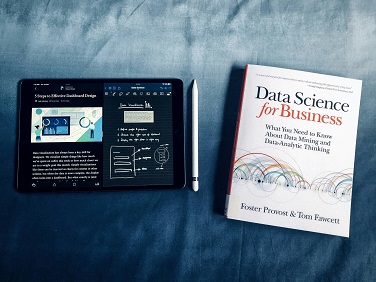

Introduction to Business Intelligence
Business Intelligence (BI) refers to the technological and analytical processes that aid organizations in the collection, analysis, and interpretation of business data. The primary purpose of BI is to facilitate enhanced decision-making by transforming data into actionable insights. This is achieved through a combination of software applications, data warehouse systems, and analytical tools designed to empower stakeholders to make informed decisions that contribute to the overall performance of the organization.
In modern enterprises, the significance of BI has expanded significantly as the volume of data continues to grow exponentially. Organizations leverage BI to integrate and analyze diverse data sets, which allows for a comprehensive view of operations, market trends, and consumer behavior. By synthesizing information from various sources, BI equips leaders with the insights required to identify opportunities for improvement and growth.
The analytical capabilities of business intelligence software enable users to generate reports, dashboards, and visualizations that highlight key performance indicators (KPIs) and other relevant metrics. This visual representation of data enhances understanding and facilitates quicker, data-driven decisions. Additionally, BI technologies have evolved to include advanced features such as predictive analytics and machine learning, which enable organizations to forecast trends and anticipate market shifts.
Furthermore, the integration of BI into an organization’s operations can lead to improved efficiency and cost savings. By identifying inefficiencies and bottlenecks in processes, businesses can optimize their resources to achieve better outcomes. Ultimately, the implementation of business intelligence systems not only enhances organizational performance but also fosters a culture of continuous improvement and innovation.
Key Components of Business Intelligence
Business Intelligence (BI) encompasses multiple components that collectively enhance organizational performance by transforming raw data into actionable insights. Four essential elements include data warehouses, data mining, reporting tools, and dashboards. Understanding these components is crucial for organizations aiming to leverage BI effectively.
A data warehouse serves as the backbone of BI. It is a central repository that consolidates data from various sources. By storing historical and current data, data warehouses facilitate efficient data analysis and enable organizations to track performance over time. This structured approach allows decision-makers to access relevant information readily, supporting informed strategic planning.
Data mining is another critical component, involving the extraction of patterns and trends from large datasets. Utilizing statistical models and algorithms, data mining uncovers invaluable insights that might be hidden within the data. By identifying correlations and anomalies, organizations can make predictions about future outcomes, tailoring their strategies to meet anticipated market demands.
Reporting tools play a vital role in transforming complex data analyses into understandable formats. These tools enable users to generate comprehensive reports that summarize key performance indicators (KPIs) and other relevant metrics. By presenting data visually through charts and graphs, reporting tools enhance decision-making capabilities, allowing stakeholders to grasp critical information quickly.
Finally, dashboards integrate various data visualizations, offering a real-time overview of an organization’s performance. Dashboards provide concise snapshots of the overall health of a business, empowering decision-makers to monitor progress and identify areas that require attention. By enabling the timely dissemination of information, dashboards foster an environment of responsive decision-making.
The Role of Data Analytics in Business Intelligence
Data analytics serves a pivotal role in the domain of business intelligence (BI), acting as the backbone that enables organizations to harness the power of data. By systematically analyzing data, organizations can transform raw information into meaningful insights that drive strategic decisions and improve overall performance. There are various types of data analytics that fulfill distinct functions within the BI framework.
Descriptive analytics is the starting point for any data analysis process. This type enables organizations to understand past performance by summarizing historical data into easily digestible insights. By employing techniques such as data visualization and reporting, descriptive analytics provides stakeholders with a clear understanding of trends and patterns, forming the basis for further analysis.
Following descriptive analytics is diagnostic analytics, which delves deeper into data to uncover the root causes of certain outcomes. This form of analysis answers the critical questions of “why” events occurred, enabling organizations to identify problems and develop remediation strategies. By leveraging historical data and analytics, firms can make informed adjustments to their strategies, enhancing operational efficiency.
Predictive analytics takes the process a step further by forecasting future events based on historical trends and patterns. By employing statistical algorithms and machine learning techniques, this type of analysis helps organizations anticipate market demands, customer behavior, and potential risks. As a result, organizations can make proactive decisions to mitigate risks and capitalize on opportunities.
Lastly, prescriptive analytics goes beyond predictions, suggesting specific actions that organizations should take based on analytical insights. This form of analytics utilizes algorithms and data modeling to recommend optimal decisions, thereby optimizing business processes and resource allocation. Together, these types of analytics form a comprehensive BI strategy that enables organizations to become data-driven, fostering enhanced performance and competitive advantage.
Enhancing Decision-Making Processes
Business Intelligence (BI) tools and technologies significantly contribute to enhancing the decision-making processes within organizations. By providing access to real-time data, BI empowers managers and decision-makers to gain insights that were previously difficult to attain. This immediate access to accurate information enables businesses to respond quickly to changes in the market, customer preferences, and operational conditions.
One of the primary benefits of BI is its capability for trend analysis. By leveraging historical data and identifying patterns, organizations can forecast future scenarios. For example, a retail company might analyze past sales data to predict upcoming seasonal trends. With such insights, managers can make informed inventory decisions, ensuring they are prepared for consumer demand. This level of foresight increases efficiency and reduces the risk of overstocking or stockouts, ultimately leading to improved financial performance.
Moreover, scenario planning is another critical aspect of enhancing decision-making through Business Intelligence. This involves using BI tools to simulate various business scenarios based on different variables. For instance, a company can model the potential impacts of changing prices on sales or profitability. By evaluating different scenarios, management can strategize effectively, weighing potential risks and benefits before making critical decisions.
Incorporating BI into decision-making frameworks allows organizations to align their strategies with data-driven insights. This alignment not only increases the accuracy of decisions made but also fosters a culture of accountability, where team members are encouraged to utilize data to support their recommendations. Overall, the integration of BI capabilities streamlines decision-making processes, enabling organizations to navigate complex business landscapes more adeptly.
Improving Operational Efficiency
Business Intelligence (BI) plays a crucial role in enhancing operational efficiency within organizations. By harnessing the power of data analytics, businesses can identify inefficiencies in their processes, streamline operations, and optimize resource allocation. The integration of BI tools allows organizations to transform raw data into actionable insights, driving significant improvements in their overall performance.
For instance, consider the case of a manufacturing company that implemented a BI solution to monitor its production line. By analyzing data in real-time, the company was able to pinpoint bottlenecks that were causing delays. Through this analysis, they identified that specific machinery required frequent maintenance, leading to unexpected downtime. Armed with this knowledge, the company scheduled maintenance more effectively, reducing downtime by 20% and significantly increasing overall productivity.
Another notable example is a retail chain that utilized BI to optimize inventory management. By analyzing sales data and customer trends, the retailer could forecast demand more accurately. This allowed them to reduce excess inventory, which not only lowered costs but also improved cash flow management. Furthermore, the improved inventory turnover enabled the retailer to respond more swiftly to market changes, enhancing customer satisfaction while minimizing waste.
In addition to identifying inefficiencies, BI aids organizations in streamlining workflows. For example, a logistics company utilized a BI platform to analyze delivery routes and times. Through data analysis, they discovered that certain routes were consistently delayed due to traffic patterns, leading to the adjustment of delivery schedules. This proactive approach not only improved delivery times by 15% but also enhanced the overall service quality, increasing customer retention rates.
These examples illustrate how the strategic use of Business Intelligence tools contributes to maximizing operational efficiency across various sectors. By enabling organizations to make data-driven decisions, BI not only optimizes processes but also empowers businesses to be more agile in today’s competitive landscape.
Boosting Customer Insights and Satisfaction
In today’s competitive landscape, organizations are increasingly recognizing the pivotal role of business intelligence (BI) in enhancing customer insights and satisfaction. By leveraging data analytics, businesses can gain a deeper understanding of customer behavior and preferences, which is crucial for tailoring their offerings and services to meet the evolving needs of their clientele.
One significant aspect of harnessing business intelligence is customer segmentation. This process involves categorizing customers into distinct groups based on shared characteristics, such as demographics, purchasing patterns, and preferences. By analyzing these segments, organizations can devise targeted marketing strategies that resonate with specific groups. This tailored approach not only improves the effectiveness of campaigns but also increases customer engagement, as consumers appreciate personalized communications that speak directly to their interests.
Another vital function of business intelligence is sentiment analysis, which allows organizations to gauge customer feelings and perceptions regarding their products or services. Through advanced data mining and text analysis techniques, businesses can monitor feedback from various sources, including social media, online reviews, and customer surveys. This real-time insight into customer sentiment enables companies to respond swiftly to negative feedback, address concerns proactively, and capitalize on positive sentiments, thus enhancing overall customer satisfaction.
Moreover, personalization is a powerful tool facilitated by business intelligence. By utilizing customer data and analytics, organizations can create customized experiences for their users. Whether it’s through personalized product recommendations, tailored marketing messages, or efficient customer service interactions, the ability to cater to individual preferences significantly enhances customer loyalty. This way, businesses can not only meet but also exceed customer expectations, fostering enduring relationships that contribute to sustained growth.
In conclusion, the integration of business intelligence into organizational strategies is essential for improving customer insights and satisfaction. Through effective customer segmentation, sentiment analysis, and personalization, businesses can better understand and meet the needs of their customers, ultimately leading to increased loyalty and enhanced performance.
Driving Financial Performance
In the contemporary business landscape, organizations are continuously seeking innovative methodologies to enhance financial performance. Business Intelligence (BI) serves as a pivotal tool in this quest, facilitating accurate forecasting, informed budgeting, and effective performance metrics. Through the implementation of BI, businesses can access a rich repository of data that aids in analyzing financial trends and predicting future outcomes with precision.
Accurate forecasting is essential for organizations aiming to prepare for potential financial fluctuations. By leveraging BI tools, businesses can analyze historical financial data and current market conditions, which leads to more reliable predictions regarding revenue streams and expenditures. This predictive capability allows organizations to proactively adjust strategies to mitigate risks, ensuring that they maintain stable financial health.
Moreover, budgeting processes benefit significantly from the insights provided by BI. Traditional budgeting often relies on outdated information and assumptions that may not reflect current market dynamics. BI mitigates this risk by delivering real-time data analytics, enabling managers to create more responsive and relevant budgets. Consequently, organizations can not only manage costs effectively but also identify opportunities for revenue maximization through strategic investments and resource allocation.
Furthermore, performance metrics generated by BI systems provide organizations with a comprehensive view of their financial performance. Key performance indicators (KPIs) allow businesses to measure their profitability and assess how well they are meeting financial goals. By continuously monitoring these metrics, organizations can make informed decisions that enhance operational efficiency and drive financial growth.
In essence, by integrating Business Intelligence into financial operations, organizations can optimize budgeting, enhance forecasting accuracy, and better manage costs, which ultimately leads to improved profitability and financial resilience in an ever-evolving market.
Challenges and Limitations of BI Implementation
Business Intelligence (BI) solutions can significantly enhance organizational performance; however, their implementation is fraught with challenges and limitations that may impede success. One of the foremost challenges organizations face is data quality. Inadequate data quality can lead to inaccurate analyses, resulting in misguided strategies and decisions. Organizations must invest in proper data cleansing and validation procedures to ensure that the information feeding into BI systems is reliable and accurate.
Another significant hurdle is the complexities associated with data integration. Most organizations operate with multiple systems and databases, which can create silos of information. Integrating these disparate data sources into a cohesive BI framework can be a technically demanding process. Organizations may need to employ advanced data integration tools and practices to harmonize their data landscape effectively. This phase often requires substantial time and resources, potentially delaying the overall BI implementation timeline.
User adoption presents another critical challenge. Even the most sophisticated BI tools can be rendered ineffective if end users do not embrace them. Employees may resist changes to established workflows or be overwhelmed by the functionalities offered by new BI systems. To mitigate this, organizations should prioritize comprehensive training programs, ensuring that staff members possess the necessary skills to utilize BI tools efficiently. Involving users in the selection and implementation processes can also foster a sense of ownership and ease the transition.
Finally, the costs associated with BI implementation can be daunting, particularly for small and medium-sized enterprises. Budget constraints may limit the extent of BI functionalities that can be utilized. Organizations should evaluate the long-term benefits of BI against the initial investment to determine the best approach.
Future Trends in Business Intelligence
As organizations strive to enhance their operational efficiency and decision-making capabilities, the field of business intelligence (BI) is experiencing transformative changes driven by various emerging trends. A prominent trend is the integration of artificial intelligence (AI) in analytics processes. AI-powered BI tools can process vast amounts of data at unprecedented speeds, uncovering patterns and insights that were previously inaccessible. This capability not only enhances the speed at which organizations can derive insights but also significantly improves accuracy in forecasting and decision-making.
Furthermore, real-time data processing is becoming increasingly vital in the realm of business intelligence. With the proliferation of IoT devices and real-time data streams, organizations are recognizing the necessity of immediate insights to make timely decisions. This shift enables companies to respond adeptly to market changes, customer behavior, and operational issues as they occur, rather than relying on historical data that may no longer be relevant. As a result, real-time analytics will likely become a standard expectation in BI solutions.
Another trend that is gaining traction is the heightened focus on data governance. As data becomes a core asset for organizations, ensuring its quality and security is paramount. Companies are implementing robust data governance frameworks to regulate data access, ensure compliance, and maintain data integrity. This increased emphasis not only safeguards sensitive information but also builds trust in the insights generated through business intelligence practices. With effective data governance, organizations can leverage their data more confidently, knowing that the insights are accurate and reliable.
In conclusion, the future of business intelligence is poised to be defined by AI-driven analytics, real-time data capabilities, and stringent data governance. As these trends evolve, they will fundamentally reshape how organizations leverage BI to enhance their performance and remain competitive in an increasingly data-driven world.