
Introduction to Manufacturing Innovations
In the contemporary landscape of manufacturing, the integration of technology innovations is not merely beneficial but essential for organizations striving to maintain their competitive edge. Manufacturers today face an array of challenges, including rising operational costs, fluctuating demand, and the increasing necessity for sustainability. These factors compel companies to explore and implement advanced technological solutions that can enhance efficiency, reduce waste, and improve overall productivity.
The rapid pace of technological advancements in areas such as automation, artificial intelligence, and the Internet of Things (IoT) is fundamentally transforming manufacturing processes. These innovations enable manufacturers to optimize their operations, facilitate real-time data analysis, and improve supply chain management. For instance, automation technologies can streamline production lines, while AI can predict machine failures before they occur. Such predictive maintenance capabilities are crucial as they minimize downtime, thereby safeguarding profit margins.
Moreover, advancements in 3D printing and additive manufacturing are revolutionizing the prototyping process, enabling rapid product development and customization. This flexibility allows manufacturers to respond more swiftly to market demands, tailoring products to specific consumer preferences with minimal lead times. The growing emphasis on sustainability is also pushing companies toward adopting green technologies that reduce carbon footprints and waste, further augmenting the importance of integrating these innovative practices.
These technological innovations are redefining not only the processes within manufacturing plants but also the overall strategic approach of organizations. Embracing these advancements is crucial for manufacturers looking to navigate the complexities of today’s industrial environment effectively. As we delve deeper into the specific technological advancements that are shaping the future of manufacturing, it is essential to recognize the significant role these innovations play in addressing urgent challenges faced by the industry.
The Rise of Automation and Robotics
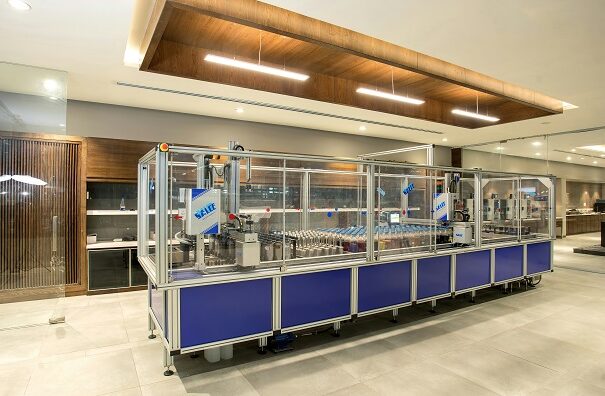
The landscape of manufacturing is undergoing a profound transformation with the rise of automation and robotics. These technological advancements are redefining production processes, enhancing operational efficiency, and driving down costs. Automation refers to the use of control systems for operating equipment in various applications, including manufacturing, while robotics involves the design and application of robots to perform tasks that traditionally required human intervention.
One notable impact of these technologies is the significant improvement in productivity. Automation systems, such as automated assembly lines, allow for faster production cycles, minimizing human error and ensuring consistent quality. In sectors such as automotive manufacturing, firms have adopted robotics to handle repetitive tasks such as welding, painting, and assembly, which has led to an impressive reduction in error rates and an increase in output. A prominent example is that of Tesla, where robotics play a crucial role in scaling up production capacity while maintaining high-quality standards.
Furthermore, the integration of robotics has not only improved productivity but also enhanced workplace safety. By delegating hazardous tasks to machines, manufacturers can mitigate workplace injuries, which is a significant consideration in environments where heavy machinery is utilized. Industries like electronics and food processing are capitalizing on this aspect of robotics, as automated machines handle dangerous tasks such as cutting, packaging, and palletizing, protecting human workers from potential risks.
Real-world case studies illustrate this transition; for instance, Fanuc, a leader in robotics, has enabled manufacturers to achieve higher precision in their operations while simultaneously reducing labor costs. Similarly, companies like Amazon have revolutionized warehousing and logistics by employing robotics for sorting and fulfilling orders. As industries continue to embrace automation and robotics, they lay the groundwork for more advanced manufacturing techniques, ultimately pushing the envelope on what is possible within various sectors.
Artificial Intelligence and Machine Learning
Artificial intelligence (AI) and machine learning (ML) are at the forefront of a technological revolution that is reshaping the manufacturing sector. These technologies offer advanced capabilities that enhance efficiency, productivity, and decision-making processes, fundamentally altering how manufacturing businesses operate.
One of the primary applications of AI in manufacturing is predictive maintenance. By harnessing vast amounts of data from machinery and production lines, AI models can predict equipment failures before they occur, significantly reducing downtime costs. According to a study by McKinsey, predictive maintenance can lead to cost savings of up to 25% by minimizing unplanned outages and extending the lifespan of machinery.
Moreover, machine learning algorithms are instrumental in quality control. By analyzing historical production data, these algorithms can identify patterns and anomalies that may signal defects in the product. This leads to enhanced quality assurance processes, as manufacturers can take corrective actions proactively rather than reactively, reducing the rate of defective products and enhancing customer satisfaction.
In terms of process optimization, AI and ML technologies streamline manufacturing workflows. By analyzing operational data in real-time, manufacturers can identify inefficiencies and adjust processes to maximize output. Research has shown that companies that implement AI-driven process optimization experience a productivity boost of around 20% on average, showcasing the potential of these technologies to transform traditional manufacturing methodologies.
In conclusion, the integration of artificial intelligence and machine learning into manufacturing represents a significant leap forward. The advancements in predictive maintenance, quality control, and process optimization not only enhance operational efficiencies but also position manufacturers to remain competitive in a rapidly evolving market. As the adoption of these technologies grows, the future of manufacturing is poised for innovation and transformation.
3D Printing and Additive Manufacturing
3D printing, also known as additive manufacturing, represents a significant shift in the manufacturing landscape. This innovative technology allows for the creation of three-dimensional objects layer by layer, directly from digital models. One of the most compelling advantages of additive manufacturing is its capacity for customized production. Unlike traditional manufacturing methods that often rely on mass production and mold-based processes, 3D printing can efficiently create bespoke items tailored to specific requirements. This capability is particularly valuable in industries such as healthcare, where personalized prosthetics and dental applications are becoming increasingly common.
Moreover, 3D printing substantially reduces waste materials, a critical concern in manufacturing. Traditional subtractive methods often result in significant material waste, as excess material is cut away from a solid block. In contrast, additive manufacturing utilizes materials only as needed to build each component, promoting a more sustainable approach. This methodology not only supports environmental considerations but also lowers costs associated with material procurement and waste disposal.
Design flexibility is another hallmark of 3D printing. The technology allows for complex geometries and intricate designs that would be challenging, if not impossible, to achieve with conventional manufacturing techniques. This flexibility opens new avenues for innovation. For instance, in the aerospace sector, 3D printing facilitates the production of lightweight components, improving fuel efficiency and performance. Similarly, the automotive industry benefits from rapid prototyping and the ability to test new designs without substantial investment in tooling.
Across various sectors, from construction to consumer goods, the applications of 3D printing continue to expand, showcasing its transformative impact. As companies increasingly adopt additive manufacturing, the future of production processes will likely be defined by improved customization, reduced waste, and enhanced design capabilities.
Internet of Things (IoT) in Manufacturing
The introduction of the Internet of Things (IoT) in the manufacturing sector has profoundly transformed the operational landscape. With the proliferation of connected devices, manufacturers can now harness real-time data collection and monitoring, allowing for a more responsive and agile manufacturing process. This shift towards a more connected environment offers several significant advantages.
One of the primary benefits of IoT in manufacturing is the enhancement of operational efficiency. With numerous devices and machines equipped with sensors, manufacturers can collect data on various parameters such as equipment performance, energy consumption, and production rates. This information can be analyzed to identify inefficiencies, allowing organizations to make targeted improvements. Furthermore, predictive maintenance enabled by IoT technology helps in anticipating equipment failures before they occur, thus minimizing downtime and reducing maintenance costs.
The real-time analytics provided by IoT systems empowers manufacturers to make informed decisions. By analyzing data trends and patterns, manufacturers can optimize their supply chain, manage inventory levels more effectively, and adjust production schedules in response to market demands. This capability not only enhances productivity but also enables a more adaptable production strategy, where manufacturers can quickly pivot their operations according to changing circumstances.
Moreover, IoT fosters improved communication between different parts of the manufacturing process. Connected devices facilitate seamless interaction, enabling data flow across machines, workers, and management systems. This level of integration can lead to more coordinated efforts in achieving production goals and addressing potential issues swiftly.
In conclusion, the Internet of Things continues to revolutionize the manufacturing industry by offering unprecedented opportunities for operational efficiency, informed decision-making, and enhanced communication. As manufacturers increasingly adopt IoT technologies, they position themselves to remain competitive in the ever-evolving marketplace.
Sustainable Technologies in Manufacturing
As industries evolve, the manufacturing sector increasingly embraces sustainable technologies that reduce environmental impact while enhancing operational efficiency. One key aspect of sustainability in manufacturing is the use of eco-friendly materials. Companies are now sourcing renewable and biodegradable materials to produce goods, which minimizes reliance on fossil resources and reduces waste. For instance, several automotive manufacturers are integrating natural fiber composites in their vehicles, thereby lowering their carbon footprints.
Moreover, waste reduction techniques play a pivotal role in promoting sustainability within manufacturing processes. Lean manufacturing principles, which focus on minimizing waste without sacrificing productivity, are being adopted by many firms. The implementation of circular economy practices encourages organizations to utilize waste as a resource, effectively transforming it into new products. A notable example is the apparel industry, where brands like H&M have initiated closed-loop recycling systems, allowing customers to return used clothes for recycling into new fabric.
Energy-efficient machinery is another transformative technology contributing to sustainability in manufacturing. Modern facilities are investing in automated systems and smart machinery equipped with advanced sensors that monitor energy usage in real-time. By optimizing energy consumption, these technologies not only reduce operational costs but also lessen greenhouse gas emissions. Companies like Siemens are at the forefront of implementing such intelligent technologies, reporting significant energy savings across their manufacturing operations. As more organizations recognize the importance of sustainable practices, the adoption of innovative technologies will continue to shape a greener manufacturing landscape.
Blockchain Technology in Supply Chains
Blockchain technology has emerged as a transformative force in manufacturing, particularly in the management of supply chains. By offering a decentralized and immutable ledger, blockchain enhances transparency, traceability, and security throughout various stages of the supply chain. This innovative approach mitigates many of the challenges that traditional supply chain systems face, such as fraud, inefficiencies, and inconsistencies.
One of the primary benefits of integrating blockchain into supply chains is its ability to provide real-time tracking of goods. Each transaction and movement of products can be logged onto the blockchain, creating a complete and transparent record. This characteristic significantly improves traceability, which allows manufacturers to quickly identify the origin of materials, track their movement, and verify the integrity of products, thereby enhancing compliance with industry regulations.
Furthermore, blockchain technology can substantially reduce instances of fraud within supply chains. By ensuring that all participants—manufacturers, suppliers, and customers—have access to the same distributed ledger, the risk of altering transaction data is minimized. This level of security fosters trust among supply chain partners, which is critical for collaborative efforts.
Additionally, blockchain can optimize logistics by automating processes such as payment and contract enforcement through smart contracts. These contracts are self-executing agreements coded into the blockchain that automatically perform actions when predetermined conditions are met, streamlining operations and reducing delays commonly associated with manual processes.
In summary, the integration of blockchain technology into manufacturing supply chains presents significant opportunities for improved transparency, heightened security, and increased operational efficiency. By addressing long-standing issues and facilitating better compliance with regulations, blockchain has the potential to revolutionize the manufacturing landscape.
Challenges in Adopting New Technologies
The manufacturing sector is undergoing a significant transformation due to technological innovations. However, the adoption of these new technologies is often met with several challenges. One primary barrier is the high initial cost associated with implementing advanced manufacturing technologies. Upgrading machinery, integrating automation systems, and adopting smart technologies can incur substantial capital expenditures, which many manufacturers may find prohibitive.
Additionally, the existing workforce may require considerable training to adapt to new systems and technologies. This need for upskilling can be daunting for companies, particularly those with limited resources. Training initiatives may necessitate time away from production, which can result in lost revenue during transitions. Therefore, investing in continuous education and training programs becomes essential to ensure employees are competent in operating new machinery and leveraging advanced manufacturing tools effectively.
Another challenge faced by manufacturers in integrating innovative technologies is the inherent resistance to change within the organizational culture. Employees may be accustomed to traditional methods of working, which can create apprehension towards adopting new processes. Overcoming this resistance involves fostering a culture that embraces innovation and change management. Leaders should proactively engage their staff by communicating the benefits of new technologies, providing support during transitions, and creating an inclusive environment where feedback is valued.
Strategies to address these challenges may involve implementing pilot programs that allow for gradual integration of new technologies, thereby mitigating financial impacts while also enabling the workforce to adapt at a manageable pace. Additionally, collaboration with technology providers can yield tailored solutions that meet specific manufacturing needs, further easing the transition. By recognizing and addressing these barriers, manufacturers can better position themselves to harness the benefits of technological advancements.
The Future of Manufacturing: Trends and Predictions
The landscape of manufacturing is rapidly evolving, influenced by technological advancements that promise to reshape the sector in the coming years. One of the most impactful trends on the horizon is the implementation of digital twins, which create virtual replicas of physical assets or systems. This allows manufacturers to simulate processes in real-time, thereby optimizing operations, predicting failures, and enhancing product development. As industries adopt this technology, we can expect improved efficiency and reduced costs.
Advanced analytics is another emerging trend poised to transform the manufacturing sector. By leveraging vast amounts of data collected from machinery and production processes, manufacturers can gain actionable insights that drive strategic decision-making. Predictive maintenance, driven by advanced analytics, offers significant benefits by preventing costly downtimes through timely interventions. The significance of data-driven manufacturing cannot be overstated; as we proceed into the next decade, organizations that harness these analytics will lead the industry.
Automation continues to revolutionize manufacturing as well, transitioning from traditional methods to more sophisticated systems that integrate robotics and artificial intelligence. The rise of collaborative robots, or cobots, is especially noteworthy, as they work alongside human operators while enhancing productivity and safety. As automation technologies evolve, their integration into manufacturing processes will become more seamless, allowing for greater flexibility and customization in production.
Looking ahead, the future of manufacturing will likely be defined by its ability to adapt to these trends. As environmental concerns and sustainability become increasingly paramount, eco-friendly manufacturing practices will also rise to the forefront. Organizations will need to balance innovation with responsibility, setting the stage for a dynamic future where technology not only fuels productivity but also promotes sustainable practices in manufacturing.
In conclusion, the future of manufacturing is destined for change, driven by digital twins, advanced analytics, and continuous advancements in automation. By embracing these technologies, manufacturers can expect to enhance their operational efficiencies, unlock new potentials for innovation, and navigate the complexities of the future marketplace with confidence.