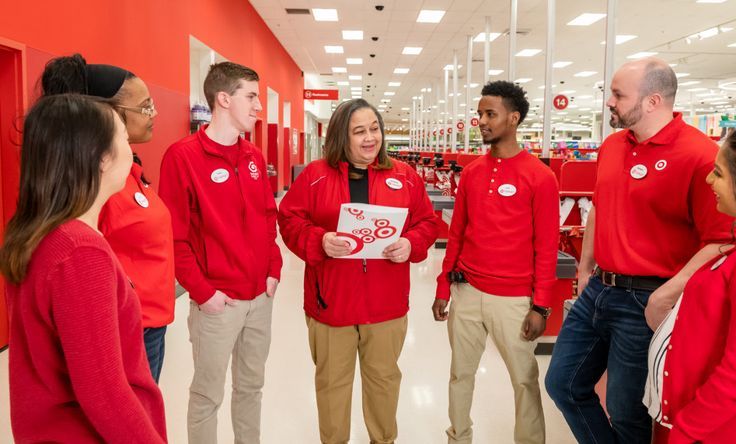

Approximately 72% of retail and hospitality managers report that logistics delays and uniform shortages are the leading stressors during peak hiring seasons. When new staff members arrive for their first day of work without the proper gear, it signals a lack of organization and immediate friction in the onboarding process. Securing bulk employee outfitting services well in advance prevents these operational bottlenecks, ensuring that every seasonal hire is equipped with professional, high-quality gear from the moment they clock in. This article explores the precise timelines and manufacturing variables required to master your corporate apparel procurement.
Main Takeaways
Successful seasonal outfitting requires a minimum lead time of 12 to 16 weeks to account for fabric sourcing and customization. Early procurement allows brands to lock in lower manufacturing rates and avoid the seasonal inflation typical of Q4. Physical sampling is non-negotiable for ensuring fit and logo accuracy before committing to high-volume production runs. Utilizing historical data to project size distributions reduces the risk of deadstock or shortages during the hiring peak.
Understanding the Lead Time Factor
Lead time in apparel manufacturing refers to the total duration from the moment a purchase order is signed to the day the finished garments arrive at your facility. In the context of corporate uniform programs, this isn’t just about sewing fabric together; it involves a complex chain of approvals and logistics. If you are ordering custom branded workwear, you must account for the time it takes to source raw materials, dye fabrics to specific Pantone colors, and execute secondary processes like embroidery or screen printing.
Customization Requirements and Production Speed
The complexity of your branding dictates your timeline. Simple screen printing on pre-existing blanks might take three weeks, but high-density embroidery or complex heat-press applications on specialized performance fabrics require significantly more machine time. Manufacturers often run on a first-in, first-out basis, meaning if you submit your order during the “seasonal rush” in October, you are competing with thousands of other brands for limited machine hours.
Global Supply Chain Variables
Fabric sourcing remains the most volatile element of the production cycle. While a custom clothing manufacturer may have local facilities, the raw yarn or specialized technical fabrics often travel through international ports. Congestion at major shipping hubs or shortages in specific synthetic fibers can add weeks to your delivery date. Planning for these variables is the difference between a successful launch and a logistics nightmare.
The Recommended Procurement Timeline
The gold standard for wholesale employee apparel procurement is starting the process four months before the first hire is scheduled to start. This window provides a necessary buffer for shipping delays, quality control checks, and the inevitable last-minute adjustments that come with bulk work uniforms. If your industry relies on massive seasonal influxes, such as summer tourism or winter holiday retail, your calendar should be marked nearly half a year in advance.
Summer and Winter Hiring Cycles
For summer hires starting in May or June, the sourcing phase must begin in January. This allows the manufacturer to finalize designs before the post-holiday production surge. Conversely, for winter holiday hires starting in November, the process should be initiated in July. Starting in the heat of summer for winter gear ensures that heavy-duty fabrics like fleece or insulated twill are secured before the global demand for cold-weather gear peaks.
Spring and Event-Based Requirements
Event-based hiring, such as for trade shows or spring festivals, requires a minimum 12-week lead time. While these engagements are shorter, the visibility of the staff is often higher, making the quality of company clothing solutions even more critical. Because spring production often overlaps with Lunar New Year shutdowns in many textile-producing regions, starting early is the only way to guarantee delivery.
Phase One Needs Assessment
Four months before your start date, your focus must be on data and functional requirements. You cannot place an effective order without understanding the environment your employees will inhabit. Are they working in high-heat kitchens, refrigerated warehouses, or customer-facing retail environments? Each scenario requires a different fabric weight and composition, often measured in Grams per Square Meter (GSM).
Determining Headcount and Size Distribution
Avoid the pitfall of ordering an equal number of Small, Medium, Large, and XL garments. Professional outfitting relies on bell-curve size distribution models. Analysis of historical hiring data usually shows a higher concentration of Medium and Large sizes, with a tapering off at the extremes. Getting this ratio right early prevents you from having a surplus of unusable sizes while your larger or smaller employees are left without uniforms.
Functional and Durability Requirements
Durability is a technical specification, not a feeling. For branded team outfitting, you need to decide if you require moisture-wicking synthetics, antimicrobial coatings, or heavy-duty cotton ducks. A high-quality custom clothing manufacturer will provide data on pilling resistance and colorfastness. If your workers are outdoors, UV protection and breathability become the primary drivers for fabric selection.
Phase Two Vendor Selection and Sampling
Three months before onboarding, you should be moving into the physical phase of procurement. This is where you compare corporate apparel fulfillment partners. Price is important, but it should not be the only metric. Reliability, communication, and the quality of their previous work are far more indicative of a successful partnership than the lowest bid.
Reviewing Physical Samples
Never approve a bulk order based on a digital mockup alone. Colors on a screen do not always translate perfectly to fabric dyes. Requesting physical samples allows you to test the “hand feel” of the fabric, check the tension of the embroidery, and verify the fit. A sample that shrinks 10% after one wash is a red flag that could save you thousands of dollars if caught before the full production run begins.
Approving Branding and Logos
Logo placement is a precision task. During the sampling phase, you must verify that the branding is consistent across different garment sizes. A logo that looks perfectly scaled on a size Small might look lost on a 3XL. Professional manufacturers will adjust the scale of the decoration to ensure brand consistency across the entire size run.
Phase Three Finalizing the Order
With two months remaining, it is time to lock in the production slot. This is the point of no return where the raw materials are cut and the customization begins. At this stage, your sizing data should be as accurate as possible, incorporating any early-hire data or feedback from returning seasonal staff.
Accounting for Shipping and Customs
If you are working with a manufacturer that utilizes overseas facilities, the transit time can range from 5 to 30 days depending on whether you choose air or sea freight. While air freight is faster, it significantly increases the per-unit cost. Planning ahead allows you to use ocean freight, which is the most cost-effective method for high-volume bulk orders.
Fabric Performance Summary
The following table provides a quick reference for the most common fabrics used in seasonal outfitting. Use this as a guide when deciding which material best suits your specific working environment and budget constraints.
| Fabric Type | Durability | Breathability | Cost Scale | Best For |
| 100% Ring-Spun Cotton | Moderate; prone to some shrinkage | High; natural fiber comfort | $$ | Indoor retail, casual corporate wear |
| Polyester/Cotton Blend | High; resists wrinkles and fading | Moderate; traps some heat | $ | High-activity service, heavy-duty work |
| Tri-Blend (Poly/Cotton/Rayon) | Low; emphasizes softness | High; very lightweight | $$$ | Premium events, lifestyle branding |
| Performance Polyester | High; moisture-wicking and tough | Very High; engineered for airflow | $$$ | Outdoor labor, athletics, high-heat |
| Heavyweight Cotton Twill | Very High; tear resistant | Low; heavy and protective | $$ | Construction, logistics, safety gear |
The Risks of Delayed Procurement
Waiting until the last minute to secure your outfitting services creates a cascade of negative effects. The most immediate impact is financial; expedited shipping and rush production fees can easily double your initial budget. However, the hidden costs are often more damaging to the brand in the long term.
Inventory Substitutions and Quality Lapses
When you order late, you are at the mercy of whatever stock is currently available. This often leads to “suboptimal substitutions,” where you might have to accept a slightly different shade of blue or a lower-quality fabric just to get the items in time. These inconsistencies erode the brand image you have worked hard to build. Furthermore, rushed production increases the likelihood of errors in logo placement or garment stitching.
Impact on Employee Morale
The “missing uniform” problem is a significant hurdle for new hires. A seasonal employee who has to work their first week in their own clothes while everyone else is in uniform feels like an outsider. It diminishes their sense of belonging and can lead to lower retention rates in an already competitive labor market. Providing a complete kit on Day 1 is an essential part of the employee value proposition.
Strategies for Accurate Outfitting
To move beyond guesswork, implement data-driven strategies. Many large organizations now use online ordering portals where employees can enter their own sizes weeks before they arrive on site. This decentralizes the data collection process and places the responsibility for fit on the individual, reducing the number of exchanges required later.
Building a Buffer Stock
Even the most accurate projections will have outliers. Smart managers always order a 10% “buffer stock” across the most common sizes. This inventory serves as insurance against unexpected hires, mid-season replacements for damaged gear, or simple human error in sizing. The cost of carrying a small amount of extra inventory is far lower than the cost of placing a small, emergency rush order in the middle of a busy season.
Financial Benefits of Early Procurement
Beyond the logistical peace of mind, early planning is a financial strategy. Most custom clothing manufacturers offer tiered pricing based on lead time. By giving the factory more time to fit your order into their schedule, you are helping them optimize their labor, and they pass those savings on to you. Furthermore, locking in a contract early protects you from the price fluctuations of raw cotton and polyester that occur throughout the year.
Recap
Securing seasonal outfitting is a strategic operation that requires early intervention. Starting the process 4 months out ensures you have the time to sample fabrics, verify branding, and choose the most cost-effective shipping methods. By prioritizing the procurement timeline, you protect your brand’s visual identity, save on operational costs, and provide a superior experience for your seasonal workforce.
FAQs About Bulk Employee Outfitting Services
What is the most durable fabric for outdoor seasonal work?
For outdoor labor, a polyester-cotton blend or a high-GSM performance polyester is usually the best choice. These materials are engineered to resist UV fading and withstand the friction of physical labor while maintaining their shape through frequent industrial laundering.
How can I reduce the cost of my bulk uniform order?
The most effective way to reduce costs is to increase your lead time. This allows you to avoid rush fees and utilize ocean freight rather than air shipping. Additionally, ordering in higher volumes usually unlocks significant per-unit discounts from the manufacturer.
Can MFG Merch help me select the right fabric for my brand?
Yes, MFG Merch provides professional consultation on fabric selection based on your specific industry requirements. Their team analyzes your environment, branding goals, and budget to recommend materials that offer the best balance of comfort and long-term durability. You can contact them at (904) 677 9505 or visit their office at 240 Talleyrand Ave, Jacksonville, FL 32202.
What is the minimum lead time for a custom order?
While some simple orders can be completed in 4 to 6 weeks, a safe minimum lead time for custom seasonal outfitting is 12 weeks. This accounts for the entire cycle of sampling, production, and standard shipping without incurring expedited costs.
Where is MFG Merch located and what’s their phone number?
MFG Merch is located at 240 Talleyrand Ave, Jacksonville, FL 32202, United States. You can reach them at (904) 677-9505.
What services does MFG Merch offer as a custom apparel manufacturer?
MFG Merch provides high-quality custom clothing manufacturing, including technical consultations on fabric weights, compositions, and printing methods, plus full support for custom apparel production and branding. For full details on their capabilities and to get started, visit https://mfgmerch.com/.