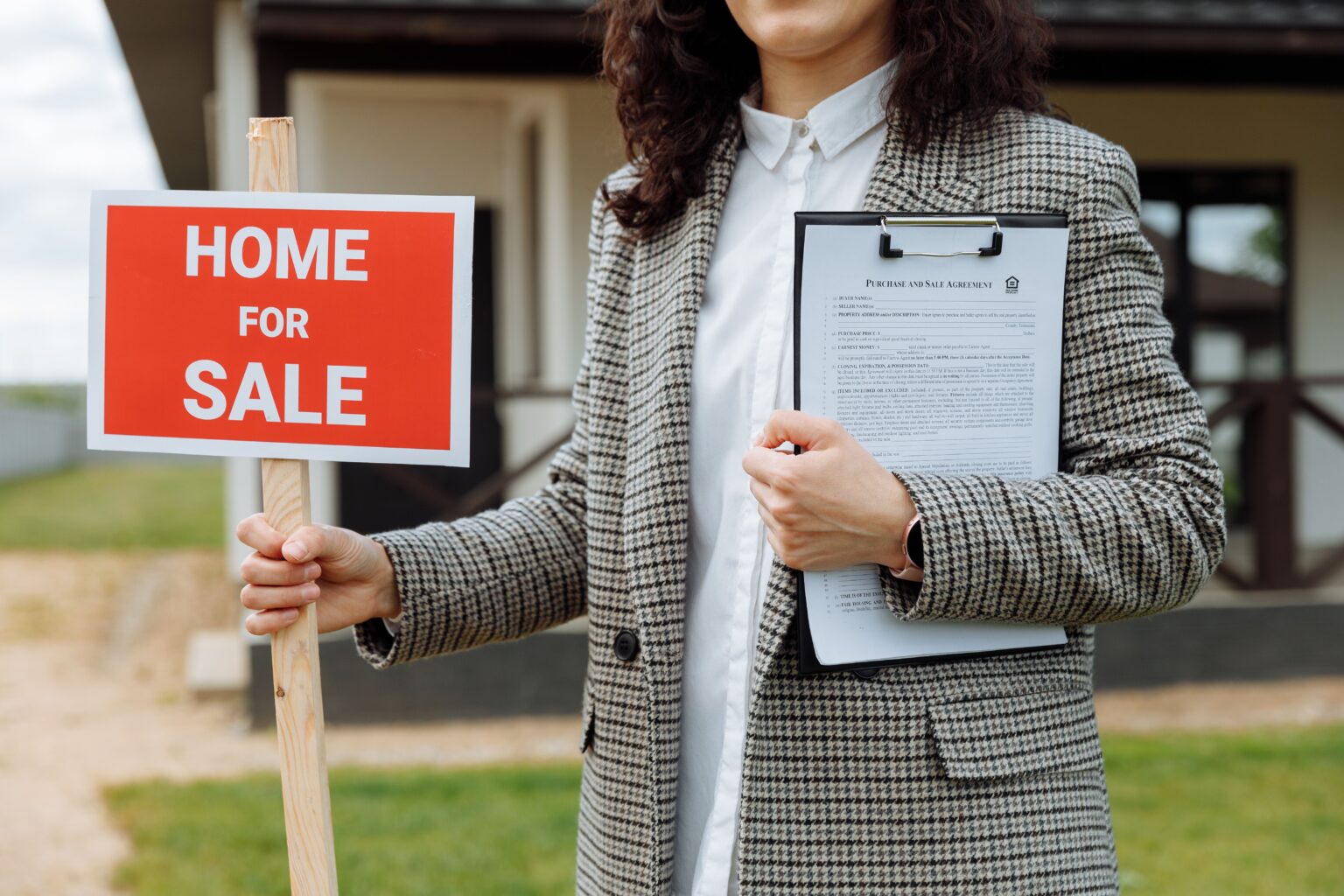

Selling a property is one of the biggest financial decisions most homeowners will make. While the property itself plays an important role, the estate agent you choose can significantly influence how smoothly the process runs, how many buyers you attract and ultimately the price achieved.
Choosing an estate agent should not simply come down to who offers the highest valuation or the lowest fee. A successful sale requires a combination of accurate pricing, effective marketing, strong negotiation and consistent communication.
For homeowners considering their options, working with an established local agent such as Hunters Southampton can provide valuable insight into buyer demand, local property market trends in southampton and the practical steps involved in achieving a successful sale.
However, every seller should compare agents carefully before making a decision. The right choice depends on much more than brand recognition.
1. Why choosing the right estate agent matters
An estate agent is not just responsible for placing your property on a website and waiting for enquiries.
A good agent acts as a strategic partner throughout the sales journey.
They should help you:
- Understand the current market
- Position your property correctly
- Attract suitable buyers
- Arrange effective viewings
- Negotiate offers
- Progress the transaction towards completion
A poorly managed sale can result in unnecessary delays, reduced buyer interest and missed opportunities.
The cheapest agent may not always provide the strongest outcome, while the agent promising the highest valuation may not necessarily achieve it.
The key question is:
Which estate agent gives your property the best chance of achieving a successful sale at the right price?
2. Look at local market knowledge
Local expertise is one of the most valuable qualities an estate agent can offer.
Property markets are not uniform. Demand can vary significantly between neighbouring towns, streets and even individual developments.
A strong local agent should understand:
- Typical buyer profiles
- Popular property features
- Local schools and amenities
- Transport links
- Recent comparable sales
- Seasonal demand patterns
- Competition from similar listings
An agent who understands the local market can provide more accurate advice on presentation, pricing and buyer expectations.
For sellers, reviewing property market insights in Southampton alongside comparable properties can help establish whether an agent’s advice reflects current conditions rather than simply optimistic assumptions.
3. Compare estate agent valuations carefully
One of the most common mistakes sellers make is choosing an agent purely because they provide the highest valuation.
A higher valuation can sound attractive, but an unrealistic asking price may reduce buyer interest.
Overpricing can lead to:
- Fewer enquiries
- Fewer viewings
- Longer time on the market
- Future price reductions
- Buyers questioning why the property has not sold
When comparing valuations, ask the agent:
- What comparable properties support this figure?
- Which recent sales have influenced the valuation?
- How does my property compare with similar homes currently available?
- What is the expected timeframe for achieving this price?
A trustworthy agent should be able to explain their valuation clearly.
A realistic valuation supported by evidence is often more valuable than an ambitious figure designed simply to win instructions.
4. Review their marketing strategy
Modern property marketing extends far beyond a simple online listing.
Before choosing an estate agent, examine how they present properties.
A strong marketing strategy may include:
- Professional photography
- Detailed floor plans
- Video tours
- Virtual viewings
- Social media promotion
- Email campaigns
- Local advertising
- Premium portal exposure
Photography is particularly important because most buyers begin their search online.
Poor images can reduce clicks and discourage potential buyers before they ever arrange a viewing.
Look at current listings from each agent and consider:
- Are photographs bright and professional?
- Are descriptions engaging?
- Are important features highlighted?
- Does the listing create a strong first impression?
Your property deserves marketing that reflects its value.
5. Assess their communication style
Selling a home involves many moving parts, and communication can make a significant difference.
Before instructing an agent, consider how responsive and transparent they are.
Ask:
- How often will I receive updates?
- Who will be my main point of contact?
- How quickly do you respond to enquiries?
- How do you provide viewing feedback?
- How do you handle issues during the sale?
A good agent should keep you informed without requiring constant chasing.
Poor communication can create uncertainty, particularly after an offer has been accepted and the transaction enters the conveyancing stage.
6. Examine their track record
Past performance can provide useful insight, but it should be reviewed carefully.
Rather than simply looking at the number of properties an agent has sold, consider whether they have experience selling homes similar to yours.
Look at:
- Similar property types
- Similar price ranges
- Local experience
- Average time on market
- Success in achieving agreed sales
An agent experienced with apartments may not have the same approach as one specialising in family homes. Likewise, an agent experienced with luxury properties may approach marketing differently from one focused on first-time buyer properties.
Relevant experience matters.
7. Understand fees and contract terms
Estate agent fees should always be considered, but they should not be the only deciding factor.
Different agencies may offer:
- Percentage-based commissions
- Fixed fees
- Sole agency agreements
- Multi-agency agreements
- Online-only packages
Before signing anything, understand:
- The total cost
- Contract length
- Notice periods
- Marketing fees
- Additional charges
- When payment becomes due
A lower fee may appear attractive, but a limited marketing package or weaker service could affect the final outcome.
The aim should be achieving the best overall return, not simply paying the lowest upfront cost.
8. Check the quality of property listings
One of the easiest ways to compare estate agents is by reviewing their existing listings.
Imagine your property being marketed in the same way.
Ask yourself:
- Does the listing look professional?
- Are descriptions detailed and persuasive?
- Are photographs high quality?
- Are floor plans clear?
- Is the property positioned effectively?
A property listing is often the first interaction a buyer has with your home.
Strong presentation can influence whether someone books a viewing or scrolls past.
9. Consider buyer reach and database strength
An estate agent’s ability to reach potential buyers is important.
A good marketing strategy should combine public exposure with direct buyer engagement.
Ask whether the agent has:
- An active database of registered buyers
- Local market presence
- Strong online visibility
- Regular buyer communication
- Experience generating viewing demand
Sometimes the ideal buyer is already known to the agent before a property is publicly marketed.
A strong buyer database can help create early interest.
10. Evaluate negotiation skills
Receiving an offer is only part of the process.
The quality of negotiation can influence the final result.
A skilled negotiator will consider:
- The buyer’s motivation
- Their financial position
- Their ability to proceed
- Market demand
- Competing interest
They should not simply pass an offer from buyer to seller.
Effective negotiation involves understanding the circumstances behind the offer and helping both parties reach a successful agreement.
A difference of even a few thousand pounds can have a meaningful impact on the final outcome.
11. Read reviews and testimonials properly
Online reviews can provide useful information, but they should be interpreted carefully.
Look beyond the overall rating.
Consider:
- Are reviews recent?
- Do sellers mention communication?
- Are negotiation skills highlighted?
- Are there repeated complaints?
- Does the feedback appear consistent?
A handful of reviews may not represent an entire business, but repeated themes can reveal patterns.
Reviews should support your decision, not replace your own research.
12. Ask the right questions before instructing an agent
Before making a final choice, arrange conversations with potential agents.
Useful questions include:
- How would you market my property?
- What valuation do you recommend and why?
- Which comparable properties support your advice?
- Who will handle my sale?
- How do you qualify buyers?
- How often will you provide updates?
- What makes your agency different?
- What challenges do you anticipate with my property?
- What is your strategy if the property does not immediately sell?
- How do you manage sales progression?
The answers can reveal whether the agent has a structured approach or simply wants to secure the instruction.
13. Choose value rather than simply the cheapest option
The best estate agent is not necessarily the cheapest or the most expensive.
The right choice balances:
- Experience
- Marketing quality
- Communication
- Negotiation ability
- Local knowledge
- Service level
A small difference in commission may be insignificant compared with achieving a stronger sale price or avoiding months of delays.
Think about the entire journey, not just the initial fee.
14. Final checklist for comparing estate agents
Before choosing an estate agent, consider:
Local expertise
☐ Do they understand your area?
☐ Can they explain current buyer demand?
☐ Do they provide evidence for their advice?
Marketing
☐ Are their listings professionally presented?
☐ Do they use strong photography and digital marketing?
☐ Will your property receive sufficient exposure?
Communication
☐ Are they responsive?
☐ Do they explain the process clearly?
☐ Will they provide regular updates?
Sales ability
☐ Do they have relevant experience?
☐ Are they skilled negotiators?
☐ Do they actively progress sales?
Costs
☐ Are fees transparent?
☐ Do you understand contract terms?
☐ Does the service represent good value?
Final thoughts
Choosing an estate agent is an important decision that can influence both the speed and success of your property sale.
The strongest agents combine accurate valuations, effective marketing, local expertise and proactive communication. They understand that selling a home is not just about generating enquiries. It is about attracting the right buyers, negotiating effectively and guiding the transaction through to completion.
Take time to compare agents properly. Review their marketing, question their strategy and assess whether they genuinely understand your property and your local market.
The right estate agent should not simply promise a sale. They should demonstrate a clear plan for achieving one.