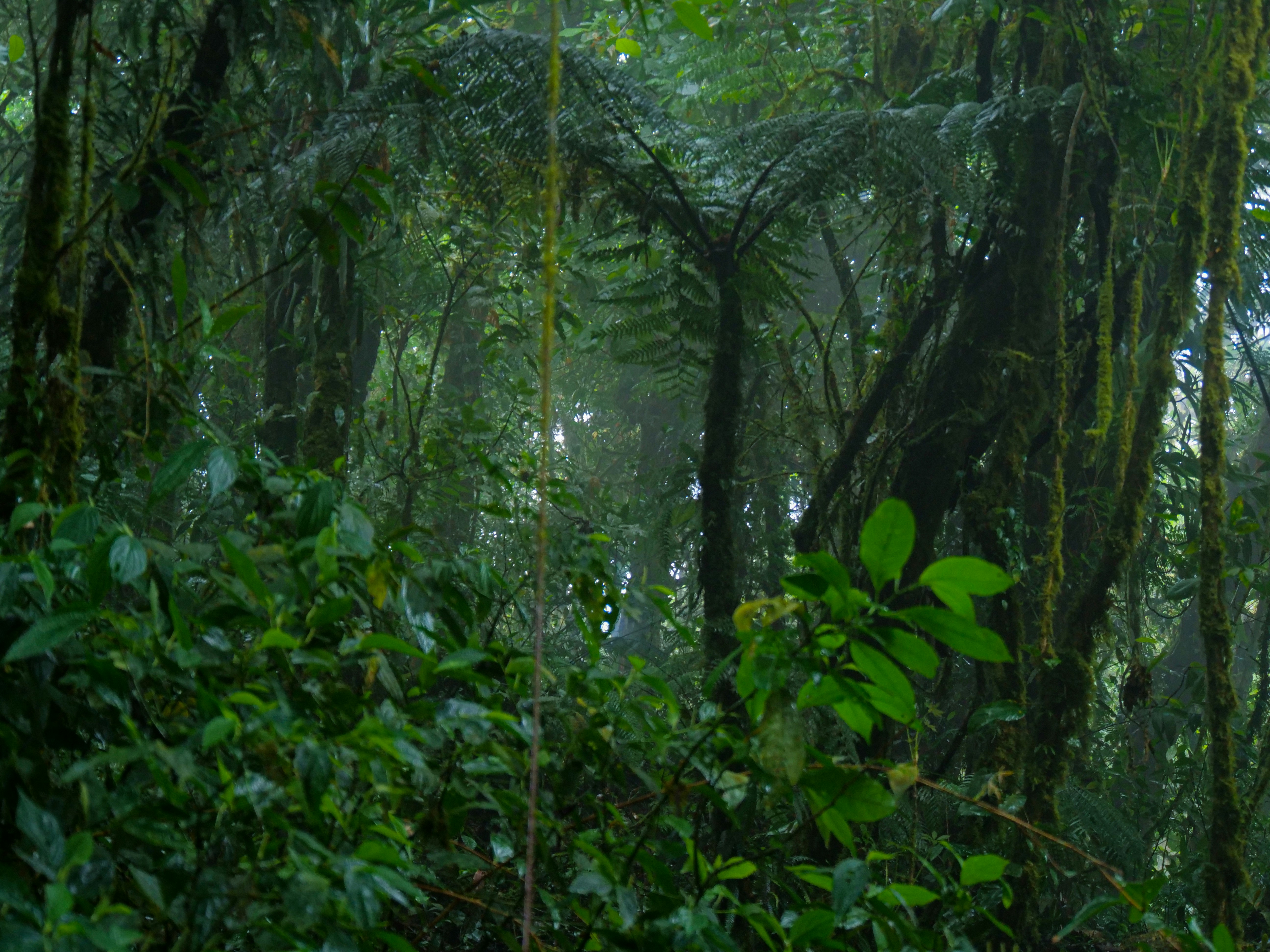

The Biodiversity Hotspot
Rainforests are renowned for their extraordinary biodiversity, boasting an incredible array of plant and animal species. Despite occupying merely 6% of the Earth’s surface, these lush ecosystems are home to over half of the planet’s terrestrial organisms. This substantial concentration of biodiversity can be attributed to the unique climatic conditions and complex structures found within rainforests, which create various niches that support diverse forms of life.
The plant life in rainforests is particularly remarkable. It includes towering trees, epiphytes, vines, and dense undergrowth. These plants not only provide shelter and food for countless animal species but also play a crucial role in carbon sequestration, impacting global climate regulation. Among the many tree species, some grow over 200 feet tall, forming a canopy that houses an intricate web of life. Below this canopy lies the understory, a shaded environment filled with smaller plants that thrive in lower light conditions, further diversifying the ecosystem.
In terms of fauna, rainforests are a treasure trove of wildlife. They are home to a plethora of species, including mammals, birds, reptiles, and insects, many of which are endemic to these regions, meaning they are found nowhere else on Earth. For example, the jaguar, sloths, and a variety of colorful frogs inhabit these forests, each playing a pivotal role in the ecological balance. The presence of such a vast number of species also showcases the interdependence of life forms; many species rely on others for food, pollination, and habitat creation, fostering a rich tapestry of life.
Moreover, the genetic diversity within rainforest ecosystems is invaluable. This genetic reservoir holds potential benefits for agriculture, medicine, and conservation efforts, offering insights into sustainable practices and the development of new products. However, the delicate balance of these ecosystems is increasingly threatened by deforestation, climate change, and habitat destruction, emphasizing the need for conservation efforts to preserve the extraordinary biodiversity found in rainforests.
The Role of Rainforests in Climate Regulation
Rainforests serve a pivotal role in maintaining global climate stability through their unique processes of carbon absorption and oxygen production. One of the most significant contributions of these lush ecosystems is their ability to sequester substantial amounts of carbon dioxide, one of the primary greenhouse gases. Through photosynthesis, rainforest trees and vegetation absorb carbon dioxide from the atmosphere and, in turn, release oxygen. This process not only helps mitigate climate change by reducing the concentration of greenhouse gases but also supports all forms of life that depend on oxygen for survival.
Moreover, rainforests influence local and global weather patterns significantly. Their dense foliage plays a crucial part in the water cycle as they facilitate the process of transpiration. As leaves absorb water from the soil, they release it back into the atmosphere, contributing to cloud formation and precipitation. This mechanism not only sustains the diverse ecosystems within the rainforest but also affects weather patterns beyond their geographical boundaries. For instance, rainfall patterns in neighboring regions can be significantly impacted by the moisture that originates from rainforests.
Furthermore, the preservation of rainforest ecosystems is vital for maintaining biodiversity and ecological balance. The complex interactions within these habitats ensure that various species thrive and contribute to ecological processes like pollination and seed dispersal, which are essential for plant reproductive health. The intricate web of life in rainforests ultimately supports agricultural systems and contributes to food security. Hence, protecting rainforests is not merely about conserving a unique set of flora and fauna; it is critically about safeguarding our planet’s climate and the livelihoods of millions of individuals who depend on these ecosystems.
Striking Adaptations of Rainforest Creatures
The rainforest, with its dense foliage and complex ecosystems, presents numerous challenges to its inhabitants. To thrive in such an environment, many animals have evolved remarkable adaptations that enhance their survival. Among these adaptations are camouflage, specialized diets, and unique reproductive strategies.
Camouflage is a vital adaptation for numerous species found in rainforests. The rich tapestry of colors and patterns in the rainforest allows many creatures, such as leaf-cutting ants and tree frogs, to blend seamlessly into their surroundings. This form of concealment not only helps them avoid predators but also aids in hunting prey. For example, the stick insect can mimic twigs and leaves, while the vibrant colors of poison dart frogs serve a dual purpose: attraction and warning. Such strategies highlight the intricate balance of predator and prey dynamics within these environments.
In addition to camouflage, specialized diets play a crucial role in the survival of rainforest animals. Some species have adapted to consume specific types of food that may not be available to others. For instance, the red-eyed tree frog primarily feeds on insects, which it captures with its long, sticky tongue. On the other hand, sloths have evolved to digest a diet mainly composed of leaves, which are abundant but nutritionally poor. This specialization often correlates with the availability of food sources in their ecosystems, reflecting the interconnectedness of rainforest organisms.
Reproductive strategies within rainforest species are equally fascinating. Many animals engage in elaborate courtship displays to attract mates. For example, the bowerbird constructs intricate structures decorated with various items to impress potential partners. Additionally, some species, such as certain frogs, breed in specific conditions that ensure a higher likelihood of offspring survival. These behaviors showcase the adaptability and resilience of rainforest creatures, allowing them to maximize their reproductive success in a highly competitive environment.
In conclusion, the adaptations of rainforest creatures are diverse and complex, reflecting the unique challenges posed by their environment. Through camouflage, specialized diets, and innovative reproductive strategies, these animals exemplify the remarkable ability of nature to evolve and thrive in demanding conditions.
The Layers of the Rainforest
Rainforests are complex and diverse ecosystems that are characterized by their distinct layers, each hosting unique life forms and contributing to the overall health of the environment. The primary layers of a rainforest are the forest floor, understory, canopy, and emergent layer, each playing a crucial role in the ecological balance.
The forest floor is the lowest layer, where sunlight is scarce, limiting plant growth primarily to shade-tolerant species. This layer is rich in organic matter, with decomposing leaves and plants providing nutrients for the soil. A variety of organisms, including insects, fungi, and mammals such as jaguars and tapirs, thrive here. The decomposers are vital, as they break down organic material, returning nutrients to the ecosystem and supporting the food web.
Above the forest floor lies the understory layer, where smaller trees and shrubs grow, adapted to low light conditions. This layer serves as a habitat for many species, including snakes, birds, and various insects. The understory is crucial for maintaining biodiversity, as it provides shelter and food sources for numerous organisms. Here, pollination and seed dispersal occur, creating a dynamic environment where many life forms interact.
As we ascend to the canopy layer, we find an explosion of life. The canopy acts as the primary layer of photosynthesis in the rainforest, receiving the most sunlight. Many animals, including monkeys, sloths, and a myriad of birds, reside here, utilizing the branches for perching and nesting. This layer forms a critical habitat, facilitating the interactions among species and playing a vital role in carbon absorption.
Finally, the emergent layer consists of the tallest trees that break through the canopy, accessing sunlight that fuels their growth. This layer is home to eagles and bat species that rely on the height for hunting and nesting. The interdependence among layers ensures that energy is transferred through the ecosystem, highlighting the importance of each layer’s role in sustaining rainforests around the globe.
Indigenous Peoples and Rainforests
The rainforests of the world are not only vital ecosystems but also home to many indigenous peoples whose cultures and lifestyles are deeply intertwined with these lush environments. These communities have developed intricate knowledge systems that enable them to live sustainably, respecting the delicate balance of biodiversity found in these ecosystems.
Indigenous groups possess a profound understanding of the flora and fauna present in rainforests, having accumulated this knowledge over countless generations. For instance, they are adept at identifying medicinal plants and their uses, which are often crucial for their health and well-being. This traditional ecological knowledge contributes significantly to conservation efforts, as it emphasizes the importance of maintaining biodiversity and ecosystem health.
Furthermore, indigenous cultures often hold spiritual beliefs and practices that highlight their connection to the land. Their worldviews typically embody a deep respect for nature, which translates into sustainable harvesting practices and land stewardship. This intrinsic relationship with the rainforest fosters a sense of responsibility and care towards their surroundings, promoting conservation methods that are less harmful than industrial approaches.
In recent years, there has been an increased recognition of the role indigenous peoples play in the conservation of rainforests. Their rights and title to the land are critical components of successful environmental protection strategies. Collaborations between governments, NGOs, and indigenous communities are increasingly becoming essential for protecting these vital habitats and ensuring the survival of indigenous cultures.
While facing numerous challenges, including deforestation and climate change, indigenous peoples continue to advocate for their rights and sustainable practices. Their voices are indispensable in the global dialogue on environmental conservation, serving as a reminder that the survival of rainforests and their guardians are inextricably linked.
Threats to Rainforest Ecosystems
Rainforest ecosystems are facing numerous threats that jeopardize their intricate biodiversity and global environmental stability. The foremost concern is deforestation, driven primarily by agricultural expansion, logging, and infrastructure development. These actions lead to significant habitat loss, rendering countless species vulnerable to extinction. As trees are felled, not only are plant species affected, but the intricate web of life that relies on these habitats is disrupted.
In addition to deforestation, climate change poses a severe threat to rainforest ecosystems. As global temperatures rise, weather patterns are altered, impacting precipitation levels and the overall health of these forests. Higher temperatures may lead to more frequent and severe droughts, which can devastate flora and fauna adapted to specific moisture levels. Moreover, altered rainfall patterns can result in flooding, further eroding the delicate balance required for diverse species to thrive.
The illegal wildlife trade presents another significant challenge to rainforest ecosystems. Poaching and the trafficking of numerous species contribute to the decline of wildlife populations that are crucial for maintaining ecological balance. Species such as jaguars, primates, and various bird species are not only targeted for their exotic appeal but also suffer from habitat disruption caused by the associated human activities.
These threats to rainforest ecosystems have cascading effects on global biodiversity. The loss of species can lead to diminished ecosystem services, such as carbon storage and water regulation. As key ecological processes are dismantled, the resilience of these environments to adapt to ongoing changes reduces significantly. Preserving rainforests requires concerted global efforts to combat deforestation, mitigate climate change, and curtail illegal wildlife trade, ensuring the survival of these vital ecosystems and their vast array of life forms.
Medicinal Secrets of the Rainforest
Rainforests are often referred to as the “lungs of the planet” due to their vast biodiversity and crucial role in maintaining ecological balance. One of the most notable contributions of these incredible ecosystems is their rich storehouse of medicinal compounds. With over 50% of modern pharmaceuticals derived from natural sources, many of these compounds originate from rainforest plants. This highlights the significance of conserving these environments to ensure the continued availability of potential treatments for various ailments.
Among the myriad plants that thrive in rainforests, certain species have garnered particular attention for their medicinal importance. For example, the Rosy periwinkle, a plant indigenous to Madagascar, has led to key cancer treatments, specifically for leukemia and lymphoma. The alkaloids extracted from this plant, vincristine and vinblastine, have proven instrumental in creating effective chemotherapy treatments. This exemplifies how rainforest flora can contribute to breakthroughs in modern medicine.
Another noteworthy example is the Quina tree, from which quinine was derived. Quinine is a critical medication used to treat malaria, a disease that continues to affect millions worldwide. The discovery of quinine’s therapeutic properties underscores the importance of rainforests in developing medicines that save lives. Furthermore, the Açaí berry has gained popularity for its antioxidant properties, contributing to health supplements and nutritional products.
Despite their significance, rainforests are under threat from deforestation, climate change, and overexploitation. The loss of these vital ecosystems not only endangers countless species, but it also poses a severe risk to medical advancements. Many plants yet to be discovered may hold the key to novel treatments, and their extinction could mean the loss of valuable medicinal resources. Therefore, preserving rainforest habitats is essential for safeguarding future medical discoveries and ensuring that the wealth of medicinal knowledge derived from these environments is not lost to human activity.
Rainforests and the Water Cycle
Rainforests play a critical role in the global water cycle, significantly influencing rainfall patterns, river systems, and freshwater availability. These dense and biodiverse ecosystems are known for their vast tree canopies, which absorb moisture from the atmosphere. This moisture is crucial as it contributes to cloud formation and precipitation, subsequently redistributing water across different regions. As rain falls, much of it is absorbed by the soil, replenishing groundwater sources and supporting vegetation growth, which in turn sustains various ecosystems.
Moreover, the release of moisture through a process known as transpiration is integral to maintaining atmospheric humidity. Plants, particularly in rainforests, release water vapor through their leaves, which eventually condenses and falls back to the earth as rain. This process helps sustain local weather systems, contributing to a cycle that extends beyond their geographical boundaries, affecting distant areas both in terms of agriculture and water supply.
The ability of rainforests to capture and store vast amounts of water also influences river systems. As rainfall is absorbed and slowly released into rivers, it assures a consistent water flow that is essential for numerous aquatic habitats and human communities relying on these waterways. In regions where rainforests are dense, rivers tend to have more stable flows, which is critical for maintaining ecosystems and supporting livelihoods. When rainforests are compromised, however, there can be detrimental effects on these systems, leading to changes in the water cycle that could cause droughts in some areas and increased flooding in others.
Therefore, the interconnection between rainforests and the water cycle underscores their importance not only for local ecosystems but also for global water management. Protecting these vital ecosystems is essential for ensuring sustainable freshwater availability for future generations.
Conservation Efforts and Success Stories
Rainforest conservation has become an essential focus for environmentalists and governments alike, with numerous initiatives undertaken globally to protect and restore these vital ecosystems. Successful conservation projects not only highlight efforts made but also emphasize the effectiveness of international cooperation and local community involvement.
One of the notable programs is the Amazon Fund in Brazil, which aims to promote sustainable development and reduce deforestation. Funded primarily by international contributions, it has enabled local communities to engage in sustainable agricultural practices while protecting large areas of rainforest. This project serves as an example of how financial and technical support from abroad can empower local stakeholders to take an active role in conservation.
Another significant success story includes the efforts made by the World Wildlife Fund (WWF) in Southeast Asia, where partnerships have been established with local organizations aiming to protect the remaining forests. By fostering these community alliances, WWF has facilitated environmental education and sustainable livelihoods, demonstrating that grassroots involvement is crucial for impactful conservation.
Additionally, initiatives like the TreePlanting Campaign have mobilized communities worldwide to actively restore degraded land and reintroduce native species. This program underscores the pivotal role of collective action, as thousands of volunteers unite to plant trees, raising awareness about the importance of biodiversity and ecological health.
International cooperation, as demonstrated by the Paris Agreement, plays a critical role in spearheading global actions against climate change, which directly affects rainforests. By collaborating across borders to address environmental issues, countries can share knowledge and best practices, paving the way for innovative solutions. For instance, countries in the Congo Basin are working together to implement transboundary conservation efforts that protect vast expanses of rainforest.
In conclusion, showcasing successful conservation projects highlights not only the significance of preserving rainforests but also the vital importance of both international cooperation and community involvement in these efforts. As global awareness continues to grow, the path forward relies on shared responsibility and commitment to safeguarding these irreplaceable ecosystems.