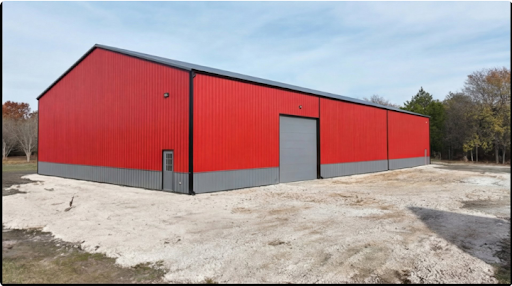

Managing hay and grain storage effectively is a significant concern for farmers and agricultural producers in Canada. Among the various elements impacting the quality and safety of stored produce, moisture control emerges as a critical factor. High moisture levels can lead to mould growth, decrease nutritional value, and even cause spontaneous combustion. In this article, we discuss how metal agricultural sheds offer a reliable solution for managing moisture levels to ensure the safety and longevity of your stored hay and grain.
The Importance of Moisture Control in Food Storage
Moisture is the arch-enemy of stored agricultural products. When hay and grain are stored with too much moisture, they can spoil and lead to negative outcomes for both humans and livestock. Mould growth, which thrives in damp conditions, can produce mycotoxins that are harmful if ingested. High moisture content can also decompose hay, reducing not only its nutritional content but also increasing the risk of fire due to the heat generated by bacterial action.
Understanding and managing the moisture content of stored materials starts even before they are brought inside your storage facility. Ideally, hay should be dried to less than 15% moisture content, while grains require a moisture content below 13% for safe storage. A precise understanding of these requirements forms the backbone of storage safety management in metal agricultural sheds.
Advantages of Metal Agricultural Sheds
When considering the best structures for safe storage, metal agricultural sheds present numerous advantages over traditional wooden barns. The key features of metal sheds that enhance their effectiveness at moisture control include:
- Durability: Made from high-quality materials, these sheds are designed to withstand the test of time and harsh weather conditions.
- Resistant to Rot and Pests: Unlike wood, metal is not susceptible to rot or pest infestations, which can exacerbate moisture issues.
- Customization: Metal sheds can be designed with integrated ventilation systems to improve airflow and manage humidity effectively.
- Energy Efficiency: Proper insulation can minimize temperature fluctuations, keeping your stored products dry and safe.
Customizing Your Shed for Optimal Moisture Control
When investing in steel barn kits, customization is key to maximizing their utility for moisture control. Many manufacturers offer a wide array of options to tailor the steel structures to specific needs.
Ventilation and Airflow
A critical feature for moisture control in any storage facility is proper ventilation. By allowing air to circulate inside the shed, you can ensure that moisture does not accumulate in stagnant air. Installing ridge vents, eave vents, and exhaust fans will significantly aid air circulation, thereby reducing humidity levels.
Insulation and Temperature Regulation
Insulation is not just imperative for minimizing energy costs, but also for maintaining a stable environment within the shed. Proper insulation materials help prevent sudden temperature changes that could lead to condensation, which is detrimental to the stored produce. A well-insulated barn maintains a more consistent internal temperature, which is invaluable in preventing moisture buildup.
Floor and Foundation Considerations
The foundation of your metal agricultural shed is another significant factor that contributes to moisture management. Proper drainage should be ensured to divert water away from the building’s foundation. Utilizing raised concrete slabs or other moisture-resistant flooring options can further enhance the facility’s ability to combat moisture intrusion.
Monitoring Moisture Levels
The old saying “you can’t manage what you don’t measure” applies to moisture control as well. Investing in moisture meters and humidity gauges can grant you real-time insights into the conditions within your storage shed. Automated systems can even send alerts, allowing you to take corrective measures promptly before any significant damage occurs.
Conduct Regular Maintenance Checks
Regular inspections are essential for keeping your metal storage shed in optimal condition. Look for any signs of moisture entry, such as rust patches or condensation droplets, and address them immediately. Ensuring seals and caulking are intact and that ventilation systems are free of obstructions will go a long way in maintaining a dry environment. Preventive maintenance not only protects your investment but also ensures the continuing safety of the stored hay and grain.
Conclusion: Your Roadmap to Safe and Efficient Storage
Metal agricultural sheds offer an excellent solution for farmers looking to improve the safety and longevity of their stored hay and grain. With their durability, resistance to pests, and options for customization, these sheds can be tailored to meet specific moisture control needs. By selecting the appropriate steel barn kits and implementing effective moisture management strategies, you can ensure that your agricultural operations remain efficient and your produce retains its quality over time.
Remember, managing moisture levels is an ongoing process. By keeping abreast of the latest technologies for moisture control and maintaining your storage facilities diligently, you can ensure that your hay and grain remain in top condition year-round. Reach out to a professional today to explore your options for installing or upgrading to high-quality metal agricultural sheds.