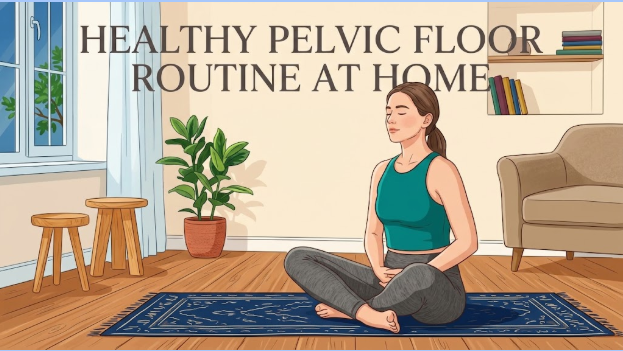

Pelvic floor health is an important part of everyday well-being, but it is often overlooked until discomfort or other concerns appear. With the growing availability of digital health resources, finding the best online pelvic floor program can make it easier to learn about pelvic floor exercises, breathing techniques, and healthy movement from the comfort of home.
A structured best online pelvic floor program can also provide a more organized approach than choosing random exercises online. The right resource should focus on clear instructions, gradual progression, proper technique, and exercises that can be adapted to different needs and fitness levels.
Understanding the Pelvic Floor
The pelvic floor is a group of muscles and supportive tissues located at the bottom of the pelvis. These muscles help support pelvic organs and play an important role in bladder and bowel control. They also work together with the abdominal muscles, diaphragm, and other muscles involved in movement and stability.
Pelvic floor function can change for many reasons, including pregnancy, childbirth, aging, surgery, changes in physical activity, and prolonged straining. Some people may experience weakness, while others may have muscles that are too tense or have difficulty relaxing them properly.
Understanding these differences is important because pelvic floor exercise is not simply about making the muscles stronger. Effective training can involve strengthening, relaxation, coordination, breathing, and learning how to use the muscles correctly during everyday activities.
Why Pelvic Floor Exercise Matters
Like other muscles in the body, the pelvic floor benefits from appropriate movement and regular training. Developing better awareness of these muscles can help people understand how they respond during activities such as walking, lifting, exercising, coughing, or sneezing.
However, performing exercises with the wrong technique or doing too much too quickly may not be helpful. A gradual approach allows people to focus on controlled movement and understand how their body responds.
Breathing is also an important part of pelvic floor training. Holding the breath during an exercise can increase pressure through the abdomen, while coordinated breathing can encourage more controlled and comfortable movement.
The Benefits of Learning From Home
Online programs have made health education more accessible for people who prefer flexible schedules. Instead of traveling to a clinic for every session, users can access lessons and exercise guidance from home and fit them around their daily routines.
For example, PelvicSense provides an online approach to pelvic health education and exercise. Resources like this can be useful for people who want structured information and guidance while developing a regular routine.
The convenience of online learning can also make consistency easier. Someone who has only a few minutes available in the morning or evening may find it simpler to follow a planned routine at home.
What to Look for in an Online Program
Choosing an online pelvic floor resource requires more than looking for a large collection of exercises. The quality of the instructions and the way exercises are organized can make a significant difference to the overall learning experience.
Clear Exercise Instructions
Exercises should be explained in straightforward language, with demonstrations that help users understand positioning, breathing, movement, and technique. Clear instructions can reduce confusion and make it easier to practice exercises correctly.
Gradual Progression
A well-organized program should avoid pushing users into advanced exercises immediately. Progressing gradually allows people to develop awareness and control before increasing the difficulty or duration of their workouts.
Focus on More Than Strength
Pelvic floor health involves more than repeated muscle contractions. Relaxation, breathing, mobility, coordination, and functional movement can all be relevant depending on an individual’s needs.
Flexible Home Workouts
Short, manageable sessions can be easier to maintain than complicated routines. Flexibility allows people to build exercise into their existing lifestyle rather than treating it as a separate, difficult task.
Common Mistakes to Avoid
One common mistake is assuming that every pelvic floor concern is caused by weak muscles. Some individuals may have muscles that are already very tense and may need to focus on relaxation and coordination rather than additional strengthening.
Another mistake is expecting immediate results. Developing better muscle control and movement awareness can take time. Consistency and appropriate progression are generally more practical than trying to complete intense workouts in a short period.
It is also important not to ignore persistent symptoms. Online educational resources can provide general guidance, but they cannot replace an individualized assessment when someone has ongoing pain or significant bladder, bowel, or pelvic symptoms.
Creating a Sustainable Routine
A sustainable routine should fit naturally into everyday life. Rather than attempting a long workout occasionally, people may find it easier to establish a consistent schedule with manageable sessions.
Combining pelvic floor exercises with healthy general movement can also support an active lifestyle. Walking, mobility exercises, appropriate strength training, and good breathing habits can all become part of a broader approach to physical well-being.
Most importantly, people should pay attention to how their body responds. If an exercise causes pain or makes symptoms worse, it is sensible to stop and seek appropriate professional advice.
When Professional Guidance May Be Appropriate
Online resources can be convenient, but some situations require personalized support. Persistent pelvic pain, significant changes in bladder or bowel function, pelvic pressure, or symptoms following surgery or childbirth may warrant an assessment from a qualified healthcare professional.
A pelvic health physiotherapist can assess individual muscle function and help determine whether strengthening, relaxation, coordination, or another approach is appropriate.
Final Thoughts
Pelvic floor health deserves the same attention as other areas of physical fitness. Learning the basics, practicing appropriate exercises, and developing consistent habits can help people become more aware of how these muscles work.
Online programs can make pelvic health education more convenient, especially for people who prefer flexible home-based learning. The most useful approach is one that provides clear guidance, encourages gradual progress, and recognizes that everyone’s pelvic health needs can be different.