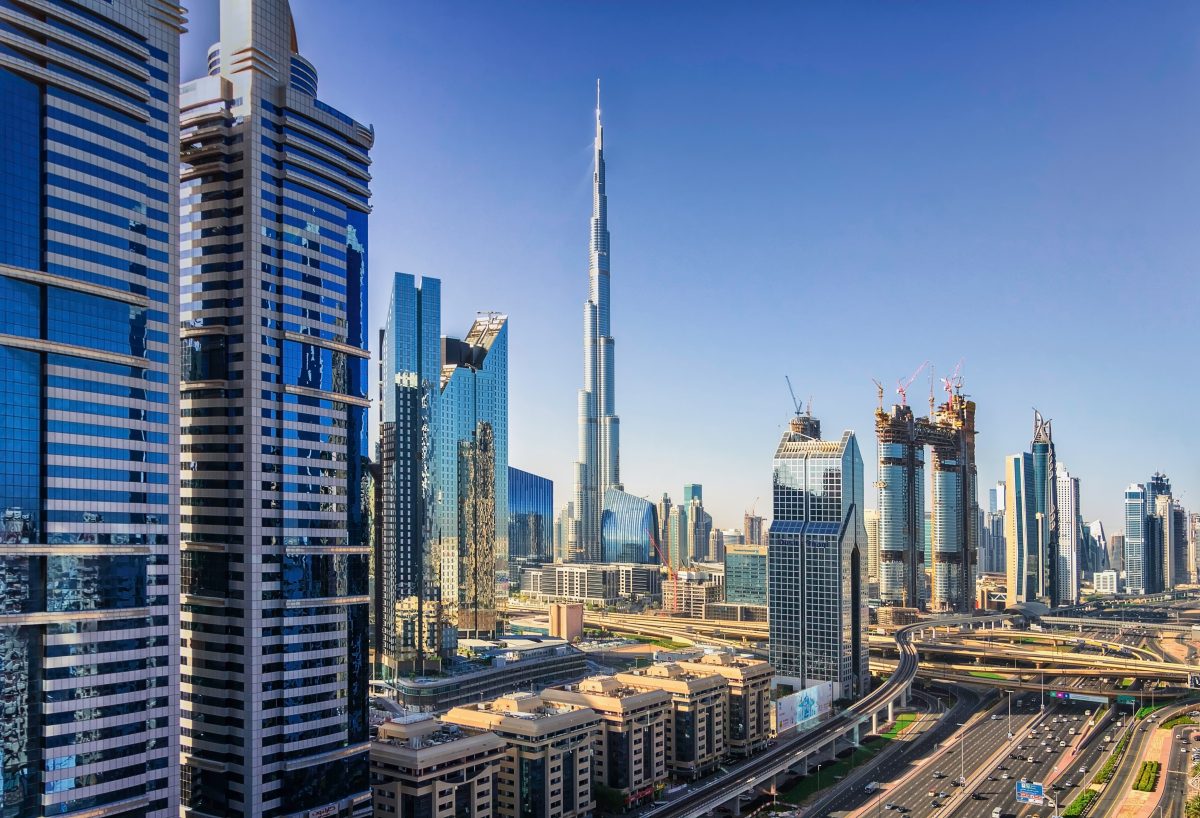

The UAE has become the default “second base” for internationally mobile investors. Zero personal income tax, a stable currency pegged to the US dollar, a Golden Visa linked to property and one of the world’s most active off-plan markets all point in the same direction. Yet the UAE is not one market. It is seven emirates with very different price levels, buyer profiles and growth drivers.
This guide explains how to read the market like an investor rather than a tourist.
Why the UAE Works for Investors
| Factor | What it means in practice |
|---|---|
| No personal income tax | Rental income is not taxed at the individual level |
| Dollar-pegged dirham | Lower currency risk for USD-based capital |
| Off-plan payment plans | Entry with 10–20% down, the rest during construction |
| Golden Visa | Long-term residency for qualifying property owners |
| Freehold zones | Full foreign ownership in designated areas |
The main one-off cost to budget for is the Dubai Land Department registration fee of 4% of the purchase price, plus agency and admin fees on resale deals.
Choosing an Emirate
Dubai
The most liquid market, with the deepest resale and rental demand. Best for investors who want to exit easily. Competition between developers keeps payment plans flexible.
Abu Dhabi
A calmer, more government-anchored market. Island communities such as Saadiyat and Yas attract end users and families, which supports long-term rental stability.
Ras Al Khaimah
The growth story of the decade. A major integrated casino resort is under construction on Al Marjan Island and is expected to open in 2027, and land prices around it have already responded. Entry prices remain below Dubai’s.
Sharjah and Umm Al Quwain
Budget-friendly options for yield-focused buyers. Sharjah benefits from proximity to Dubai’s job market; Umm Al Quwain offers early-stage waterfront projects.
Insight: Follow the Rail Line
In October 2026, it was confirmed that Dubai will have four railway stations as the national Etihad Rail network expands, alongside the planned high-speed link between Dubai and Abu Dhabi. Transport infrastructure is one of the most reliable long-term price drivers in any city.
“Buy where the infrastructure is going, not where it already is.” — a rule of thumb shared by experienced Dubai brokers
Units within reach of a future station, bought at today’s prices, capture the uplift when the line opens. That is exactly the kind of signal the Umbrella Real Estate team tracks before shortlisting a project.
Off-Plan vs Ready Property
Off-Plan
- Pros: lower entry price, staged payments, potential gain by handover.
- Cons: construction and delivery risk, no rental income until completion.
Ready (Secondary)
- Pros: immediate rental income, you see exactly what you buy.
- Cons: full payment or a mortgage upfront, less room for capital growth.
Rule of thumb: off-plan suits investors with a three-to-five-year horizon who want capital growth; ready units suit those who need cash flow now.
Scheme: How to Read a Payment Plan
A typical Dubai off-plan plan looks like this:
- Booking → 10–20% at signing.
- Construction phase → 40–50% spread over milestones.
- Handover → 30–40% when keys are released.
- Post-handover (some projects) → part of the balance paid over 2–5 years after completion.
The longer the post-handover tail, the more the property can partly pay for itself through rent. Always check whether payments are tied to calendar dates or to construction milestones: milestone-linked plans protect you if the project slips.
The Golden Visa Through Property
A property investment of at least AED 2 million can qualify the owner for a 10-year UAE Golden Visa, renewable as long as the property is held. Mortgaged and some off-plan properties can qualify under specific conditions. Requirements are updated from time to time, so confirm the current rules for your unit before relying on them.
How to Avoid Common Mistakes
- Buying on the brochure. Check the developer’s delivery record and escrow account registration.
- Ignoring service charges. Annual fees per square foot vary widely between communities and can erode net yield.
- Overpaying in launch hype. Compare the launch price with resale prices of similar completed units nearby.
- Choosing the wrong emirate for the goal. Short-term rental, family living and capital growth each point to different locations.
This is where a broker earns their fee. A team like the Umbrella Real Estate agency, which has a Dubai office and works across Dubai, Abu Dhabi, Ras Al Khaimah, Sharjah and Umm Al Quwain, can compare projects across emirates rather than pushing one developer’s stock. Its Club Card holders also get early access to new launches and exclusive units — often the best-priced inventory in a project.
FAQ
Can foreigners own property in Dubai? Yes, with full freehold ownership in designated freehold areas.
What is the minimum property value for a UAE Golden Visa? AED 2 million under the property route. Check the latest conditions for off-plan and mortgaged units.
Is rental income taxed in the UAE? There is no personal income tax on rental income for individuals. Corporate structures may have different rules.
What extra costs should I expect when buying in Dubai? The 4% Dubai Land Department fee, registration and admin fees, and annual service charges.
Which emirate offers the most growth potential? Ras Al Khaimah is drawing strong attention thanks to its new resort developments, while Dubai remains the most liquid market overall.