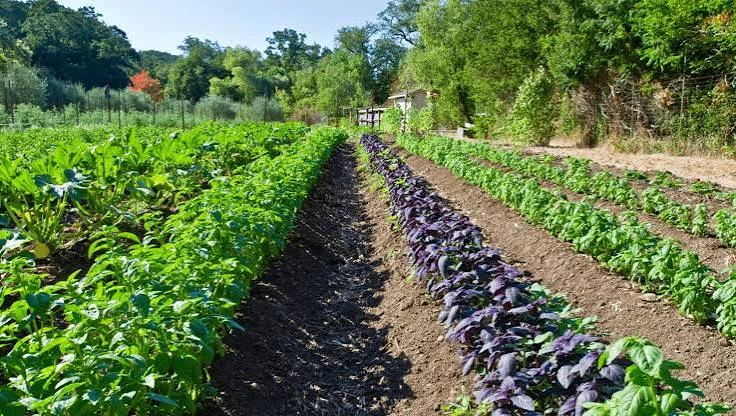

For manufacturers, retailers, and hospitality businesses, sourcing is no longer only about price per kilo. Ingredient choices influence product consistency, audit outcomes, and brand trust. As a result, more procurement teams are exploring organic wholesale as a way to combine clear standards with practical bulk purchasing.
Working with a specialist organic wholesaler such as vehgroshop can help businesses source bulk organic ingredients with the documentation and pack-size flexibility needed for professional operations.
Key benefits of organic wholesale for B2B buyers
Organic purchasing is often framed as a consumer trend, but in B2B it can support day-to-day risk control.
Stronger traceability and compliance
Organic supply chains typically require better record keeping. That makes it easier to gather product specification sheets, allergen statements, and certification evidence for customer questionnaires, retailer onboarding, or third-party audits.
More predictable quality for repeatable production
If you produce snack bars, bakery mixes, sauces, or drink blends, small variations in powders, seeds, or dried fruit can affect taste and shelf life. Buying through organic wholesale with defined specifications helps reduce batch-to-batch variability.
A sustainability baseline customers recognise
Many end customers understand organic as a shorthand for more responsible farming practices. For B2B brands, that can support positioning without relying on exaggerated health claims.
Operational efficiency through bulk formats
Wholesale pack sizes can reduce packaging waste, lower delivery frequency, and simplify stock planning. For growing businesses, access to multiple formats helps balance freshness with cost control.
Where organic ingredients fit across sectors
Organic wholesale is relevant beyond traditional health food brands.
- Hospitality and catering use organic herbs and spices for consistent flavour, natural sweeteners for beverages, and premium salts for finishing. Reliability matters because chefs want the same profile every service.
- Food manufacturing and private label often source organic cocoa, coconut products, grains, seeds, and functional powders for cereals, bars, and ready-to-mix drinks. Clear specs help maintain stable recipes.
- Retail and e-commerce benefit from assortment breadth, combining staples such as rice, lentils, and nuts with trend-driven items like superfood blends or botanical powders.
Practical sourcing checklist for procurement teams
When comparing organic wholesale suppliers in the UK or Europe, a short checklist helps prevent costly surprises.
- Confirm certification and origin. Ensure the organic status is documented and that country of origin and batch information are available when needed.
- Check the details that affect your process. Examples include cut size for dried vegetables, roast level for cocoa, fineness for powders, or moisture limits for dried fruit.
- Choose pack sizes that match throughput. Smaller volumes can protect freshness, while larger formats reduce handling time and can support better unit economics.
- Ask about lead times and reorder routines. Stable availability and clear communication are as important as price.
- Plan storage and shelf life. Bulk buying works best when you have suitable storage conditions and a simple stock rotation method.
To make supplier comparisons more objective, define two or three priority ingredients and run a small trial order. Track delivery reliability, batch consistency, and how quickly your team can retrieve the right paperwork when a customer asks for it.
Organic sourcing is not a one-off decision. It is a system built around specifications, logistics, and compliance. With the right organic wholesale partner, B2B teams can reduce risk, keep production consistent, and create room for product innovation.