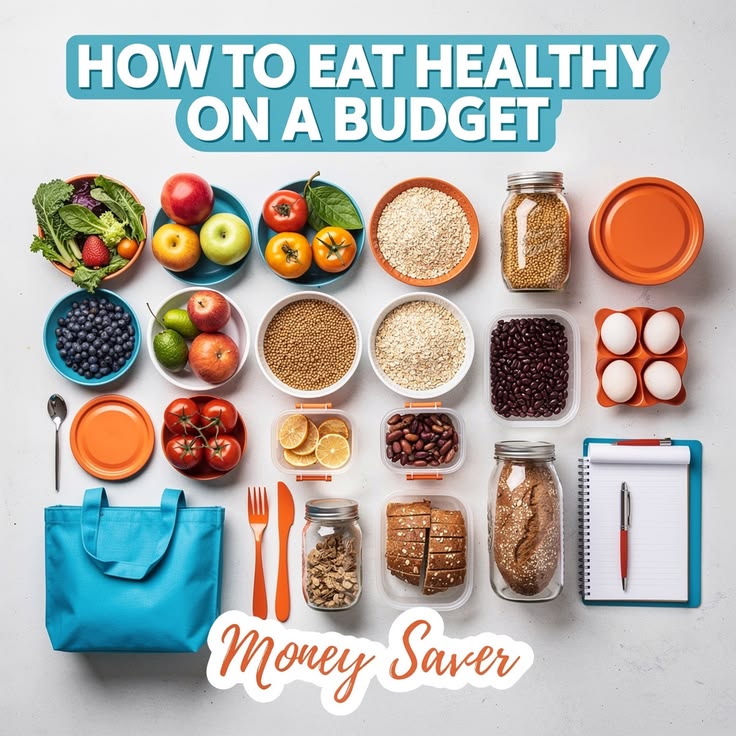

Healthy eating on a budget is an essential aspect of maintaining a balanced diet without incurring excessive costs. The fluctuating prices of groceries and dining out can make it challenging for individuals and families to prioritize their nutrition. However, understanding the principles of cost-effective eating allows one to enjoy nutritious meals that support overall health while keeping expenses manageable. The importance of a balanced diet cannot be overstated. A well-rounded nutritional plan contributes to better physical health, enhances mental well-being, and supports longevity. When budgeting for food, individuals can incorporate a variety of food groups that are rich in nutrients. This approach not only helps in maintaining a healthy lifestyle but can also lead to long-term savings on healthcare costs associated with diet-related diseases. Common misconceptions abound regarding the costs associated with healthy eating. Many believe that a nutritious diet is inherently expensive, leading to the assumption that fast food or processed options provide a more economical choice. However, by prioritizing whole foods such as fruits, vegetables, whole grains, and legumes, individuals can create satisfying meals that are not only affordable but also beneficial for their health. Strategies such as meal planning, bulk buying, and choosing seasonal produce can further assist individuals in sticking to their budgets while still reaping the benefits of a healthy diet. In essence, healthy eating on a budget is achievable through informed choices and strategic planning. As one navigates the complexities of food pricing, the focus should remain on incorporating a variety of nutritious options that yield health benefits and support overall well-being, all while staying within financial means.
Meal Planning: A Smart Way to Eat Healthy on a Budget
Meal planning is an essential practice for anyone looking to eat healthily while remaining budget-conscious. By preparing a weekly meal plan, individuals can make informed decisions that not only prioritize nutrition but also help save money. An effective meal plan streamlines grocery shopping, reduces food waste, and ensures a balanced diet.
One of the foremost strategies in meal planning is to incorporate seasonal produce. Seasonal fruits and vegetables are often more affordable and fresher than out-of-season options. By focusing on what’s available during each season, one can capitalize on lower prices and optimize nutrient intake. Additionally, visiting local farmer’s markets can yield bargains on fresh produce, which further enhances a budget-friendly meal plan.
Another critical element of meal planning involves taking advantage of store sales and promotions. Before drafting your weekly grocery list, check local grocery flyers or online platforms for upcoming deals. Plan meals around ingredients that are on sale, as this can significantly reduce the overall cost of your grocery bill. For instance, if chicken is being offered at a reduced price, consider incorporating it into several meals that week, ensuring variety and minimizing waste.
Moreover, creating balanced meals that are both nutritious and affordable requires a mindful approach to ingredient pairing. Combine whole grains, lean proteins, healthy fats, and plenty of fruits and vegetables. Examples include quinoa salads, stir-fried vegetables with brown rice, or lentil soups. These meals not only provide essential nutrients but also maximize flavor without inflating costs.
In conclusion, meal planning is a powerful tool in your journey towards healthy eating on a budget. By utilizing seasonal produce, capitalizing on sales, and focusing on balanced nutrition, anyone can enjoy delicious and wholesome meals while keeping expenses under control.
Grocery Shopping Tips for Health and Savings
Grocery shopping for healthy foods while adhering to a budget necessitates strategic planning. One fundamental tip is to create a shopping list before heading to the store. This list should be based on a meal plan, ensuring that you purchase only the items needed. By having a clear idea of what to buy, you are less likely to make impulse purchases that can derail your budget.
Another effective strategy is to utilize coupons and special promotions. Many grocery stores provide discounts through loyalty programs, digital coupons, or weekly flyers. By taking advantage of these offers, you can substantially reduce your grocery bill while still obtaining nutritious food options. Furthermore, consider combining coupons with sales for added savings.
Price comparisons are essential when it comes to maximizing your grocery budget. Take the time to compare prices between different brands and products, as well as between various stores. Often, generic or store-brand products offer comparable quality at a lower price compared to name-brand items. Investing in a price book to keep track of regular prices can help identify the best deals available.
Shopping at discount stores or farmers’ markets can also lead to significant savings on fresh produce and pantry staples. Farmers’ markets often provide seasonal fruits and vegetables at lower prices compared to traditional supermarkets, while discount grocers may carry healthy options at a fraction of the cost. Additionally, selecting items in bulk can provide further savings, especially for non-perishable goods.
Finally, when assessing the quality of products, look for fruits and vegetables that are in-season, as these tend to be fresher and more affordable. Ensuring that you select the best quality items at lower prices is key to maintaining both your health and your budget.
Cooking at Home: Easy and Economical Recipes
Cooking at home not only allows individuals to take control of their dietary choices but also serves as an effective strategy for saving money. By preparing meals from scratch, you can avoid the high costs associated with dining out and processed convenience foods. Emphasizing whole foods, cooking at home encourages healthier eating habits and minimizes the intake of preservatives and unhealthy additives often found in commercial meals.
One economical recipe that highlights these benefits is a simple vegetable stir-fry. Utilizing basic ingredients such as bell peppers, carrots, and broccoli, this dish can be prepared quickly and serves as a vibrant, nutrient-dense meal. All that is required is slicing the vegetables and sautéing them in a small amount of olive oil, adding soy sauce or spices for flavor. This one-pan recipe is not only easy to make but also allows for bulk preparation, ensuring leftovers can be utilized for lunches throughout the week.
Another budget-friendly option is a hearty lentil soup. Lentils are rich in protein, fiber, and numerous essential vitamins and minerals, making them an excellent base for a filling meal. To create this soup, simply combine lentils with diced tomatoes, onions, garlic, and vegetable broth. Season with your choice of herbs and spices. This recipe can be made in large quantities, providing nourishment over several days while keeping costs low.
Lastly, consider making homemade granola bars as a healthy snack. Combine oats, nuts, honey, and a bit of dried fruit for a nutritious treat that is far less expensive than store-bought bars. By controlling the ingredients, you ensure that the final product is both healthy and free from excessive sugars or preservatives.
These examples illustrate that cooking at home can lead to significant savings while promoting a diet rich in whole foods. With a little creativity and planning, meals that are both nutritious and economical are within reach.
Utilizing Leftovers Wisely
Minimizing food waste is an essential aspect of healthy eating, particularly when working within a budget. Utilizing leftovers wisely not only helps save money but also contributes to a more sustainable lifestyle. Proper storage techniques can significantly extend the lifespan of leftover food, ensuring that it remains safe and palatable for future consumption. To store leftovers safely, invest in airtight containers that can be easily labeled with dates. This practice allows you to monitor freshness and use them within safe timeframes.
When it comes to transforming leftovers into new meals, creativity is key. For instance, cooked vegetables can be repurposed into soups, omelets, or stir-fries. Grains such as rice or quinoa can serve as the base for refreshing salads or filling casseroles. If you have leftover protein, whether it be chicken, beef, or legumes, consider shredding or dicing it to make tacos, salads, or grain bowls. These options not only minimize waste but also help maintain a diverse and nutritious diet.
In addition to these meal ideas, plan your menu around potential leftovers. For example, when preparing a large batch of chili, consider how you can incorporate the remaining servings into next week’s lunch or dinner. Furthermore, utilizing seasonal produce before it spoils can often necessitate using what you already have in your refrigerator. Styling meals this way encourages variety while extending resources.
Ultimately, smartly using leftovers not only prevents food waste but also promotes healthy eating habits. By being deliberate about how to repurpose uneaten food, individuals can enjoy meals that are both nutritious and budget-friendly while contributing positively to environmental sustainability.
Embracing Plant-based Options
Incorporating more plant-based meals into your diet presents numerous benefits, particularly for those seeking to maintain a healthy diet on a budget. Plant-based options, such as legumes, grains, and a variety of vegetables, not only tend to be more affordable compared to meat products but also provide essential nutrients that contribute to overall health.
Legumes, including lentils, beans, and chickpeas, serve as an excellent source of protein and dietary fiber, making them an attractive alternative to meat. These ingredients can be purchased in bulk, resulting in significant savings. For instance, a simple chickpea salad can be prepared for a fraction of the cost of a meat-based meal, while delivering similar satisfaction and nutritional value.
Whole grains, such as brown rice, quinoa, and oats, also play an essential role in a balanced diet. These grains are not only filling but also provide vital vitamins and minerals. They can be easily incorporated into dishes such as stir-fries, salads, or as side dishes to nutrient-rich vegetables, enhancing flavor and texture.
Vegetables, especially seasonal varieties, are often more affordable and can add a wealth of nutrients to your meals. Investing in fresh produce when in season can maximize health benefits and affordability. Frozen vegetables are another budget-friendly option that retains their nutritional value while providing versatility in meal preparation.
While shifting towards a plant-based diet, it is crucial to balance various food groups to ensure you are receiving adequate nutrition. Combining legumes with grains, for example, creates a complete protein source essential for maintaining muscle health. Similarly, pairing vegetables with healthy fats, such as olive oil or avocados, enhances nutrient absorption. By thoughtfully embracing plant-based options, individuals can enjoy a diverse, budget-conscious diet that supports their health and wellness goals.
Smart Snack Choices to Sustain Your Budget
Maintaining a healthy diet on a budget often necessitates making informed choices regarding snacks. Rather than reaching for processed, store-bought options, consider incorporating whole, unprocessed snacks that not only nourish the body but also align with financial constraints. These choices offer not only nutritional benefits but also a filling alternative to typical convenience foods.
One of the most affordable snack options is fresh fruits and vegetables. Seasonal produce tends to be less expensive, providing a variety of vitamins and minerals. Apples, carrots, and bananas are often budget-friendly and can be easily packed for on-the-go snacking. Pairing these with simple dips like hummus or peanut butter can enhance their flavor while adding healthy fats and protein, making them more satisfying.
Nuts and seeds are another excellent option. While they may seem costly at first, purchasing them in bulk can reduce the overall expense significantly. Almonds, walnuts, or sunflower seeds serve as energy-dense snacks. Additionally, they offer an array of health benefits, including heart health and improved satiety, which can lower the overall quantity of snacks consumed.
Popcorn represents a healthy, whole grain choice that is both enjoyable and budget-friendly. When prepared at home using an air popper or on the stovetop without excessive butter or oil, it becomes a low-calorie snack rich in fiber. This can help curb hunger and maintain energy levels throughout the day.
Finally, Greek yogurt, particularly plain varieties purchased in larger containers, can serve as another economical snack. Its versatility allows for mixing in fruits, honey, or granola, making it a wholesome choice that is both nutritious and delicious.
Mindful Eating: A Tool for Reducing Costs
Mindful eating is an essential practice that encourages individuals to be present during meals, allowing for a deeper awareness of their hunger cues and emotional responses to food. This conscious approach can not only enhance one’s relationship with food but also play a crucial role in reducing food expenses. By adopting mindful eating habits, individuals can curtail unnecessary spending by avoiding impulse purchases and making more intentional food choices.
One effective strategy for cultivating mindful eating is to slow down during meals. Taking the time to savor each bite and appreciate the textures and flavors can lead to greater satisfaction, which may ultimately reduce the quantity of food consumed. This practice encourages individuals to listen to their bodies, recognizing when they are genuinely hungry or satisfied. Consequently, this heightened awareness can circle back to financial savings, as individuals will purchase only what they need and avoid buying extra food items that may go to waste.
Additionally, planning meals ahead of time is a practical tactic that aligns with mindful eating principles. Creating a shopping list based on planned meals can help to avoid unintentional impulse buys while shopping. The list serves as a guideline, ensuring that only necessary items are acquired, thus minimizing extraneous spending. Furthermore, being mindful of portion sizes can also aid in cost reduction. When individuals serve themselves appropriate portions, they are less likely to overeat and waste food, which can accumulate in additional financial loss.
Moreover, being present while eating allows individuals to recognize emotional triggers that often lead to mindless snacking or overindulgence. Understanding these triggers can empower people to make proactive choices rather than reactive ones, resulting in both health benefits and reduced expenses. Overall, practicing mindful eating not only fosters a healthier and more enjoyable relationship with food but also serves as an effective strategy for reducing overall food costs.
Resources for Continued Learning and Support
In the pursuit of healthy eating on a budget, accessing the right resources can play a crucial role in sustaining progress and enriching knowledge. Numerous platforms provide valuable information tailored to both novice and experienced individuals seeking to enhance their nutritional habits without financial strain.
Books such as “Good and Cheap: Eat Well on $4/Day” by Leanne Brown offer practical recipes and meal planning strategies that align with limited budgets. This book not only emphasizes affordability but also highlights the importance of nutrition, making it a worthy addition to any kitchen bookshelf. Additionally, “The Complete Guide to Fasting” by Jason Fung discusses how intermittent fasting can contribute to healthy eating patterns, ultimately leading to more cost-effective meal choices.
Online platforms such as the USDA’s MyPlate website provide extensive resources, including meal planning tools and seasonal produce guides. This initiative educates individuals on how to create balanced meals that cater to financial considerations. Similarly, websites like EatFresh.org offer free resources that focus on cooking nutritious meals with low-cost ingredients while also promoting community support and engagement.
For those who seek a more interactive approach, a variety of mobile applications can assist in budgeting and meal preparation. Apps like Mealime and Paprika help users plan meals and generate grocery lists tailored to their dietary needs and budget constraints. Additionally, local community programs often offer workshops or cooking classes aimed at promoting healthy eating habits while providing an opportunity for social interaction.
Overall, leveraging these resources can significantly enhance one’s knowledge and skills in maintaining a nutritious diet without straining financial resources. Engaging with books, websites, and community programs can foster a rewarding journey towards healthy eating on a budget, empowering individuals to make informed food choices.