
Manufacturing floors, medical facilities, and industrial operations across the country still depend on parallel port connections for critical equipment. Point-of-sale systems, CNC machines, label printers, and legacy measurement devices require stable parallel communication that can’t be interrupted by connectivity issues or adapter failures. When these systems go down, the costs multiply quickly through lost productivity, missed deadlines, and emergency troubleshooting calls.
The choice between installing dedicated parallel port cards and using USB-to-parallel adapters represents more than a simple hardware decision. This choice directly impacts system reliability, operational consistency, and long-term maintenance costs. While USB adapters appear to offer convenience and lower upfront costs, the hidden expenses of compatibility issues, intermittent failures, and system instability often exceed the initial savings within months.
Understanding the fundamental differences between these two approaches helps IT managers make informed decisions that protect critical operations while managing both immediate and ongoing costs effectively.
Hardware Architecture Determines Connection Reliability
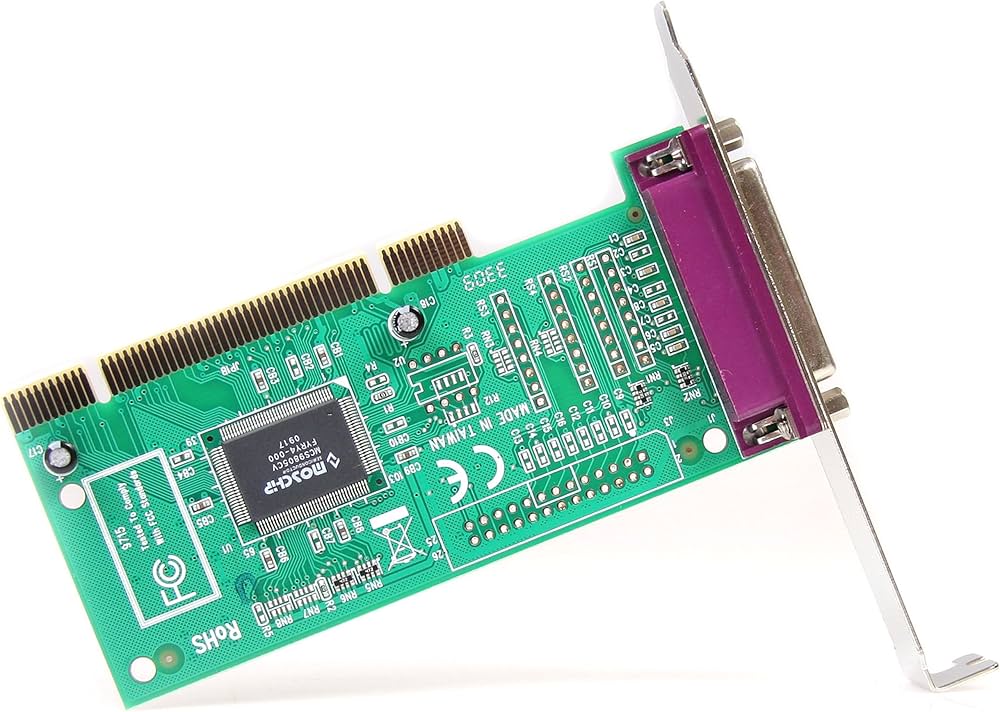
The fundamental difference between PCI parallel cards and USB adapters lies in how they establish communication with connected devices. A pci card parallel solution creates a direct hardware connection through the computer’s PCI bus, establishing dedicated memory addresses and interrupt channels specifically for parallel communication. This direct connection operates independently of the operating system’s USB subsystem and provides consistent signal timing that parallel devices expect.
USB-to-parallel adapters, by contrast, translate parallel signals through multiple layers of conversion. The parallel device sends signals to the adapter, which converts them to USB protocol, transmits them through the USB subsystem, and relies on software drivers to interpret the communication. Each conversion step introduces potential points of failure and signal degradation that can affect device performance.
This architectural difference becomes critical when supporting devices that require precise timing or continuous data streams. Industrial printers processing large print jobs, CNC machines executing complex cutting patterns, and measurement equipment recording time-sensitive data all depend on consistent signal delivery that direct PCI connections provide more reliably.
Signal Timing and Communication Stability
Parallel port communication relies on precise timing relationships between control signals and data transmission. Legacy parallel devices were designed to work with the predictable timing characteristics of dedicated parallel port hardware, where signal delays and response times remain consistent across different operating conditions.
PCI parallel cards maintain these timing relationships because they operate at the hardware level with dedicated interrupt handling. When a connected device needs to communicate, the parallel port hardware can respond immediately without competing with other system processes or USB traffic for attention.
USB adapters introduce variable delays because USB communication operates on a polling basis rather than dedicated interrupts. The adapter must wait for its turn in the USB communication cycle, translate the signals, and then compete with other system processes for processor attention. These delays can cause timing-sensitive devices to malfunction or report communication errors.
System Resource Allocation
Direct PCI installation allocates specific system resources exclusively for parallel communication. The card receives its own memory address range and interrupt line, ensuring that parallel port operations don’t interfere with other system functions and aren’t affected by USB bandwidth limitations or conflicts.
USB adapters share the available USB bandwidth with all other USB devices connected to the system. In environments with multiple USB peripherals, this shared bandwidth can create bottlenecks that slow parallel communication or cause intermittent connection issues when USB traffic peaks during normal operations.
Driver Dependencies and System Integration
The software requirements for PCI parallel cards versus USB adapters create different levels of system complexity and potential failure points. PCI parallel cards typically use standard parallel port drivers that are built into most operating systems, requiring minimal additional software installation and providing consistent behavior across different system configurations.
USB-to-parallel adapters require specialized drivers that must be installed, configured, and maintained separately from standard system components. These drivers act as translators between the USB subsystem and applications expecting standard parallel port behavior, adding complexity that can introduce compatibility issues with specific software or operating system updates.
The integration differences become apparent during system maintenance and updates. Standard parallel port hardware continues working with basic operating system drivers, while USB adapters may require driver updates, compatibility patches, or complete reinstallation when systems are updated or replaced.
Operating System Compatibility
Standard parallel ports appear to applications and operating systems as native hardware components, ensuring broad compatibility with legacy software that wasn’t designed to work with adapter-based solutions. This native compatibility eliminates the translation layer that USB adapters require, reducing the potential for software conflicts or communication errors.
USB adapters must emulate standard parallel port behavior through software, which can create compatibility issues with applications that make direct hardware calls or expect specific timing characteristics. Some legacy software may not recognize USB-adapted parallel ports at all, requiring additional configuration or compatibility patches that complicate system management.
The emulation approach also means that USB adapter compatibility depends on the quality and completeness of the driver software, which varies significantly between manufacturers and can affect long-term supportability as systems age.
Installation and Configuration Requirements
PCI parallel card installation follows standard hardware installation procedures, with the operating system automatically recognizing and configuring the parallel port using built-in drivers. This straightforward process reduces installation time and eliminates the potential for driver-related configuration errors during deployment.
USB adapter deployment requires driver installation before the adapter can function, along with potential configuration of port settings, device recognition parameters, and application-specific compatibility settings. This additional complexity extends deployment time and requires more technical expertise to troubleshoot when problems arise.
Cost Analysis Beyond Initial Purchase Price
The total cost comparison between PCI parallel cards and USB adapters extends far beyond the initial hardware purchase. While USB adapters typically cost less upfront, the operational costs of adapter-related downtime, troubleshooting, and replacement often exceed the initial savings within the first year of use.
Downtime costs vary significantly by industry and application, but even brief interruptions to critical parallel-connected equipment can generate substantial expenses. A failed USB adapter that stops a production line, interrupts point-of-sale operations, or prevents access to measurement equipment creates immediate productivity losses that multiply rapidly.
PCI parallel cards typically provide longer service life with fewer failure points, reducing both replacement costs and the frequency of system disruptions. The initial higher investment often pays for itself through improved reliability and reduced maintenance requirements over the hardware’s operational lifetime.
Troubleshooting and Support Costs
USB adapter troubleshooting requires technical staff to understand both USB subsystem behavior and parallel port emulation, creating more complex diagnostic procedures when problems occur. Intermittent connection issues, driver conflicts, and compatibility problems with USB adapters often require significant time to identify and resolve.
PCI parallel card issues typically involve straightforward hardware diagnostics, with fewer variables to consider during troubleshooting. The direct hardware connection eliminates USB-related variables, simplifying problem identification and reducing the technical expertise required for maintenance.
Support costs also include the time required for driver management, compatibility testing with system updates, and potential adapter replacement when compatibility issues can’t be resolved through software updates alone.
Replacement and Scalability Considerations
USB adapters face ongoing availability challenges as manufacturers discontinue specific models and driver support for older adapters becomes limited. Organizations using multiple USB adapters may need to maintain inventory of spare units or face compatibility issues when replacing failed adapters with different models.
PCI parallel cards provide more consistent long-term availability because they use standard parallel port interfaces that don’t depend on specific manufacturer driver support. This standardization simplifies procurement and reduces the risk of being unable to find compatible replacements for critical systems.
Scaling operations with multiple parallel-connected devices also favors PCI cards because each card provides dedicated resources without competing for shared USB bandwidth or creating complex driver management requirements across multiple adapter units.
Performance Impact on Connected Equipment
The performance differences between PCI parallel cards and USB adapters become most apparent under demanding operational conditions. Equipment that processes large amounts of data, requires continuous communication, or operates under time-sensitive constraints typically performs more reliably with dedicated parallel port hardware.
Industrial printers producing high-volume output, CNC machines executing complex programs, and measurement devices collecting continuous data streams all benefit from the consistent communication characteristics that PCI parallel cards provide. The direct hardware connection eliminates the variable delays and potential bottlenecks that USB adaptation introduces.
USB adapters may perform adequately for light-duty applications or intermittent use, but their limitations become apparent when supporting equipment that requires sustained performance or operates near the limits of parallel port bandwidth capabilities.
Data Throughput and Bandwidth Utilization
PCI parallel cards can sustain maximum parallel port data rates consistently because they have dedicated system resources and don’t compete with other devices for bandwidth. This dedicated bandwidth ensures that connected equipment can operate at full capacity without communication bottlenecks that might slow operation or cause data errors.
USB adapters must share available USB bandwidth with all other USB devices on the system, potentially limiting parallel port performance when USB traffic is high. The shared bandwidth can create intermittent slowdowns that affect equipment performance unpredictably, making it difficult to maintain consistent production rates or measurement accuracy.
The bandwidth sharing issue becomes more critical in systems with multiple USB devices or in environments where USB storage devices, network adapters, or other high-bandwidth peripherals compete for the same USB resources that the parallel adapter requires.
Error Handling and Recovery
Direct PCI parallel connections provide immediate error detection and recovery capabilities because the hardware can signal communication problems directly to the operating system without translation delays. This immediate feedback helps connected equipment recognize and respond to communication issues quickly, minimizing the impact of temporary problems.
USB adapter error handling requires multiple steps as error conditions are detected by the adapter, translated to USB protocol, transmitted through the USB subsystem, and then interpreted by driver software before being reported to applications. These additional steps can delay error recognition and recovery, potentially allowing problems to compound before they’re addressed.
The faster error detection and recovery capabilities of PCI parallel cards help maintain equipment uptime and reduce the severity of communication-related problems when they do occur.
Long-Term Reliability and Maintenance
The mechanical and electronic design differences between PCI cards and USB adapters create different reliability profiles that affect long-term operational costs. PCI parallel cards installed inside computer cases are protected from physical damage, environmental exposure, and accidental disconnection that can affect external USB adapters.
USB adapters face additional failure risks from cable stress, connector wear, and environmental factors that don’t affect internal PCI installations. The external cables and connectors required for USB adapters create additional points of failure that can interrupt operations without warning.
The protected environment inside computer cases also provides more stable operating temperatures and better protection from dust, moisture, and other environmental factors that can affect electronic component longevity and reliability.
Environmental and Physical Protection
Industrial and commercial environments often expose USB adapters to conditions that can accelerate component degradation and cable failure. Dust accumulation on connectors, temperature cycling, and physical stress from cable movement all contribute to premature adapter failure in demanding environments.
PCI parallel cards operate in the controlled environment inside computer cases, where cooling systems maintain stable temperatures and physical protection prevents damage from impacts or environmental exposure. This protection contributes to longer service life and more predictable replacement schedules.
The elimination of external cables and connectors also reduces maintenance requirements by preventing the gradual connection degradation that affects USB adapters over time through normal connecting and disconnecting cycles.
System Upgrade and Migration Planning
Organizations planning system upgrades or hardware migrations face different challenges depending on their parallel port implementation choice. PCI parallel cards can often be transferred between systems or replaced with equivalent models without requiring driver reinstallation or reconfiguration of connected equipment.
USB adapter migrations may require new driver installation, compatibility testing with new operating systems, and potential replacement with different adapter models if the original manufacturer no longer provides driver support for newer operating systems.
The standardized nature of PCI parallel ports also simplifies documentation and support procedures because replacement cards from different manufacturers typically provide identical functionality, while USB adapter replacement may require evaluating compatibility and performance characteristics of different models.
Decision Framework for IT Managers
The choice between PCI parallel cards and USB adapters should be based on specific operational requirements, risk tolerance, and total cost considerations rather than initial purchase price alone. Critical applications that require maximum reliability, consistent performance, and minimal downtime risk typically justify the additional investment in PCI parallel card solutions.
Evaluating the decision requires considering the cost of equipment downtime, the technical expertise available for troubleshooting complex adapter issues, and the long-term supportability requirements for the connected equipment. Organizations with limited IT resources may find that PCI parallel cards reduce ongoing maintenance burden despite higher initial costs.
The decision framework should also account for the specific equipment being connected, the operating environment conditions, and the expected service life of the overall system to ensure that the parallel port solution matches the operational requirements effectively.
Risk Assessment Considerations
Assessing the operational risks associated with parallel port connectivity helps determine the appropriate investment level for reliable solutions. Equipment that creates significant downtime costs when communication fails typically warrants the additional reliability that PCI parallel cards provide over USB adapters.
Risk assessment should include both the probability of connection failure and the cost impact when failures occur. High-consequence applications benefit from the additional reliability and faster recovery capabilities of direct hardware connections, while lower-impact applications may accept the higher failure risk of USB adapters in exchange for lower initial costs.
According to the National Institute of Standards and Technology, system reliability planning should consider both component failure rates and the impact of failures on overall operational objectives when selecting hardware components for critical applications.
Implementation Planning
Successful implementation of either solution requires planning for installation procedures, staff training, and ongoing maintenance requirements. PCI parallel card installation requires brief system downtime for hardware installation but typically provides immediate functionality with minimal configuration.
USB adapter deployment may be faster initially but requires more extensive testing and configuration to ensure compatibility with existing applications and connected equipment. The additional complexity of USB adapter setup should be factored into deployment timelines and resource planning.
Long-term implementation planning should also consider spare parts inventory, replacement procedures, and the technical knowledge required for ongoing maintenance and troubleshooting of the chosen solution.
Conclusion
The decision between PCI parallel cards and USB-to-parallel adapters represents a classic trade-off between initial cost and long-term operational reliability. While USB adapters offer apparent convenience and lower upfront investment, the hidden costs of downtime, troubleshooting, and premature replacement often make them more expensive over their operational lifetime.
PCI parallel cards provide superior reliability, performance consistency, and long-term supportability that typically justify their higher initial cost for critical applications. The direct hardware connection eliminates many potential failure points while providing the stable communication characteristics that parallel-connected equipment requires for optimal performance.
IT managers evaluating these options should focus on total cost of ownership rather than initial purchase price, considering both the probability and impact of connection failures in their specific operational environment. The additional investment in PCI parallel card reliability often pays for itself through reduced downtime and maintenance costs, while providing the stable platform that critical equipment requires for consistent operation.