
Manufacturing operations face countless equipment decisions, but few carry the weight of gearbox selection. When production lines depend on continuous operation, the choice between materials becomes a critical factor in maintaining uptime and controlling long-term costs. Food processing plants, pharmaceutical manufacturers, and chemical facilities regularly encounter situations where standard carbon steel gearboxes fail to meet the operational demands of their environments.
The financial implications extend beyond initial purchase price. Unplanned downtime from gearbox failure can cost manufacturers thousands of dollars per hour, while frequent maintenance cycles drain resources and disrupt production schedules. Understanding the fundamental differences between stainless steel and carbon steel gearboxes helps operations managers make informed decisions that align with their facility’s specific requirements and risk tolerance.
Material Properties Shape Performance Characteristics
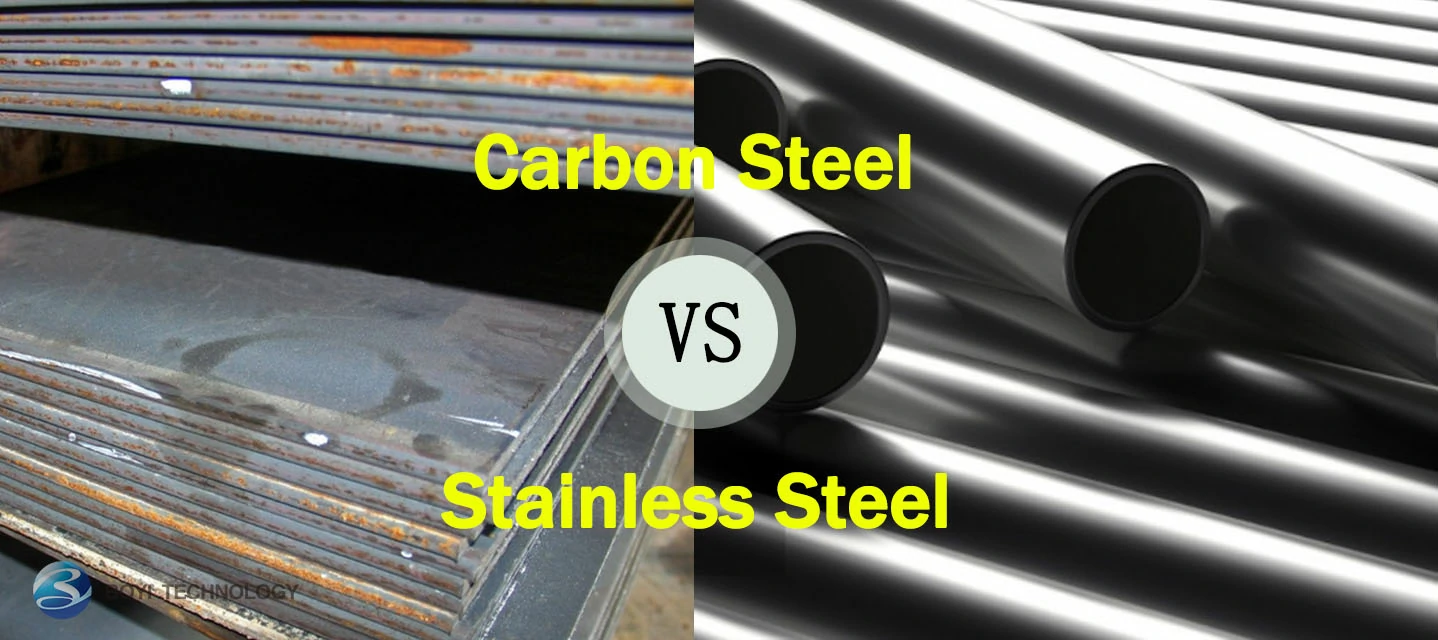
The fundamental difference between stainless steel and carbon steel lies in their chemical composition and resulting performance characteristics. Carbon steel contains primarily iron and carbon, making it strong and cost-effective but susceptible to corrosion when exposed to moisture, chemicals, or harsh environmental conditions. This susceptibility becomes a critical factor in facilities where gearboxes operate in challenging environments.
A stainless steel gearbox incorporates chromium and other alloying elements that create a passive oxide layer on the surface, providing natural resistance to corrosion and contamination. This resistance extends the operational life of components and reduces the frequency of maintenance interventions. The material’s ability to maintain structural integrity under temperature fluctuations and chemical exposure makes it particularly valuable in applications where environmental conditions vary significantly.
The strength-to-weight ratio also differs between these materials. While carbon steel typically offers higher tensile strength, stainless steel provides adequate strength for most industrial applications while delivering superior resistance to environmental degradation. This balance becomes important when considering the total cost of ownership over the gearbox’s operational life.
Corrosion Resistance Impacts Operational Reliability
Corrosion represents one of the primary failure modes for industrial gearboxes, particularly in environments where moisture, chemicals, or temperature extremes are present. Carbon steel gearboxes require protective coatings and regular maintenance to prevent rust and deterioration. These protective measures add ongoing costs and create potential points of failure if the coating is damaged or wears away over time.
Stainless steel’s inherent corrosion resistance eliminates many of these concerns, allowing gearboxes to operate in demanding environments without the same level of protective intervention. Food processing facilities, where regular washdown procedures expose equipment to water and cleaning chemicals, benefit significantly from this resistance. Similarly, coastal industrial facilities dealing with salt air find that stainless steel components maintain their integrity longer than carbon steel alternatives.
Temperature Stability Affects Performance Consistency
Temperature fluctuations create stress on gearbox components, affecting both performance and longevity. Carbon steel experiences thermal expansion and contraction that can lead to clearance changes, affecting gear mesh and bearing performance. Over time, repeated thermal cycling can contribute to fatigue and eventual component failure.
Stainless steel demonstrates better dimensional stability across temperature ranges, maintaining more consistent clearances and reducing the risk of performance degradation. This stability becomes particularly important in applications where gearboxes operate in environments with significant temperature variations or where precise positioning is critical to the manufacturing process.
Cost Analysis Beyond Initial Purchase Price
The upfront cost difference between stainless steel and carbon steel gearboxes often dominates purchasing decisions, but this approach overlooks the total cost of ownership. Carbon steel gearboxes typically cost 20-30% less initially, making them attractive for budget-conscious operations. However, this initial savings can be offset by higher maintenance costs, more frequent replacements, and potential downtime expenses.
Maintenance requirements differ significantly between the two materials. Carbon steel gearboxes in harsh environments may require protective coating reapplication, more frequent lubrication changes due to contamination, and component replacement due to corrosion damage. These maintenance activities consume both materials and labor resources while potentially requiring production shutdowns.
Stainless steel gearboxes typically operate longer between maintenance intervals and experience fewer corrosion-related failures. The reduced maintenance frequency translates to lower labor costs and fewer production interruptions. When calculating return on investment, facilities that prioritize uptime often find that the higher initial cost of stainless steel gearboxes is justified by reduced operational expenses over time.
Downtime Costs Magnify Material Selection Impact
Production downtime represents a hidden cost that can dramatically shift the economic comparison between gearbox materials. High-volume manufacturing operations may lose thousands of dollars for every hour of unplanned downtime, making reliability a primary consideration. Carbon steel gearboxes in challenging environments face higher failure rates, increasing the likelihood of unexpected production stoppages.
The predictability of maintenance also affects operational planning. Stainless steel gearboxes typically provide more consistent performance over their service life, allowing maintenance teams to plan interventions during scheduled downtime rather than responding to emergency failures. This predictability helps maintain production schedules and reduces the stress on maintenance resources.
Replacement Frequency Affects Long-term Budgeting
Service life expectations vary significantly between carbon steel and stainless steel gearboxes, depending on operating conditions. In benign environments, carbon steel may provide acceptable service life, but harsh conditions can reduce operational life substantially. Stainless steel gearboxes typically maintain performance longer, even in challenging applications.
The replacement cycle affects both capital budgeting and operational planning. Facilities using carbon steel gearboxes in demanding applications may need to budget for replacement every five to seven years, while stainless steel units might operate effectively for ten years or more. This extended service life reduces the frequency of capital expenditures and minimizes the disruption associated with equipment replacement projects.
Application-Specific Considerations Drive Selection
Environmental conditions within the facility often determine which gearbox material will provide optimal performance. Food and beverage processing facilities face unique challenges due to sanitation requirements and exposure to cleaning chemicals. The FDA’s food safety guidelines emphasize the importance of equipment that can withstand frequent cleaning and sanitization procedures without degrading or harboring contaminants.
Chemical processing environments present their own set of challenges, with potential exposure to corrosive substances that can rapidly degrade carbon steel components. Pharmaceutical manufacturing combines aspects of both industries, requiring equipment that can maintain sanitary conditions while resisting chemical exposure from cleaning agents and process materials.
Marine and coastal facilities deal with salt air that accelerates corrosion of carbon steel components. Even facilities not directly involved in marine operations can experience similar conditions if located near coastlines or in areas with high humidity and salt content in the air.
Sanitation Requirements Influence Material Choice
Industries requiring frequent equipment cleaning and sanitization benefit from stainless steel’s resistance to chemical attack and ease of cleaning. Carbon steel gearboxes may require protective coatings that can be damaged by aggressive cleaning chemicals, creating potential contamination points and requiring more frequent maintenance or replacement.
The smooth surface finish achievable with stainless steel components also facilitates cleaning and reduces the likelihood of bacterial growth or product contamination. This becomes particularly important in food processing and pharmaceutical applications where product purity is critical to both quality and regulatory compliance.
Chemical Exposure Determines Longevity
Process environments involving acids, bases, or other corrosive chemicals can severely impact carbon steel gearbox life. Even cleaning chemicals used in routine maintenance can gradually degrade carbon steel components, leading to premature failure and potential contamination of the operating environment.
Stainless steel’s resistance to a wide range of chemicals extends gearbox life in these applications and reduces the risk of contamination from degraded components. This chemical resistance also simplifies the selection of lubricants and maintenance products, as there are fewer compatibility concerns with the gearbox housing and internal components.
Performance Characteristics Under Operating Conditions
Load capacity and power transmission efficiency represent core performance metrics for any gearbox application. Carbon steel typically offers higher ultimate strength, allowing for more compact designs when maximum power density is required. However, stainless steel provides adequate strength for most industrial applications while delivering superior environmental resistance.
The operating environment affects performance differently for each material. Carbon steel gearboxes may experience gradual degradation in harsh conditions, leading to increased backlash, higher operating temperatures, and reduced efficiency over time. Stainless steel units typically maintain more consistent performance characteristics throughout their service life, even when exposed to challenging operating conditions.
Lubrication requirements also differ between materials. Carbon steel gearboxes in corrosive environments may require more frequent oil changes due to contamination, while stainless steel units typically maintain lubricant quality longer. This difference affects both maintenance costs and the risk of lubrication-related failures.
Precision and Repeatability Over Time
Applications requiring precise positioning or consistent torque output benefit from the dimensional stability that stainless steel provides. Carbon steel components may experience gradual changes in clearances due to corrosion or thermal stress, affecting the precision of the mechanical system over time.
Manufacturing processes that depend on consistent gearbox performance for product quality find that stainless steel units maintain their specifications longer, reducing variability in the final product. This consistency becomes particularly valuable in automated systems where small changes in gearbox performance can cascade into larger quality issues.
Integration with Existing Systems
Retrofitting existing production lines with new gearboxes requires consideration of mounting interfaces, shaft connections, and overall system compatibility. Stainless steel gearboxes typically offer the same mounting configurations as carbon steel units, simplifying the upgrade process for facilities looking to improve reliability.
The decision to upgrade from carbon steel to stainless steel often coincides with planned maintenance shutdowns or system upgrades, allowing facilities to minimize the disruption associated with the changeover. Planning these upgrades during scheduled downtime maximizes the return on investment by avoiding emergency replacement situations.
Making the Selection Decision
The choice between stainless steel and carbon steel gearboxes ultimately depends on balancing initial costs against long-term operational requirements. Facilities with benign operating conditions and tight capital budgets may find carbon steel adequate for their needs. However, operations facing harsh environments, stringent sanitation requirements, or high downtime costs often discover that stainless steel provides better value over the equipment’s service life.
Risk tolerance plays a significant role in the decision process. Conservative operations that prioritize reliability and predictable maintenance schedules tend to favor stainless steel, while facilities comfortable with higher maintenance requirements may opt for the lower initial cost of carbon steel. Understanding these trade-offs helps operations managers align equipment selection with broader facility goals and risk management strategies.
The $50,000 figure referenced in the title reflects the potential cost difference over a gearbox’s service life when considering initial purchase price, maintenance expenses, downtime costs, and replacement frequency. While stainless steel units command higher initial prices, their superior performance in demanding applications often justifies the investment through reduced total cost of ownership and improved operational reliability.
Conclusion
Selecting between stainless steel and carbon steel gearboxes requires careful consideration of operating conditions, maintenance capabilities, and long-term cost implications. While carbon steel offers lower initial costs, stainless steel provides superior corrosion resistance, reduced maintenance requirements, and longer service life in challenging environments. Facilities with harsh operating conditions, strict sanitation requirements, or high downtime costs typically benefit from the additional investment in stainless steel technology.
The decision ultimately impacts both immediate operational costs and long-term facility reliability. Operations managers who evaluate total cost of ownership rather than focusing solely on initial purchase price often find that stainless steel gearboxes deliver better value in demanding applications. Understanding these differences enables informed decisions that support both current operational needs and future facility requirements.