
Manufacturing and distribution operations face mounting pressure to optimize their material handling systems while maintaining cost control and operational reliability. The choice of bulk containers directly impacts workflow efficiency, labor requirements, and long-term operational costs across industries from automotive parts distribution to chemical processing.
Container material selection affects everything from transport capacity and storage density to maintenance schedules and replacement cycles. Operations managers must balance upfront investment against total cost of ownership while ensuring containers meet specific operational demands including chemical compatibility, temperature resistance, and handling frequency requirements.
The three primary material categories – steel, plastic, and composite – each present distinct operational characteristics that align with different industrial applications and operational priorities. Understanding these material properties and their real-world implications helps operations teams make informed decisions that support both immediate workflow needs and long-term strategic objectives.
Understanding Material Performance in Industrial Container Applications
Container material fundamentally determines operational performance across multiple dimensions including durability, chemical resistance, weight characteristics, and maintenance requirements. Steel containers offer exceptional structural strength and impact resistance, making them suitable for heavy-duty applications and environments where containers experience significant physical stress. The material’s inherent properties provide reliable performance in high-temperature environments and applications involving abrasive materials.
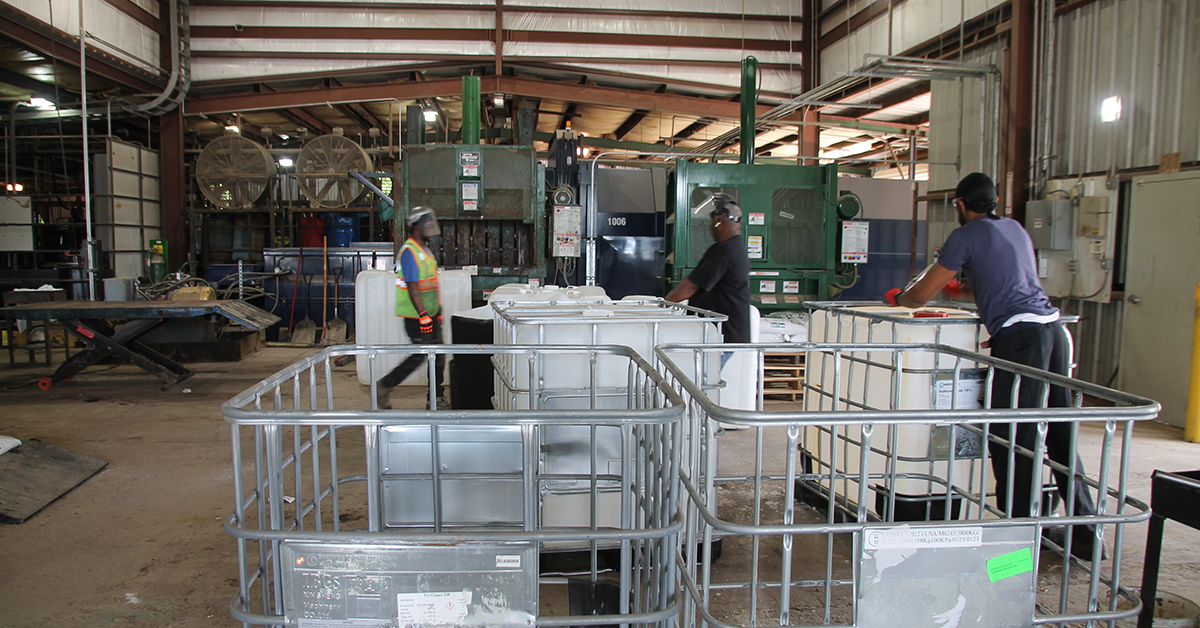
Plastic containers, typically manufactured from high-density polyethylene or polypropylene, deliver chemical resistance advantages and weight reduction benefits that directly impact handling efficiency and transport costs. These containers resist corrosion and eliminate concerns about rust or metal fatigue that can compromise container integrity over time. For operations requiring detailed container specifications and selection guidance, the Material Handling Bulk Containers guide provides comprehensive technical information for industrial applications.
Composite containers combine multiple materials to achieve specific performance objectives, often incorporating steel reinforcement with plastic components or utilizing advanced polymer blends. These engineered solutions target applications where neither pure steel nor plastic containers fully meet operational requirements, particularly in specialized chemical handling or extreme environment applications.
Structural Integrity and Load-Bearing Capacity
Steel containers maintain structural integrity under heavy loading conditions and resist deformation during stacking operations. The material’s strength characteristics allow for higher stacking configurations without compromising container shape or accessibility. Steel’s resistance to impact damage reduces container replacement frequency in demanding operational environments where containers experience rough handling or accidental impacts.
Plastic containers provide adequate structural support for most industrial applications while offering flexibility that prevents catastrophic failure under stress. The material’s ability to flex rather than crack under impact extends service life in applications where containers experience moderate physical stress. However, plastic containers may experience creep deformation under sustained heavy loads, particularly in elevated temperature environments.
Composite containers engineer specific strength characteristics by combining materials strategically. Steel-reinforced plastic containers maintain structural rigidity while reducing overall weight, while advanced polymer composites can achieve strength-to-weight ratios that exceed traditional materials in specific applications.
Chemical Compatibility and Environmental Resistance
Chemical compatibility requirements often determine material selection in industrial applications. Steel containers require protective coatings or specialized alloys when handling corrosive materials, and even minor coating damage can lead to progressive corrosion that compromises container integrity. The material’s susceptibility to chemical attack limits applications in certain chemical processing and pharmaceutical environments.
Plastic containers demonstrate superior chemical resistance across a broad range of industrial chemicals, acids, and cleaning solutions. The material’s non-reactive properties eliminate contamination concerns in food-grade applications and sensitive chemical processes. However, certain organic solvents and high-temperature chemicals can cause plastic degradation or permeation that affects container performance and contents quality.
Environmental factors including temperature fluctuations, UV exposure, and humidity levels affect material performance differently. Steel containers maintain dimensional stability across temperature ranges but require protection against moisture to prevent corrosion. Plastic containers resist moisture effects but may become brittle in extremely cold environments or soften under elevated temperatures.
Weight Considerations and Handling Efficiency
Container weight directly impacts handling efficiency, transport costs, and worker safety across material handling operations. Steel containers typically weigh significantly more than plastic or composite alternatives, affecting both manual handling requirements and mechanical handling equipment specifications. The additional weight reduces payload capacity in transportation applications and increases energy consumption in automated handling systems.
Weight differences become particularly significant in high-volume operations where containers move frequently throughout the facility. Manual handling operations benefit from lighter containers that reduce worker fatigue and injury risk, while automated systems may require less powerful equipment when handling lighter containers. However, container weight also contributes to stability during transport and storage, with heavier containers less susceptible to displacement during handling operations.
Transport and Storage Efficiency
Steel container weight reduces transport efficiency by decreasing payload-to-container weight ratios, resulting in higher shipping costs per unit of material transported. The additional weight may require upgraded material handling equipment and stronger storage structures to accommodate the increased load requirements. However, steel containers often stack more efficiently due to their structural rigidity and precise dimensional tolerances.
Plastic containers optimize transport efficiency through reduced tare weight that maximizes payload capacity within vehicle weight limits. The weight savings translate directly to reduced fuel consumption and lower transportation costs, particularly significant for operations with extensive distribution networks. Plastic containers also reduce facility infrastructure requirements since storage systems need not accommodate the additional weight of steel alternatives.
Composite containers balance weight reduction with structural requirements, often achieving weight savings compared to steel while maintaining better dimensional stability than pure plastic containers. The engineered material properties allow optimization for specific applications where weight reduction provides operational benefits without compromising container performance.
Ergonomic and Safety Implications
Container weight affects worker safety and operational efficiency in manual handling applications. According to OSHA material handling standards, container weight and design directly impact workplace safety requirements and recommended handling procedures. Lighter containers reduce injury risk and allow workers to handle containers more efficiently throughout their shifts.
Steel containers may require mechanical assistance or team lifting for safe handling, potentially slowing operations and requiring additional equipment investment. The weight factor becomes more critical in applications where containers require frequent movement or positioning at elevated heights. Plastic containers enable single-person handling in most applications, improving operational flexibility and reducing labor requirements for container management tasks.
Durability and Service Life Characteristics
Service life expectations vary significantly among material options, directly impacting total cost of ownership calculations and replacement planning requirements. Steel containers typically provide extended service life in appropriate applications, with proper maintenance enabling decades of reliable operation. The material’s resistance to wear and ability to withstand repeated use cycles make steel containers cost-effective for long-term, stable operations.
Plastic containers offer predictable service life characteristics with gradual degradation rather than sudden failure modes. UV exposure, chemical contact, and temperature cycling affect plastic container longevity, but failures typically develop gradually and remain visible during routine inspections. This predictable degradation pattern enables planned replacement scheduling that minimizes operational disruptions.
Composite containers engineer specific durability characteristics based on application requirements. Advanced composite materials can achieve service life that exceeds traditional materials while providing enhanced performance in specific environmental conditions or chemical exposure scenarios.
Maintenance Requirements and Operational Impact
Steel containers require periodic maintenance including coating inspection, rust prevention, and structural assessment to maintain optimal performance. Maintenance requirements increase in corrosive environments or applications involving frequent cleaning cycles. However, steel containers often accept repair procedures that extend service life, including welding, coating restoration, and component replacement.
Plastic containers require minimal maintenance but offer limited repair options when damage occurs. The material’s resistance to corrosion eliminates many maintenance concerns associated with steel containers, but physical damage typically necessitates complete container replacement. Cleaning procedures must accommodate plastic material limitations, particularly regarding temperature and chemical exposure during sanitation processes.
Cost Analysis and Economic Considerations
Initial acquisition costs represent only one component of total container ownership expenses, with operational costs, maintenance requirements, and service life significantly impacting long-term economics. Steel containers typically require higher upfront investment but may provide superior value in applications where durability and longevity outweigh initial cost considerations.
Plastic containers often provide favorable total cost of ownership in applications where their operational advantages translate to measurable cost savings. Reduced transportation costs, lower maintenance requirements, and improved handling efficiency can offset higher replacement frequency in appropriate applications. Economic analysis must consider facility-specific factors including handling volume, replacement logistics, and operational priorities.
Composite containers typically command premium pricing reflecting their engineered performance characteristics. The economic justification for composite containers depends on their ability to provide performance benefits that translate to operational cost savings or enable capabilities not achievable with traditional materials.
Operational Cost Impact
Transportation costs vary significantly based on container weight and handling characteristics. Plastic containers reduce fuel consumption and enable increased payload capacity, generating measurable cost savings in distribution-intensive operations. Steel containers may require additional handling equipment or labor resources that increase operational expenses but provide offsetting benefits through extended service life and enhanced durability.
Maintenance costs differ substantially among material options. Steel containers require ongoing maintenance investment but often accept repair procedures that extend service life cost-effectively. Plastic containers minimize maintenance expenses but require complete replacement when damage occurs, creating different cost profiles that favor different operational scenarios.
Application-Specific Selection Criteria
Optimal material selection depends on specific operational requirements, environmental conditions, and performance priorities that vary among industries and applications. Chemical processing operations prioritize chemical compatibility and contamination prevention, often favoring plastic or specialized composite materials despite higher replacement costs. Heavy manufacturing applications may prioritize durability and impact resistance, making steel containers the preferred choice despite weight and maintenance considerations.
Food and pharmaceutical applications must balance material performance with regulatory compliance requirements, often requiring specific material certifications or approval documentation. Automotive and aerospace industries may prioritize dimensional precision and consistent performance characteristics that influence material selection beyond basic functional requirements.
Environmental and Regulatory Factors
Environmental regulations and sustainability objectives increasingly influence material selection decisions. Steel containers offer superior recyclability and established recycling infrastructure, supporting circular economy objectives and reducing waste disposal costs. Plastic containers face increasing scrutiny regarding environmental impact, though advanced recycling technologies and bio-based materials provide improving sustainability profiles.
Regulatory requirements in specific industries may mandate particular materials or exclude others based on safety, contamination, or performance standards. Food safety regulations, chemical handling requirements, and pharmaceutical manufacturing standards often specify acceptable materials and performance characteristics that supersede general operational preferences.
Conclusion
Material selection for material handling bulk containers requires careful evaluation of operational requirements, cost considerations, and performance priorities specific to each application. Steel containers excel in demanding industrial environments where durability and structural integrity outweigh weight and maintenance considerations. Plastic containers optimize operational efficiency through reduced weight and maintenance requirements while providing excellent chemical resistance for sensitive applications.
Composite containers offer engineered solutions for specialized applications where traditional materials cannot fully meet performance requirements. The selection process must consider total cost of ownership, operational impact, and long-term strategic objectives rather than focusing solely on initial acquisition costs.
Successful material selection aligns container characteristics with operational realities, supporting both immediate workflow requirements and long-term business objectives. Operations teams benefit from systematic evaluation of their specific requirements against material capabilities to ensure optimal performance and cost-effectiveness across their material handling operations.