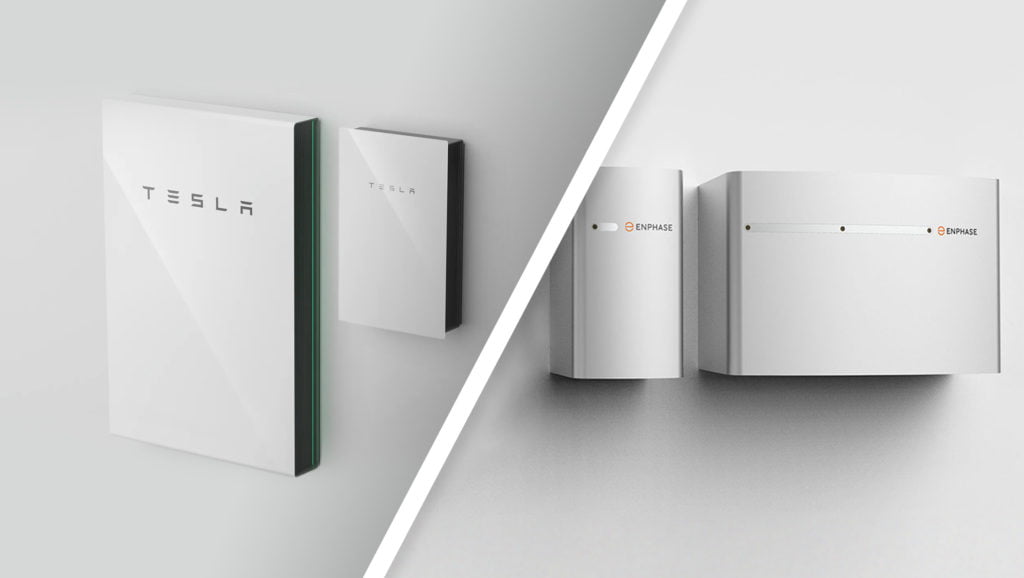

San Diego homeowners face a unique energy challenge that extends beyond simple cost savings. The region’s combination of high electricity rates, frequent wildfire-related power shutoffs, and intense summer heat creates a complex operational environment where backup power isn’t just convenient—it’s essential for maintaining basic household functions. When Pacific Gas & Electric or San Diego Gas & Electric implement Public Safety Power Shutoffs during high wind conditions, residents can lose power for days while temperatures remain uncomfortably high.
The decision between home battery systems has shifted from a luxury consideration to a practical necessity for many households. Unlike regions with predictable weather patterns and stable grid conditions, San Diego’s climate demands battery systems that can handle sustained high temperatures while providing reliable backup power during extended outages. The performance differences between major battery technologies become amplified under these specific conditions, making the choice between Tesla Powerwall, Generac PWRcell, and Enphase systems more critical than in milder climates.
Each of these three leading battery technologies approaches energy storage differently, with distinct implications for how they perform in Southern California’s demanding environment. Understanding these differences requires looking beyond basic specifications to examine how each system responds to real-world operational stresses.
Battery Chemistry Performance Under High Heat Conditions
Lithium-ion battery performance degrades predictably as ambient temperatures rise, but the rate and impact of this degradation varies significantly between different battery chemistries and thermal management approaches. San Diego’s summer temperatures routinely exceed the optimal operating range for most battery systems, creating sustained stress conditions that can reduce both immediate performance and long-term system lifespan. Professional tesla powerwall installation san diego services must account for these thermal challenges when positioning and configuring battery systems to ensure reliable operation during the hottest months.
Tesla Powerwall units utilize nickel-manganese-cobalt chemistry with integrated liquid cooling systems designed to maintain optimal operating temperatures even during extreme heat events. This active thermal management approach allows the system to maintain consistent power output and charging efficiency when ambient temperatures climb above recommended ranges. The cooling system operates automatically, drawing minimal power from the battery reserve to protect the overall system integrity.
Generac PWRcell systems employ lithium iron phosphate chemistry, which demonstrates inherently better heat tolerance compared to other lithium-ion variants. This chemistry remains stable at higher temperatures without requiring active cooling systems, instead relying on passive thermal management through strategic ventilation and heat dissipation design. The trade-off involves slightly lower energy density, meaning larger physical installations for equivalent storage capacity.
Thermal Management Impact on System Reliability
The effectiveness of thermal management directly influences system availability during peak demand periods. When air conditioning loads are highest and grid stability is most questionable, battery systems must maintain full operational capacity despite elevated ambient temperatures. Active cooling systems like those in Tesla units provide more precise temperature control but introduce additional mechanical components that require maintenance and consume stored energy.
Passive cooling approaches used in Generac systems eliminate mechanical failure points but depend more heavily on proper installation positioning and adequate ventilation. In San Diego’s climate, this means careful consideration of installation locations to avoid direct sun exposure and ensure adequate airflow around battery units.
Long-Term Performance Degradation Patterns
Heat exposure accelerates the chemical processes that gradually reduce battery capacity over time. Systems operating consistently at elevated temperatures will experience faster degradation rates, reducing both storage capacity and power output capabilities over their operational lifetime. The compounding effect of heat stress becomes particularly relevant for homeowners planning to rely on their battery systems for many years of service.
Different battery chemistries respond to this thermal stress in distinct ways. Lithium iron phosphate systems generally maintain higher percentages of their original capacity after thousands of charge cycles, even under elevated temperature conditions. Nickel-based chemistries can provide higher initial performance but may show more pronounced degradation over time when subjected to consistent heat stress.
Grid Integration and Islanding Capabilities During Outages
San Diego’s power grid experiences both planned shutoffs and unexpected outages, creating scenarios where battery systems must transition seamlessly between grid-connected and islanded operation modes. This transition capability determines whether critical household systems remain operational during the first moments of an outage, when sensitive electronics and medical equipment are most vulnerable to power disruptions.
Tesla Powerwall systems integrate with the home’s electrical panel through a dedicated gateway device that monitors grid conditions continuously. When grid power becomes unavailable, the system can island critical circuits within milliseconds, maintaining power to designated loads without interruption. This rapid response capability proves essential for protecting computers, networking equipment, and medical devices that cannot tolerate even brief power interruptions.
Generac PWRcell systems utilize a similar approach but integrate more directly with whole-home generator systems for extended outage scenarios. The battery system handles immediate backup power needs while communicating with natural gas or propane generators to provide longer-term power security. This integrated approach works particularly well for households that already rely on backup generators during wildfire season.
Load Management During Extended Outages
Battery capacity becomes a finite resource during multi-day outages, requiring intelligent load management to extend operational time for critical systems. Advanced battery systems can prioritize essential loads like refrigeration and medical equipment while temporarily disconnecting non-critical systems like pool pumps and electric vehicle charging during peak demand periods.
The sophistication of load management algorithms varies significantly between systems. Tesla’s software continuously optimizes power distribution based on historical usage patterns and real-time demand, automatically adjusting to extend battery life during prolonged outages. Generac systems focus more heavily on integration with existing generator infrastructure, using the battery as a bridge between grid power and generator startup.
Enphase systems take a more modular approach, allowing individual circuits to be managed independently based on priority levels set during installation. This granular control enables precise load management but requires more detailed initial configuration to optimize performance during emergency scenarios.
Solar Integration and Charging Efficiency
San Diego’s abundant sunshine provides significant opportunities for solar charging during daytime hours, but the efficiency of this charging process varies between battery systems. High charging efficiency becomes crucial during winter months when available solar production decreases and during extended outages when every available kilowatt-hour must be captured effectively.
Each battery system approaches solar integration differently, with implications for overall system efficiency and performance. Direct current coupling systems can achieve higher efficiency rates by avoiding multiple power conversions, while alternating current coupled systems offer more flexibility in system design and expansion capabilities.
Installation Requirements and Physical Constraints
San Diego’s building codes and climate conditions create specific installation requirements that can influence the practical feasibility of different battery systems. Coastal areas must account for salt air exposure, while inland regions face more extreme temperature variations that affect mounting and ventilation requirements. These physical constraints often determine which battery systems can be successfully installed in particular locations.
Tesla Powerwall units require wall mounting in locations protected from direct weather exposure, with specific clearance requirements for ventilation and service access. The integrated design simplifies installation but limits placement options in homes with space constraints or unusual architectural features. Coastal installations must include additional protective measures to prevent corrosion from salt air exposure.
Generac PWRcell systems offer more flexible mounting options, including ground-mounted configurations that work well for homes without suitable wall space. The modular design allows capacity expansion over time but requires more complex electrical connections and greater space allocation for larger installations. According to the Department of Energy, proper installation practices significantly impact both system performance and eligibility for federal tax incentives.
Maintenance Access and Service Requirements
Regular maintenance becomes more critical in San Diego’s environment due to dust accumulation, temperature cycling, and salt air exposure in coastal areas. Battery systems must remain accessible for periodic inspection, cleaning, and component replacement without requiring major disruption to household operations.
Tesla systems require minimal routine maintenance but depend on software updates and remote monitoring to maintain optimal performance. When service is needed, the integrated design may require complete unit replacement rather than component-level repairs. This approach minimizes maintenance complexity but can extend service interruptions when problems occur.
Generac systems allow more granular maintenance and repair approaches, with individual battery modules and components accessible for service. This modularity can reduce service costs and downtime for minor issues but requires more sophisticated technical knowledge for proper maintenance procedures.
Expansion and Scalability Considerations
Energy storage needs often evolve as households add electric vehicles, expand air conditioning systems, or install additional solar capacity. The ability to expand battery storage incrementally can provide significant long-term value compared to systems that require complete replacement for capacity increases.
Enphase systems excel in scalability, with individual battery units that can be added incrementally as needs grow. This approach allows homeowners to start with minimal capacity and expand over time based on actual usage patterns and changing requirements. Each unit operates independently, providing redundancy that maintains partial system function even when individual components require service.
Cost Effectiveness and Financial Performance
The total cost of ownership for home battery systems extends well beyond initial purchase price to include installation complexity, maintenance requirements, performance degradation, and replacement costs over the system’s operational lifetime. San Diego’s high electricity rates and time-of-use pricing structures create opportunities for significant savings through strategic battery operation, but these savings vary considerably between different system types.
Tesla Powerwall systems command premium pricing but offer integrated software that optimizes charging and discharging cycles to maximize financial returns under San Diego Gas & Electric’s rate structures. The system learns household usage patterns and automatically adjusts operation to reduce peak-time electricity consumption while maintaining adequate backup power reserves.
Generac PWRcell systems typically offer lower initial costs, especially when integrated with existing generator systems, but may require additional components for optimal solar integration. The modular design allows homeowners to start with smaller capacity installations and expand over time, spreading costs across multiple years while matching system capacity to evolving needs.
Incentive Programs and Rebate Optimization
California’s Self-Generation Incentive Program provides substantial rebates for battery storage systems, but eligibility requirements and payment structures favor certain system types and installation approaches. Understanding these incentive structures can significantly impact the net cost and financial performance of different battery options.
The program’s emphasis on systems that can provide backup power during emergencies aligns well with Tesla and Generac systems that offer whole-home backup capabilities. Enphase systems may qualify for different incentive tiers based on their integration approach and backup power capabilities.
Conclusion
The choice between Tesla Powerwall, Generac PWRcell, and Enphase battery systems for San Diego applications ultimately depends on specific household priorities and operational requirements. Tesla systems offer the most sophisticated software integration and thermal management, making them well-suited for homeowners who prioritize automated operation and maximum backup power reliability. Generac systems provide excellent value for households with existing generator infrastructure and those who prefer modular expansion capabilities. Enphase systems excel in scalability and redundancy, offering the most flexible approach to system sizing and future expansion.
San Diego’s challenging climate conditions amplify the importance of proper system selection and installation. The combination of high temperatures, frequent outages, and elevated electricity rates creates an environment where battery performance differences become magnified over time. Homeowners must consider not just initial capabilities but long-term performance under sustained thermal stress and the ability to maintain reliable operation during the extended outage scenarios that characterize wildfire season in Southern California.
Success with any battery system requires careful attention to installation requirements, ongoing maintenance needs, and integration with existing electrical systems. The most technically advanced system will underperform if poorly installed or maintained, while a simpler system with proper installation and operation can provide years of reliable service. Working with experienced installers who understand both the technical requirements and local environmental challenges ensures optimal performance regardless of which battery technology is selected.