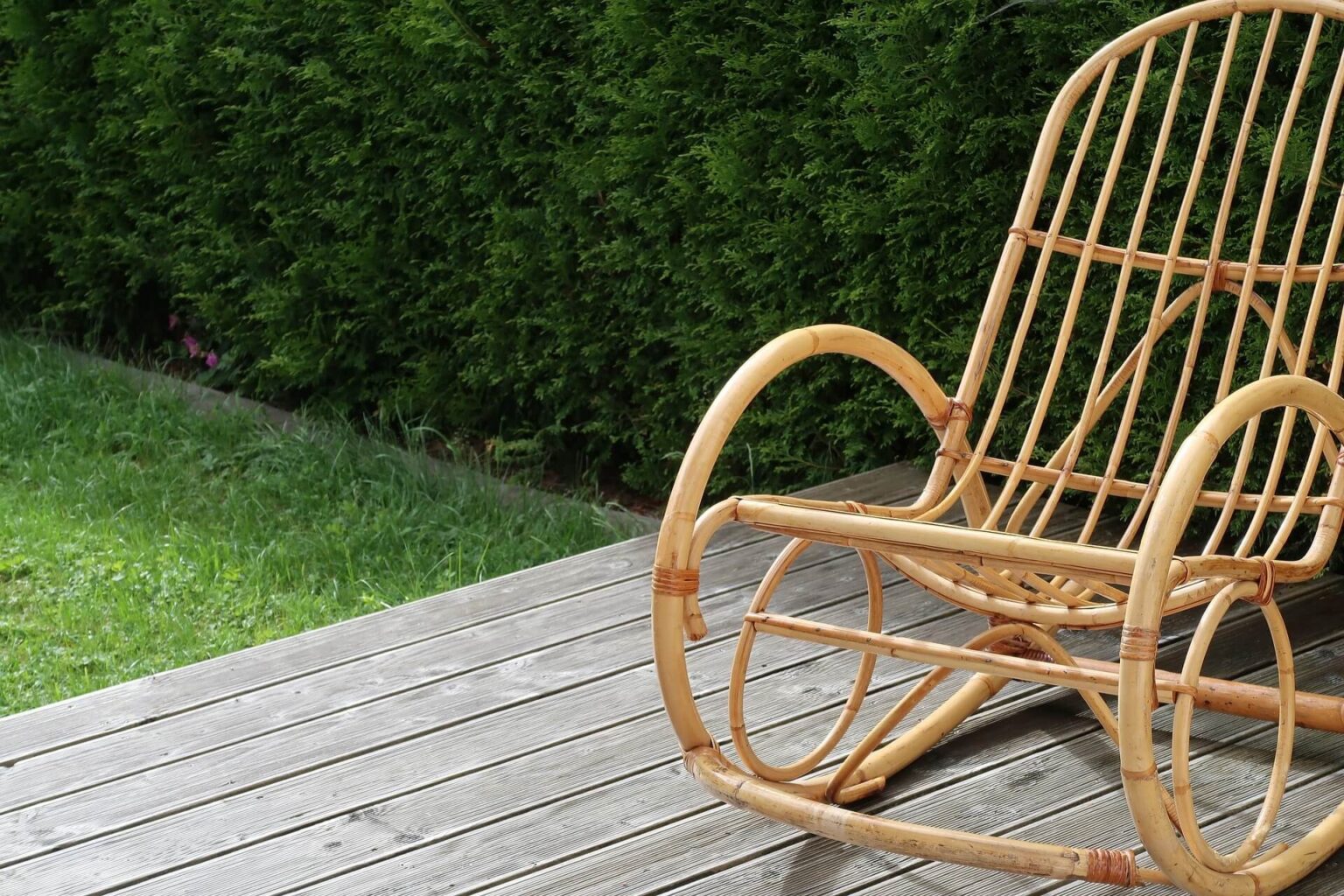

Is wooden decking the right choice for your garden, or are you better served by modern alternatives? It’s a question facing thousands of homeowners embarking on outdoor renovation projects, and the answer isn’t as straightforward as marketing materials might suggest. Whilst wooden decking undeniably offers natural beauty and timeless appeal, it also demands realistic expectations about maintenance, longevity, and long-term costs. Before you commit to this popular garden enhancement, discover the honest truth about what wooden decking can—and cannot—deliver for your outdoor living ambitions.
In recent years, the concept of outdoor living has gained remarkable traction amongst homeowners, leading to an increased interest in enhancing external spaces. A popular choice in this trend is wooden garden decking, which not only elevates the aesthetic appeal of a garden but also enhances the overall value and lifestyle associated with a home. As outdoor spaces become an extension of indoor living areas, wooden decking stands out as a versatile and stylish option, offering both beauty and functionality.
Understanding Wood Species: Choosing the Right Timber for Your Deck
The choice of wood species significantly impacts your decking’s performance, appearance, and longevity. Timber options generally fall into two categories: softwoods and hardwoods, each offering distinct characteristics.
- Softwood Options: Despite their name, softwoods like pressure-treated pine, cedar, and spruce are popular choices for decking. Pressure-treated pine offers excellent value and rot resistance due to chemical treatments. Cedar provides natural resistance to decay and insects whilst remaining cool underfoot, making it particularly comfortable during warm weather. These woods typically grow faster than hardwoods, making them more affordable and readily available.
- Hardwood Options: Premium hardwoods such as teak, ipe (Brazilian walnut), and oak deliver exceptional durability and stunning visual appeal. Teak contains natural oils that resist moisture, decay, and insects, whilst ipe ranks amongst the hardest woods available, offering incredible strength and a rich, dark appearance. These species command higher prices but can last 25-40 years with proper maintenance, making them worthwhile investments for discerning homeowners.
Aesthetic Appeal: Enhancing Your Garden’s Visuals
Wooden garden decking is a transformative element that can dramatically alter the visual landscape of any garden. With a wide array of styles and finishes, it seamlessly complements various home designs, from traditional to modern. The natural texture and warmth of wood provide an inviting atmosphere, making it an ideal focal point for outdoor spaces. Whether homeowners prefer a sleek, contemporary look or a rustic, natural finish, wooden decking offers the flexibility to match personal tastes and enhance the garden’s overall design.
Design Patterns and Layouts: The arrangement of decking boards significantly influences the overall aesthetic. Popular patterns include straight runs for a classic look, diagonal layouts that create visual interest and make spaces appear larger, herringbone patterns for sophisticated elegance, and picture frame borders that provide a polished, finished appearance. Each pattern can be tailored to complement your home’s architecture and garden style.
Functional Benefits: Expanding Usable Space
Beyond aesthetics, wooden decking serves a functional purpose by expanding usable outdoor space. It creates additional areas for entertaining, dining, or simply relaxing in the open air. Decking can also improve access to different garden zones, adding functionality and flow to the layout of the outdoor area. By defining specific areas such as dining zones or lounging spaces, decking enhances the utility of the garden, making it a versatile extension of the home.
Multi-Level Designs: For gardens with slopes or varying elevations, multi-level decking creates distinct functional zones whilst addressing practical challenges. Stepped decking can incorporate built-in seating, planters, or even water features, transforming challenging terrain into a striking architectural feature that maximises your garden’s potential.
Safety Considerations: Slip Resistance and Weather Performance
Safety should be a paramount concern when selecting and maintaining wooden decking. Different wood species and finishes offer varying levels of slip resistance, particularly important in the UK’s damp climate.
Surface Treatments: Anti-slip treatments, textured finishes, and grooved decking boards significantly improve traction, especially when wet. Many homeowners opt for ribbed or grooved boards that channel water away whilst providing better grip. Regular cleaning to remove algae and moss growth is essential, as these organic materials create hazardous slippery surfaces.
Structural Safety: Proper installation includes ensuring adequate spacing between boards for drainage, appropriate joist spacing to prevent sagging, and secure railings for elevated decks. In the UK, decks over 300mm high typically require planning permission and must comply with building regulations, including requirements for balustrades and guardrails.
Durability and Maintenance: Long-Term Investment
Investing in quality wooden decking is a commitment to a long-lasting outdoor feature. When properly maintained, wooden decking can endure the elements and remain a beautiful part of the garden for years. Regular maintenance practices such as sealing and staining are essential to protect the wood and maintain its aesthetic integrity. Compared to composite materials, which can last 25-30 years, properly maintained wooden decking can last 10-15 years on average, though premium hardwoods like teak, ipe, or cedar can last significantly longer—up to 25-40 years with proper care.
Key Maintenance Tips:
- Regular Cleaning: Remove debris and dirt to prevent mould and decay. Sweep weekly and wash with appropriate cleaning solutions quarterly to maintain appearance and prevent organic growth.
- Sealing and Staining: Apply sealants and stains every 1-3 years to protect against weathering. The frequency depends on climate, wood type, and product quality. High-traffic areas and harsh climates may require more frequent treatment. Always clean thoroughly before reapplication.
- Inspect for Damage: Regularly check for signs of wear or damage and address them promptly. Look for loose boards, protruding nails, splintering, rot, or insect damage. Early detection prevents minor issues from becoming costly repairs.
- Seasonal Preparations: Before winter, ensure proper drainage to prevent water pooling and ice formation. In spring, conduct thorough inspections and address any damage caused by freezing temperatures or moisture accumulation.
Installation Methods: Attached vs. Freestanding Structures
Understanding installation options helps homeowners make informed decisions about their decking project.
Attached Decking: Fixed to the house structure via a ledger board, attached decks create seamless transitions between indoor and outdoor spaces. This method requires careful attention to damp-proof coursing and proper flashing to prevent moisture ingress into the home. Building regulations often apply, particularly regarding structural integrity and fire safety.
Freestanding Decking: Independent structures not attached to the house offer greater flexibility in placement and typically face fewer regulatory requirements. Freestanding decks under 300mm high and not adjacent to boundaries often don’t require planning permission, making them popular for DIY enthusiasts.
Environmental Considerations: Sustainable Choices in Decking
In today’s environmentally conscious world, choosing sustainably sourced timber for decking projects is of paramount importance. Opting for eco-friendly treatments and finishes not only enhances the decking’s durability but also minimises environmental impact. Homeowners should look for certifications like the Forest Stewardship Council (FSC) to ensure the timber is sourced responsibly. By making sustainable choices, individuals can enjoy their outdoor spaces whilst contributing to environmental preservation.
Carbon Footprint: Wood is a renewable resource that stores carbon throughout its lifespan, making it an environmentally preferable choice compared to plastic-based alternatives. Sustainably managed forests ensure new trees replace harvested ones, maintaining the carbon cycle. Additionally, wood requires significantly less energy to process than composite materials, further reducing its environmental impact.
Cost-Effectiveness: Understanding the Value of Quality Decking
Whilst initial costs might seem higher for quality timber, wooden garden decking can prove cost-effective depending on the specific circumstances. The durability and maintenance needs of quality timber must be weighed against alternatives. Budgeting for a decking project includes considering the potential return on investment (ROI), as well-constructed decking can significantly enhance property value and appeal. It’s important to note that whilst wooden decking typically has lower upfront costs than composite materials, it requires more maintenance over time. Composite decking, though more expensive initially, requires virtually no maintenance and offers longer lifespans (25-30+ years), potentially making it more cost-effective in the long term.
Budget Planning: A comprehensive budget should include materials, installation (professional or DIY tools), initial treatments, ongoing maintenance products, and potential repairs. Quality timber may cost 20-40% more initially but often delivers better value through enhanced durability and appearance.
Enhancing Your Deck: Lighting and Accessories
Thoughtful additions can transform a simple deck into an extraordinary outdoor living space.
Lighting Solutions: Integrated lighting extends deck usability into evening hours whilst enhancing safety and ambiance. Popular options include LED post cap lights for perimeter definition, recessed deck lights embedded between boards for subtle illumination, stair riser lights for safety on steps, and string lights or lanterns for atmospheric charm. Solar-powered options offer energy efficiency and easy installation without electrical work.
Furniture Integration: Built-in seating, planters, and storage benches maximise space efficiency whilst creating a cohesive design. Pergolas or shade structures provide weather protection and define outdoor rooms. Consider incorporating outdoor kitchens, fire pits, or water features to create a truly bespoke entertainment space.
Inspiration: Real-Life Applications of Wooden Decking
Wooden decking is a versatile element that can be tailored to fit various garden styles. From sleek, modern designs to charming, rustic setups, the possibilities are endless. Homeowners can draw inspiration from general examples of successful decking installations, imagining how similar designs could transform their own spaces. Whether integrating decking into a minimalist garden or using it to accentuate a lush, floral landscape, the potential for creativity is vast.
Contemporary Applications: Modern homes often feature clean-lined decking with hidden fixings, monochromatic colour schemes, and integrated lighting. Glass or metal railings maintain sightlines whilst providing safety.
Traditional Settings: Period properties benefit from classic decking designs using natural wood tones, traditional balustrades, and sympathetic materials that complement existing architecture. Victorian or Edwardian homes particularly suit rich, dark hardwoods with ornate detailing.
Planning Permission and Building Regulations
Understanding legal requirements prevents costly mistakes and ensures compliance.
When Permission is Required: In the UK, planning permission is typically needed for decking that exceeds 300mm in height, covers more than 50% of the garden area, or is located near boundaries. Listed buildings and conservation areas face additional restrictions.
Building Regulations: Elevated decks must comply with structural safety standards, including load-bearing capacity, balustrade height (minimum 1100mm for elevated decks), and fire safety considerations for decks attached to buildings.
Embracing the Benefits of Wooden Garden Decking
In summary, wooden garden decking offers a multitude of benefits that enhance both the visual and functional aspects of outdoor spaces. Its aesthetic versatility, combined with practical advantages and potential long-term value, makes it a worthwhile consideration for any homeowner. Those considering an upgrade to their garden should explore the potential of wooden garden decking as a valuable addition. For those ready to transform their outdoor space, exploring high-quality decking options can be the first step towards creating a beautiful and functional garden haven.