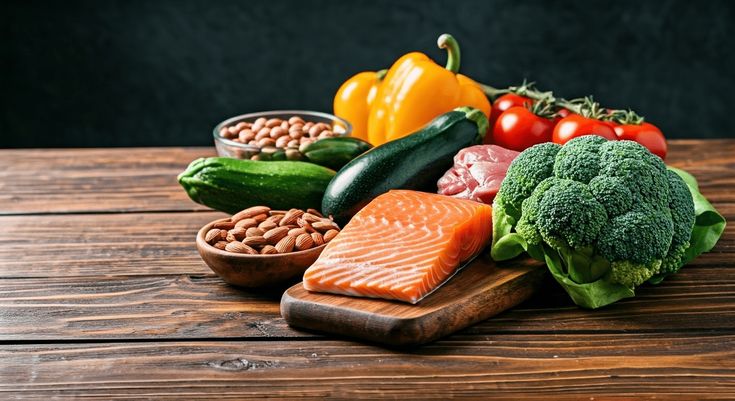

Are you looking for a way to eat healthier without sacrificing flavor? The veg low carb diet might be just what you need. Combining the principles of vegetarianism with low carbohydrate intake, this lifestyle offers a fresh approach to nutrition. Whether you’re aiming to lose weight, improve your health, or simply explore new culinary adventures, there’s much to discover in this vibrant world of plant-based eating. Imagine delicious meals filled with colorful veggies and wholesome ingredients that nourish your body while keeping carbs in check. Let’s dive deeper into what a vegetarian low carb diet entails and how it can transform your eating habits!
What is a Vegetarian Low Carb Diet?
A vegetarian low carb diet focuses on plant-based foods while significantly reducing carbohydrate intake. Unlike traditional vegetarian diets that may include grains and sugars, this approach emphasizes non-starchy vegetables, healthy fats, and protein sources.
Think leafy greens like spinach, kale, and broccoli paired with legumes such as lentils or chickpeas for a hearty meal. Tofu and tempeh also provide ample protein without the added carbs found in many animal products.
This diet encourages you to explore various ingredients that deliver essential nutrients while keeping your blood sugar stable. By limiting high-carb foods like bread and pasta, you can enjoy innovative dishes filled with flavor and texture instead of feeling weighed down by heavy meals.
The focus is on wholesome choices that keep your energy levels up throughout the day while offering a satisfying way to maintain a vegetarian lifestyle.
Benefits of a Vegetarian Low Carb Diet
A vegetarian low carb diet offers numerous advantages for those seeking a healthier lifestyle. One of the most significant benefits is weight management. By reducing carbohydrate intake, you can effectively lower your calorie consumption, promoting weight loss without feeling deprived.
This diet also enhances energy levels. With fewer carbs to cause spikes and crashes in blood sugar, you’ll experience steadier energy throughout the day. This leads to better focus and productivity.
Moreover, embracing plant-based foods increases your nutrient intake. You’ll consume more vitamins, minerals, and antioxidants from vegetables and legumes that support overall health.
Heart health improves as well due to reduced saturated fats often found in animal products. A vegetarian low carb approach promotes healthy cholesterol levels.
Additionally, this diet may reduce inflammation in the body. Many plant-based foods possess anti-inflammatory properties that aid recovery and boost immunity over time.
Potential Challenges and How to Overcome Them
Adopting a veg low carb diet can come with its own set of challenges. One common issue is getting enough protein. Unlike meat-eaters, vegetarians need to be creative with plant-based sources like lentils, tofu, and tempeh.
Another hurdle is ensuring variety in meals. It’s easy to fall into the same routine when cooking without familiar staples like rice or pasta. Experimenting with different vegetables and spices can keep things exciting.
Cravings for traditional comfort foods might also arise. When this happens, consider healthier substitutes that fit your dietary needs; cauliflower rice or zucchini noodles are great options.
Dining out can pose difficulties. Many restaurants focus on high-carb dishes for vegetarians. Researching menus in advance allows you to make informed choices without feeling overwhelmed at the table.
Staying organized and planning ahead can help mitigate these potential pitfalls as you navigate your journey on a vegetarian low carb diet.
Foods to Include in a Vegetarian Low Carb Diet
When following a veg low carb diet, focus on nutrient-dense foods. Leafy greens like spinach, kale, and Swiss chard are fantastic choices. They’re low in carbs yet packed with vitamins.
Cruciferous vegetables such as broccoli, cauliflower, and Brussels sprouts can be your best friends. These veggies provide fiber while keeping your carbohydrate intake minimal.
Don’t forget about legumes! While they contain some carbs, their protein content is beneficial for a balanced meal. Lentils and chickpeas are great options when portioned carefully.
Nuts and seeds add healthy fats along with crunch to your meals. Almonds, walnuts, chia seeds, and flaxseeds contribute essential nutrients without the carb load.
Incorporate high-quality plant-based proteins like tofu or tempeh. They can easily take center stage in any dish while remaining compliant with the low-carb guideline of this vegetarian lifestyle.
Sample Meal Plan for a Week
Creating a week-long meal plan can simplify your vegetarian low carb diet. Here’s a simple guide to keep you on track.
On Monday, start with chia seed pudding topped with berries for breakfast. For lunch, enjoy a spinach salad with avocado and walnuts. Dinner could feature cauliflower rice stir-fried with mixed vegetables and tofu.
Tuesday’s breakfast might be an omelet filled with bell peppers and cheese. A hearty zucchini noodle bowl awaits at lunch, paired with pesto sauce. End the day savoring roasted Brussels sprouts alongside grilled portobello mushrooms.
Midweek brings overnight oats made from almond milk for Wednesday morning. Grab some vegetable soup for lunch, followed by baked eggplant Parmesan in the evening.
Continue experimenting through the rest of the week! Incorporate foods like Greek yogurt, nuts, or various leafy greens to provide variety while maintaining low carbs. Feel free to adjust portion sizes based on your hunger levels too!
Tips for Eating Out on a Vegetarian Low Carb Diet
Navigating a restaurant menu on a veg low carb diet can be tricky, but it’s entirely doable. Start by researching the restaurant beforehand. Look for places that offer vegetarian options and highlight healthy choices.
When you arrive, don’t hesitate to ask questions about the menu items. Chefs are often willing to accommodate dietary requests. You might request extra veggies instead of grains or ask for sauces on the side.
Consider appetizers as your main meal. Many contain nutritious vegetables that align with your diet while keeping carbs lower than traditional entrees.
Keep an eye out for salads but skip heavy dressings or croutons. Opt for olive oil and vinegar instead; it’s both tasty and low in carbs! Remember to enjoy yourself—eating out is about savoring good food and company too!
Conclusion: Is a Vegetarian Low Carb Diet Right for You?
When considering a vegetarian low carb diet, it’s essential to reflect on your personal goals and lifestyle. This dietary approach can offer numerous benefits, such as weight loss, improved energy levels, and better blood sugar control. However, it also presents some challenges that may require thoughtful planning.
If you find joy in plant-based foods and are looking for ways to reduce carbohydrates without sacrificing flavor or nutrition, this could be an excellent fit for you. Embracing whole foods like leafy greens, avocados, nuts, and seeds will not only keep your meals exciting but also support your health.
Before making any significant changes to your eating habits—especially if you have specific health conditions—it’s wise to consult with a healthcare provider or nutritionist. They can help tailor the plan according to your needs while ensuring you’re getting all necessary nutrients.
Whether a vegetarian low carb diet is right for you depends on how well it aligns with your preferences and lifestyle choices. If you’re ready for a culinary adventure filled with vibrant veggies and satisfying recipes while keeping carbs in check, this might just be the perfect path forward for you.