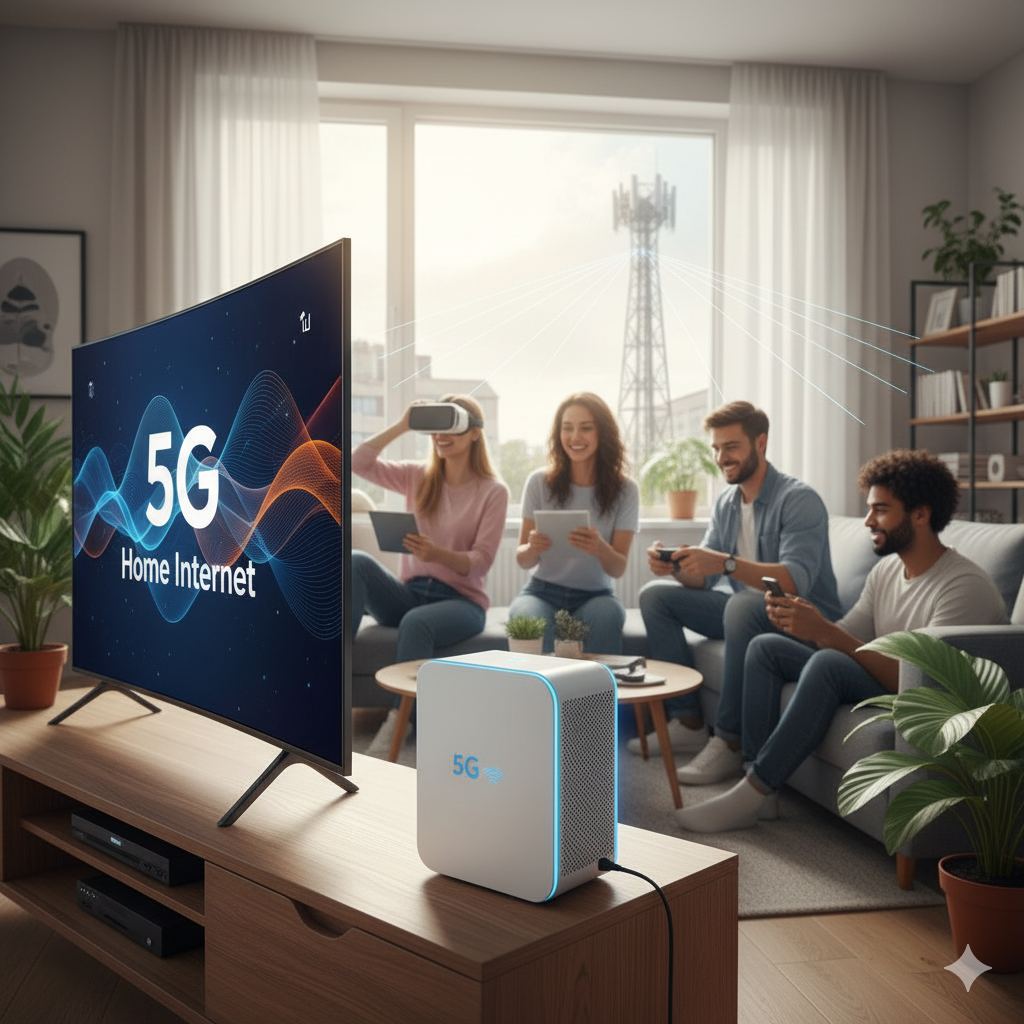

Imagine browsing the internet at lightning speed, streaming your favorite shows in ultra-high definition without a hitch, and connecting multiple devices seamlessly—all from the comfort of your home. Welcome to the world of 5G Home Internet! This next-generation technology promises to revolutionize how we connect and interact with our digital lives. If you’ve been hearing buzz about 5G but aren’t quite sure what it means for your home internet experience, you’re not alone. In this post, we’ll explore what 5G Home Internet is all about and why it could be a game-changer for households everywhere. Get ready to dive into the future of connectivity!
Understanding 5G Technology
5G technology represents the next leap in wireless communication. It’s designed to enhance speed, reduce latency, and support a massive number of devices simultaneously.
At its core, 5G operates on higher frequency bands known as millimeter waves. This allows for faster data transmission compared to previous generations like 4G. However, these higher frequencies have shorter ranges and can be obstructed by physical barriers such as buildings or trees.
In addition to improved speeds, 5G introduces advanced features like network slicing. This enables providers to create virtual networks tailored for specific needs—be it gaming, streaming, or smart home applications.
The architecture is also more efficient. With small cells distributed throughout urban areas, connectivity becomes robust even in densely populated regions. Such advancements pave the way for innovations that could transform everyday life through enhanced connectivity options across various sectors.
Benefits of 5G Home Internet
One of the most significant benefits of 5G Home Internet is speed. Users can experience lightning-fast download and upload speeds, often exceeding traditional broadband connections. This means streaming high-definition content or downloading large files becomes a breeze.
Low latency is another game-changer. With reduced lag time, online gaming and video conferencing become smoother and more enjoyable. Real-time interactions are seamless, making activities like remote work far less frustrating.
Additionally, 5G offers enhanced connectivity for multiple devices simultaneously. Households with numerous smart gadgets will find their internet performance remains stable even under heavy usage.
Reliability plays a crucial role as well. With fewer interruptions or outages compared to older technologies, users can depend on a consistent connection for everyday tasks.
The deployment of 5G technology promotes competition among providers, which could lead to better pricing options and services available in the market.
Limitations and Challenges of 5G Home Internet
While 5G Home Internet offers impressive speeds, it comes with its own set of challenges. Coverage can be patchy, especially in rural areas where infrastructure is still developing. This means some users may experience inconsistent service.
Another issue is that 5G technology relies on higher frequency bands. These frequencies have shorter ranges and can struggle to penetrate obstacles like walls or trees. As a result, users might need closer proximity to the router for optimal performance.
Cost could also be a barrier. Many providers charge premium rates for 5G services compared to traditional internet options.
Moreover, there are concerns regarding network congestion during peak usage times. When too many devices connect simultaneously, speeds may drop significantly.
Issues related to security and privacy remain critical as more devices become interconnected through this new technology. Users must stay vigilant about their online safety while enjoying the benefits of lightning-fast internet connections.
How to Get 5G Home Internet
Getting 5G Home Internet is becoming increasingly straightforward. First, check if your area has coverage. Many providers have maps available online that show the reach of their 5G networks.
Once you confirm availability, compare plans from different service providers. Look for speeds, data limits, and pricing options that suit your needs.
Next, sign up for a plan either through the provider’s website or by visiting a local store. Some companies may offer promotions or discounts for new customers.
After signing up, you’ll typically receive equipment like a router or modem in the mail. Setting it up at home is usually as simple as plugging it in and following instructions provided.
For optimal performance, place the device near windows to minimize obstructions. This helps ensure you get the best signal possible throughout your living space.
Comparison with other types of home internet
5G Home Internet stands out when compared to traditional broadband options like DSL and cable. Its speed is a game changer, often reaching up to 1 Gbps or more. This offers seamless streaming and gaming experiences without the frustrating lag.
Latency also plays a significant role. With 5G, you can expect lower response times than with DSL or cable connections. That makes online activities much smoother, especially for gamers who rely on quick reactions.
In terms of installation, 5G requires minimal setup. Unlike fiber-optic networks that need extensive cabling, you simply connect your device to a router using wireless technology.
However, it’s essential to consider coverage areas. While many urban locations benefit from strong signals, rural areas may still struggle with consistent access compared to established wired services that offer wider reach and reliability.
Future of 5G Home Internet and its impact on society
The future of 5G Home Internet promises to revolutionize everyday life. As this technology becomes more widespread, it will enhance connectivity in urban and rural areas alike.
Smart homes will thrive with ultra-fast internet speeds, enabling seamless integration of devices from thermostats to security systems. This connectivity can lead to greater efficiency and convenience in daily tasks.
Education may also transform dramatically. With reliable access, remote learning opportunities expand significantly for students everywhere. They can engage with high-quality content and collaborative tools without limitations.
In healthcare, telemedicine could become the norm, allowing doctors to monitor patients remotely in real-time. This shift improves accessibility while reducing wait times for appointments.
As society embraces 5G Home Internet, new industries may emerge around its capabilities. Innovation will flourish as businesses adapt to leverage faster connections and smarter technologies that were once just a vision.
Conclusion
5G Home Internet is reshaping how we connect to the digital world. With its lightning-fast speeds and reliable connectivity, it offers a new realm of possibilities for households everywhere. As technology continues to evolve, the benefits become evident—streaming, gaming, remote work, and smart home devices can all operate seamlessly.
However, challenges remain. Coverage may not yet reach every corner of urban or rural areas. Additionally, some users might experience variability in performance based on their location and obstacles like buildings or trees.
As more service providers expand their 5G networks, obtaining 5G Home Internet will likely become easier for consumers. The competition could lead to better pricing and packages tailored to various needs.
When comparing 5G with other internet types like fiber-optic or cable connections, it’s clear that while each has its advantages and drawbacks—speed versus availability being a common theme—5G stands out as a flexible option especially suited for today’s digital lifestyle.
Looking ahead, the impact of widespread 5G adoption on society could be profound. It promises advancements in telemedicine, education access disparities can be reduced; smart cities powered by interconnected devices may emerge rapidly.
The rollout of 5G Home Internet signals an exciting shift towards faster and more efficient ways to communicate and interact with our world around us.