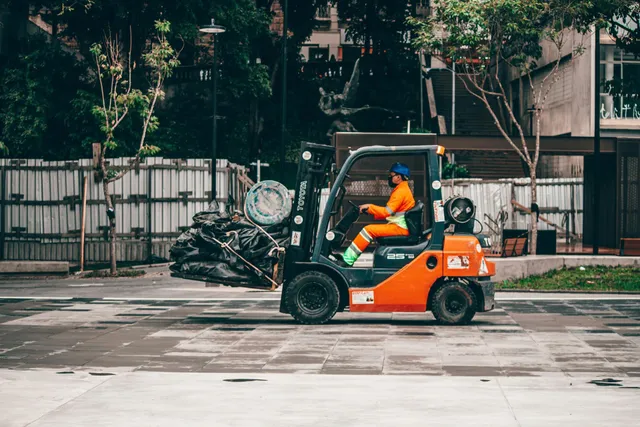

Material handling operations depend on equipment reliability to maintain productivity schedules and meet delivery commitments. When forklifts experience thermal management problems, the ripple effects extend far beyond a single machine breakdown. Radiator failures represent one of the most disruptive maintenance issues in warehouse and distribution environments, often occurring without obvious advance warning.
The financial impact of radiator failure extends beyond replacement parts. Unplanned downtime disrupts workflows, creates labor inefficiencies, and can delay critical shipments. Understanding the early indicators of radiator deterioration allows maintenance teams to schedule repairs during planned downtime rather than responding to emergency breakdowns during peak operational periods.
Recognition of these warning signs requires systematic observation and documentation. Many facilities lack structured approaches to monitoring thermal system performance, relying instead on reactive maintenance when problems become severe enough to halt operations entirely.
Understanding Radiator Function in Material Handling Equipment
The forklift radiator serves as the primary heat exchange component in the cooling system, managing engine temperatures during continuous operation. This component transfers heat from the engine coolant to ambient air through a network of tubes and fins designed to maximize surface area contact.
Radiator efficiency directly affects engine performance and longevity. When heat transfer capability diminishes, engines operate at elevated temperatures that accelerate wear on internal components. The cooling system maintains optimal operating temperatures across varying load conditions, from light transport tasks to heavy lifting operations.
Modern material handling equipment operates in demanding environments where dust, debris, and chemical exposure create additional stress on cooling components. Understanding normal radiator operation helps identify deviations that signal developing problems before they result in complete system failure.
Heat Exchange Process Fundamentals
Effective heat exchange requires unobstructed airflow through radiator cores and clean coolant circulation throughout the system. The radiator core consists of multiple thin tubes surrounded by metallic fins that increase surface area for heat dissipation. As coolant flows through these tubes, heat transfers to the fins and dissipates into surrounding air.
Fan operation creates forced air circulation when natural airflow proves insufficient for adequate cooling. This mechanism becomes critical during stationary operations or when operating in confined spaces where ambient air circulation remains limited. Any reduction in heat exchange efficiency forces the engine to operate at higher temperatures.
Environmental Factors Affecting Performance
Warehouse environments present unique challenges for radiator operation. Dust accumulation blocks airflow through radiator cores, while chemical vapors from cleaning products or stored materials can accelerate corrosion of metal components. Temperature variations between indoor and outdoor operations create thermal stress that affects component durability.
Seasonal temperature changes influence cooling system demands, with summer operations requiring maximum heat dissipation capacity. Facilities located in areas with high ambient temperatures face increased stress on cooling components, making early problem detection more critical for maintaining operational reliability.
Temperature-Related Warning Indicators
Engine temperature fluctuations provide the most direct evidence of cooling system problems. Normal operating temperatures remain consistent across similar operating conditions, with gradual warm-up periods and stable temperatures during sustained operation. Deviations from established temperature patterns indicate developing issues within the cooling system.
Temperature gauge readings that exceed normal operating ranges signal inadequate heat dissipation. These elevated readings may appear gradually over time or manifest suddenly during high-demand operations. Monitoring temperature trends helps distinguish between normal operational variations and systematic cooling problems.
Overheating During Normal Operations
Overheating during routine material handling tasks indicates significant cooling system deterioration. When radiators lose heat exchange efficiency, engines cannot maintain normal operating temperatures even during light-duty applications. This condition forces operators to reduce equipment usage or risk engine damage.
The cost implications of overheating extend beyond immediate repair needs. Reduced operational capacity affects productivity metrics and may require deployment of backup equipment. Labor costs increase when operators must work around equipment limitations or wait for cooling periods between tasks.
Temperature Spikes During Heavy Lifting
Sudden temperature increases during lifting operations suggest marginal cooling capacity. Heavy lifting creates maximum engine load conditions that test cooling system limits. A properly functioning radiator maintains stable temperatures even during peak demand periods.
Temperature spikes force operators to pause operations until engines cool sufficiently for safe continued use. These interruptions create workflow disruptions and reduce overall equipment utilization rates. The Occupational Safety and Health Administration requires proper equipment maintenance to ensure safe working conditions, making temperature management a compliance issue as well as an operational concern.
Coolant System Warning Signs
Coolant condition and circulation patterns reveal important information about radiator health. Fresh coolant maintains specific color characteristics and flows smoothly through the cooling system. Changes in coolant appearance or circulation behavior often indicate internal radiator problems that affect overall system performance.
Regular coolant inspection provides early warning of developing issues before they impact equipment availability. Visual examination of coolant color, consistency, and level helps identify problems such as internal leaks, contamination, or circulation restrictions that compromise cooling effectiveness.
Coolant Discoloration and Contamination
Coolant color changes indicate chemical reactions within the cooling system. Rust-colored coolant suggests internal corrosion, while oil contamination creates milky or foam-like appearances. These changes signal internal component deterioration that affects heat transfer efficiency and can lead to complete system failure.
Contaminated coolant creates additional problems beyond reduced cooling efficiency. Debris and corrosion products circulate throughout the system, potentially blocking narrow passages within the radiator core. This contamination accelerates wear on water pumps and other cooling system components.
Unusual Coolant Loss Patterns
Coolant loss without visible external leaks suggests internal radiator problems. Small internal leaks allow coolant to escape into the engine or evaporate through compromised seals. This gradual loss requires frequent coolant additions and indicates developing radiator structural problems.
Tracking coolant consumption patterns helps identify abnormal loss rates. Facilities that maintain detailed maintenance records can establish baseline consumption rates and identify equipment that exceeds normal parameters. Early detection of unusual consumption patterns prevents unexpected failures during critical operations.
Physical Deterioration Indicators
Visual inspection of radiator components reveals physical deterioration that affects performance. External damage to radiator cores, mounting brackets, and connection points creates vulnerability to complete failure. Regular visual inspection during routine maintenance identifies problems before they result in operational disruptions.
Physical deterioration occurs gradually in most cases, allowing time for planned replacement during scheduled maintenance windows. However, impact damage from collisions or debris can create immediate failure risks that require urgent attention to prevent equipment damage or safety hazards.
Fin Damage and Core Deterioration
Radiator fins facilitate heat transfer by increasing surface area contact with ambient air. Bent, damaged, or corroded fins reduce heat exchange efficiency and restrict airflow through the radiator core. This damage accumulates over time, gradually reducing cooling capacity until it becomes insufficient for normal operation.
Core deterioration manifests as visible corrosion, physical deformation, or separation between tubes and fins. Internal tube blockages prevent proper coolant circulation, creating hot spots that accelerate component wear. These problems typically develop slowly but can reach critical stages rapidly once deterioration begins.
External Leak Development
External coolant leaks create obvious evidence of radiator failure. Leak locations help diagnose specific problems, with tube connections, tank joints, and core sections representing common failure points. Small leaks often expand rapidly once structural integrity becomes compromised.
Leak repair costs vary significantly depending on location and severity. Minor connection leaks may require only new gaskets or clamps, while core damage typically necessitates complete radiator replacement. Early detection of small leaks allows for less expensive repairs compared to emergency replacement during operational periods.
Performance Impact and Cost Analysis
Radiator problems create cascading effects throughout material handling operations. Reduced equipment reliability affects scheduling flexibility and may require backup equipment deployment. The true cost of radiator failure includes both direct repair expenses and indirect operational impacts that affect overall facility productivity.
Cost analysis must account for various factors including parts, labor, downtime, and lost productivity. Emergency repairs during peak operational periods typically cost significantly more than planned maintenance during scheduled downtime. Understanding these cost relationships helps justify proactive maintenance investments.
Direct Repair and Replacement Costs
Radiator replacement costs include parts, labor, and associated components such as coolant, hoses, and gaskets. Labor costs vary depending on equipment accessibility and complexity of removal procedures. Some installations require significant disassembly to access radiator mounting points, increasing total repair time and expense.
Parts availability affects both cost and scheduling considerations. Common radiator configurations maintain better parts availability and competitive pricing compared to specialized or older equipment models. Planning replacement schedules around parts availability helps control costs and minimize downtime duration.
Operational Disruption Expenses
Unplanned equipment downtime creates costs beyond direct repair expenses. Workflow disruptions affect productivity metrics and may require overtime labor to maintain delivery schedules. Backup equipment deployment increases operational complexity and may reduce overall efficiency even when substitute equipment remains available.
Customer service impacts result when equipment failures affect delivery commitments or operational capacity. These reputation costs prove difficult to quantify but create long-term business consequences that extend far beyond immediate repair expenses. Reliable equipment operation supports consistent customer service delivery.
Preventive Monitoring Strategies
Systematic monitoring programs identify developing radiator problems before they result in operational disruptions. These programs combine regular visual inspections, performance tracking, and maintenance scheduling to optimize equipment reliability. Effective monitoring requires consistent documentation and trending analysis to identify patterns that indicate developing problems.
Monitoring strategies must balance thoroughness with operational efficiency. Excessive inspection requirements can create unnecessary labor costs, while insufficient monitoring allows problems to develop undetected. Successful programs focus on key indicators that provide reliable early warning of developing issues.
Temperature Trending and Documentation
Temperature data collection provides quantitative evidence of cooling system performance trends. Regular temperature measurements during consistent operating conditions establish baseline performance patterns. Gradual increases in operating temperatures indicate developing cooling problems that require investigation.
Documentation systems should capture temperature readings, operating conditions, and maintenance activities to support trend analysis. Digital maintenance management systems facilitate data collection and analysis, making it easier to identify equipment that requires attention based on performance patterns rather than calendar-based schedules alone.
Visual Inspection Protocols
Structured visual inspection procedures ensure consistent evaluation of radiator condition. These inspections should examine external components, coolant condition, and mounting hardware for signs of deterioration or damage. Standardized inspection checklists help maintain consistency across different maintenance personnel.
Training programs ensure that maintenance staff can recognize early warning signs and understand the significance of various conditions. Proper training reduces the likelihood that developing problems will go undetected during routine maintenance activities. Regular training updates keep staff informed about new diagnostic techniques and emerging issues.
Conclusion
Forklift radiator failure represents a significant operational risk that extends beyond immediate repair costs. The ten warning signs outlined above provide early indicators that allow maintenance teams to address problems during planned downtime rather than responding to emergency failures during peak operations.
Successful radiator maintenance programs combine systematic monitoring, regular inspection, and proactive replacement planning. These approaches minimize both direct repair costs and indirect operational impacts that affect overall facility productivity. Understanding the progression of radiator deterioration enables better maintenance decisions that support reliable material handling operations.
Investment in monitoring and preventive maintenance typically provides substantial returns through reduced emergency repair costs and improved equipment reliability. Facilities that implement comprehensive radiator maintenance programs experience fewer unexpected equipment failures and maintain more consistent operational capacity throughout their material handling fleets.