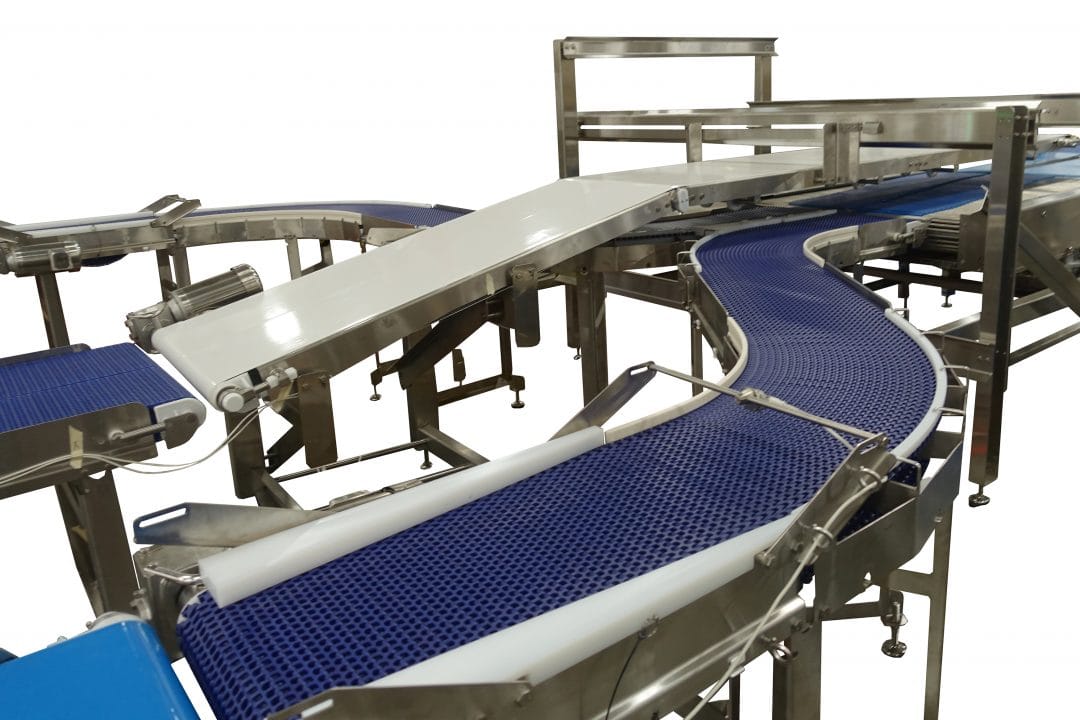

Manufacturing operations depend on material handling systems that perform consistently under demanding conditions. When standard conveyor solutions cannot meet specific operational requirements, facilities often invest in custom systems designed for their unique applications. However, these projects carry substantial financial risk when specifications are incomplete or misaligned with actual operating conditions.
The complexity of custom conveyor projects stems from the need to balance multiple variables including material characteristics, environmental conditions, throughput requirements, and integration with existing equipment. A single oversight in the specification phase can result in equipment that underperforms, requires expensive modifications, or fails to meet production targets. The cost of these failures extends beyond the initial investment to include production downtime, redesign expenses, and delayed project timelines.
Understanding the critical specification requirements helps facilities avoid common pitfalls that lead to project failures. A systematic approach to defining conveyor requirements ensures that the final system operates reliably within the intended application and delivers the expected return on investment.
Material Handling Requirements Define System Architecture
The foundation of any successful conveyor project begins with a comprehensive understanding of what needs to be moved and how it behaves during transport. Custom high performance conveyors must be engineered to handle specific material characteristics that standard systems cannot accommodate effectively. This includes materials with unusual flow properties, abrasive qualities, temperature sensitivity, or contamination concerns.
Material characteristics directly influence conveyor design decisions including belt selection, support structure requirements, and drive system specifications. Abrasive materials require wear-resistant components and may necessitate special belt compounds or protective coatings. Materials that generate dust or particles need enclosed designs with appropriate ventilation systems. Temperature-sensitive products may require climate-controlled conveyor sections or specialized belt materials that maintain product integrity.
Physical Properties Impact Design Decisions
The size, weight, and shape of conveyed materials determine structural requirements and influence conveyor speed capabilities. Irregularly shaped items may require specialized belt surfaces or guide systems to maintain proper orientation during transport. Heavy materials increase the load requirements for drive systems and support structures, while fragile items may need cushioned belt surfaces or controlled acceleration profiles to prevent damage.
Bulk density affects belt loading calculations and determines the appropriate conveyor width and speed combination to achieve required throughput rates. Materials with high moisture content or sticky characteristics may require non-stick belt surfaces or cleaning systems to prevent buildup that could cause tracking problems or contamination issues.
Chemical Compatibility Prevents Contamination
Chemical interactions between conveyed materials and conveyor components can lead to product contamination, equipment degradation, or safety hazards. Food-grade applications require materials that meet regulatory standards and resist bacterial growth. Chemical processing environments may expose conveyor components to corrosive substances that require specialized materials or protective coatings.
pH levels, solvent exposure, and reactive compounds all influence material selection for belts, frames, and drive components. Incompatible materials can result in premature wear, product contamination, or equipment failure that requires expensive replacements and production interruptions.
Environmental Operating Conditions Shape Equipment Selection
The operating environment significantly influences conveyor design requirements and component selection. Temperature extremes affect belt flexibility, motor performance, and structural expansion characteristics. High-temperature applications may require heat-resistant belt compounds and specialized bearing systems, while cold environments need components that maintain flexibility and reliability at low temperatures.
Humidity levels impact corrosion resistance requirements for structural components and electrical systems. Outdoor installations face additional challenges including weather protection, UV resistance, and thermal cycling that can affect equipment longevity and reliability.
Contamination Control Requirements
Cleanroom environments, food processing facilities, and pharmaceutical operations require conveyor systems designed to minimize particle generation and facilitate cleaning procedures. These applications often specify stainless steel construction, sealed bearing systems, and smooth surfaces that prevent contamination buildup.
Washdown capabilities may be required for applications where regular cleaning is necessary for hygiene or product changeover requirements. This affects electrical component placement, sealing requirements, and material selection to ensure equipment can withstand cleaning chemicals and high-pressure washing procedures.
Hazardous Area Classifications
Operations involving flammable materials, combustible dust, or explosive atmospheres require conveyor systems that meet specific safety standards. Electrical components must be rated for the appropriate hazardous area classification, and static electricity control measures may be necessary to prevent ignition risks.
Explosion-proof motor housings, grounding systems, and anti-static belt materials add complexity and cost to conveyor systems but are essential for safe operation in these environments. The Occupational Safety and Health Administration provides detailed requirements for electrical equipment in hazardous locations.
Throughput and Performance Specifications
Accurate throughput requirements form the basis for sizing conveyor systems and selecting appropriate drive components. Peak capacity demands often exceed average throughput rates, requiring systems capable of handling surge conditions without compromising reliability or product quality.
Conveyor speed affects not only throughput capacity but also product handling characteristics. High-speed operations may cause product instability or damage, while insufficient speed can create bottlenecks that limit overall system performance. The relationship between belt width, speed, and material characteristics determines the optimal configuration for each application.
Accumulation and Buffering Needs
Many applications require conveyor systems to provide temporary storage or buffering capacity to accommodate variations in upstream or downstream processing rates. Accumulation zones must be designed to prevent product damage while maintaining proper flow control when demand resumes.
Zero-pressure accumulation systems use sensors and drive controls to prevent products from exerting pressure on each other during accumulation periods. This approach protects fragile items while maintaining system responsiveness when flow resumes.
Integration with Existing Equipment
Custom conveyors rarely operate in isolation but must integrate seamlessly with existing production equipment, control systems, and material handling infrastructure. Height restrictions, space constraints, and interface requirements with other equipment influence conveyor design and may require custom solutions for connections and transitions.
Control system integration affects equipment selection for motors, sensors, and communication interfaces. Compatibility with existing programmable logic controllers or plant-wide automation systems may dictate specific communication protocols or control architectures.
Structural and Safety Considerations
Conveyor structural design must account for static loads from the equipment itself, dynamic loads from material movement, and environmental forces such as seismic activity or wind loading for outdoor installations. Inadequate structural analysis can result in excessive deflection, premature wear, or catastrophic failure under operating conditions.
Safety systems including emergency stops, guards, and access platforms must be integrated into the conveyor design from the beginning rather than added as afterthoughts. Regulatory requirements for worker safety vary by industry and location but consistently require comprehensive risk assessment and appropriate protective measures.
Maintenance Access and Serviceability
Conveyor systems require regular maintenance to ensure reliable operation and maximize equipment life. Design features that facilitate maintenance access reduce service time and costs while improving system availability. Strategic placement of service platforms, removable guards, and accessible lubrication points contributes to effective maintenance programs.
Component accessibility affects maintenance costs throughout the equipment lifecycle. Drive components, bearings, and wear items should be positioned for easy inspection and replacement without requiring extensive disassembly or specialized equipment.
Future Expansion Capabilities
Many facilities require conveyor systems that can accommodate future capacity increases or operational changes without complete replacement. Modular design approaches and oversized structural elements can provide expansion capability while maintaining cost-effectiveness for initial installation.
Electrical infrastructure planning should consider future automation upgrades, additional sensors, or communication system enhancements that may be required as operational needs evolve.
Quality Control and Testing Requirements
Comprehensive testing protocols validate that completed conveyor systems meet all specified performance requirements before installation and commissioning. Factory acceptance testing allows identification and resolution of issues in a controlled environment where modifications can be implemented efficiently.
Performance testing should verify throughput capacity, speed accuracy, tracking stability, and control system functionality under various operating conditions. Simulation of actual operating materials and conditions provides confidence that the system will perform reliably in production service.
Documentation and Training Needs
Complete documentation packages including operation manuals, maintenance procedures, spare parts lists, and electrical schematics are essential for long-term system success. Training programs for operations and maintenance personnel ensure that the equipment is operated correctly and maintained properly throughout its service life.
As-built drawings and equipment specifications provide valuable references for future modifications, troubleshooting, and replacement part procurement. Digital documentation systems can improve accessibility and ensure that current information is available when needed.
Conclusion
Successful custom conveyor projects depend on thorough specification development that addresses all aspects of system performance, environmental conditions, and operational requirements. The complexity of these systems demands careful attention to material handling characteristics, environmental factors, throughput needs, structural requirements, and safety considerations.
A systematic approach to specification development helps avoid costly oversights that can compromise system performance or require expensive modifications after installation. By addressing these critical areas during the planning phase, facilities can ensure that their custom conveyor investment delivers reliable performance and supports operational objectives effectively.
The time invested in comprehensive specification development pays dividends through improved system reliability, reduced commissioning issues, and better alignment between equipment capabilities and operational requirements. This foundation enables successful project execution and long-term operational success.