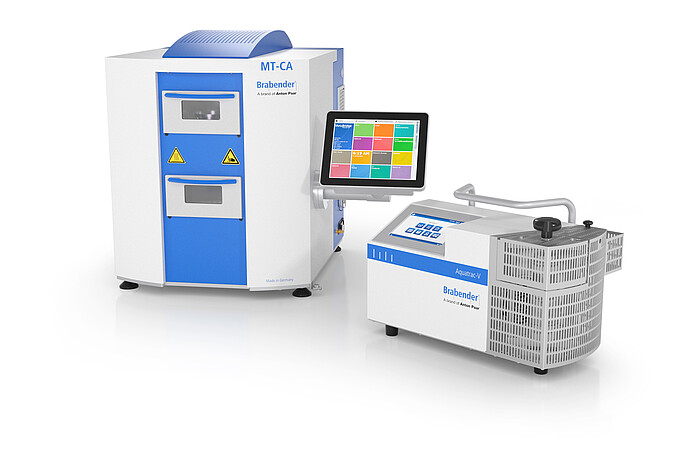

Laboratory managers often treat moisture analyzer setup as a single event when it actually involves two distinct phases that serve different purposes. The confusion between installation and qualification leads to incomplete documentation, inconsistent results, and failed audits. When these phases blur together, labs miss critical verification steps that ensure long-term measurement reliability.
The distinction matters because each phase addresses different operational risks. Installation focuses on physical setup and basic functionality, while qualification verifies that the instrument performs correctly within specified parameters. This separation becomes crucial when regulatory compliance depends on documented evidence of proper instrument performance.
Many facilities rush through both phases simultaneously, creating gaps in their quality systems that surface during inspections or when measurement discrepancies appear months later. Understanding where installation ends and qualification begins helps labs build robust procedures that support consistent analytical results.
Installation Establishes Physical and Operational Foundation
Installation involves the mechanical, electrical, and environmental setup required to make a moisture analyzer operational. This phase ensures the instrument receives proper power, maintains stable environmental conditions, and integrates with existing laboratory workflows. Proper moisture analyzer installation and qualification procedures recognize that installation creates the foundation for all subsequent performance verification activities.
The installation process addresses immediate operational requirements rather than performance standards. Technicians verify that electrical connections meet specifications, environmental controls maintain required temperature and humidity ranges, and physical placement allows safe operation and maintenance access. These activities make the instrument ready for use but do not confirm measurement accuracy or precision.
Environmental Controls Shape Long-Term Performance
Environmental factors during installation determine whether the analyzer will maintain consistent performance over time. Temperature fluctuations, humidity variations, and vibration exposure all affect measurement stability, but these influences often remain invisible until calibration drift appears weeks or months later. Installation procedures must account for these factors because correcting environmental problems after qualification requires repeating the entire validation process.
Proper environmental setup includes evaluating air circulation patterns, identifying heat sources that could create temperature gradients, and ensuring adequate space for thermal equilibration. Labs that skip thorough environmental assessment during installation frequently encounter unexplained measurement variability that proves difficult to diagnose once routine operations begin.
Electrical and Mechanical Integration
Power quality and mechanical stability form critical installation requirements that directly impact measurement reliability. Voltage fluctuations can affect heating element performance and temperature control stability, while mechanical vibration interferes with mass measurements in gravimetric analyzers. These installation factors create systematic errors that qualification procedures cannot correct if the underlying setup remains inadequate.
Integration with existing laboratory infrastructure requires careful coordination between instrument requirements and facility capabilities. This includes verifying adequate electrical capacity, ensuring proper grounding to prevent electrical interference, and confirming that exhaust systems handle moisture and volatile compounds released during analysis.
Qualification Verifies Performance Against Specifications
Qualification demonstrates that the installed moisture analyzer performs within defined parameters under actual operating conditions. This phase involves systematic testing using reference materials, documented procedures, and acceptance criteria that reflect intended use requirements. Qualification provides objective evidence that the instrument produces reliable results for specific analytical applications.
Unlike installation, qualification focuses on measurement performance rather than physical setup. The process typically includes precision testing using replicate analyses, accuracy verification with certified reference materials, and range testing across expected moisture levels. These activities generate documented evidence that regulatory inspectors and quality auditors expect to see.
Design Qualification Confirms Functional Requirements
Design qualification verifies that the selected moisture analyzer can meet intended analytical requirements before implementation begins. This phase examines instrument specifications, operating ranges, and technical capabilities against laboratory needs and regulatory requirements. Design qualification prevents costly mistakes by identifying capability gaps before installation and qualification investments occur.
The design qualification process evaluates factors such as measurement range, precision requirements, sample size limitations, and analysis time constraints. Labs that skip this phase often discover after installation that the instrument cannot handle required sample types or achieve necessary precision levels, forcing expensive equipment changes or analytical method modifications.
Installation Qualification Documents Physical Setup
Installation qualification creates formal documentation that the moisture analyzer was installed according to manufacturer specifications and laboratory requirements. This documentation includes verification of utilities, environmental conditions, safety systems, and calibration procedures. Installation qualification bridges the gap between physical installation work and performance testing activities.
Proper installation qualification generates records that support regulatory compliance and provide troubleshooting references when problems arise. Where the analyzer feeds results into a LIMS or electronic records system, that paperwork should sit alongside documented computer system validation, since auditors expect the same evidence trail for the software handling the data as for the instrument producing it. The documentation includes equipment identification, installation checklists, environmental monitoring data, and verification of safety interlocks. These records become essential when explaining analytical results or investigating measurement discrepancies.
Operational Qualification Proves Performance Capability
Operational qualification demonstrates that the moisture analyzer performs correctly across its intended operating range. This testing uses reference materials with known moisture content to verify accuracy, precision, and repeatability under normal operating conditions. Operational qualification provides the performance data that supports analytical method validation and regulatory submissions.
The operational qualification process typically involves precision studies using multiple analyses of reference materials, accuracy testing across the measurement range, and system suitability testing with actual sample types. According to the FDA guidance on analytical procedures, this testing must demonstrate that the instrument consistently produces reliable results under routine operating conditions.
Common Mistakes That Compromise Both Phases
Many laboratories combine installation and qualification activities without recognizing their different purposes, leading to incomplete documentation and missed verification steps. This approach creates quality system gaps that become apparent during audits or when analytical problems arise. The most frequent mistake involves treating qualification as a simple extension of installation rather than a distinct verification phase with specific documentation requirements.
Another common error involves inadequate environmental assessment during installation, followed by qualification testing that fails to account for environmental influences on measurement performance. This sequence produces qualification data that appears acceptable initially but does not predict long-term performance under varying conditions.
Documentation Gaps Create Compliance Risks
Insufficient documentation during installation and qualification phases creates compliance vulnerabilities that surface during regulatory inspections. Labs often focus on generating passing test results while neglecting to document the procedures, acceptance criteria, and decision-making processes that support those results. This documentation gap makes it difficult to demonstrate that the moisture analyzer was properly validated for its intended use.
Complete documentation must include installation records, qualification protocols, test results, deviations and their resolutions, and final approval signatures. Missing or incomplete records suggest inadequate control over the validation process, raising questions about measurement reliability and quality system effectiveness.
Inadequate Reference Material Selection
Many qualification programs use reference materials that do not adequately represent actual sample characteristics, leading to qualification data that does not predict real-world performance. This mismatch becomes problematic when routine samples behave differently than the materials used during qualification testing. Proper reference material selection requires understanding both instrument capabilities and sample matrix effects.
Effective qualification uses reference materials that span the expected moisture range, represent typical sample matrices, and include materials near critical decision points. This approach ensures that qualification data accurately predicts performance with routine samples and provides confidence in analytical results.
Building Effective Installation and Qualification Procedures
Successful moisture analyzer implementation requires procedures that clearly separate installation and qualification activities while ensuring proper coordination between phases. Installation procedures should focus on physical setup requirements, environmental controls, and basic functionality verification. Qualification procedures should emphasize performance testing, documentation requirements, and acceptance criteria that reflect intended use.
The key to effective procedures lies in understanding that installation creates the conditions necessary for successful qualification, while qualification provides evidence that those conditions produce reliable analytical results. This relationship requires careful planning to ensure that installation activities support qualification objectives.
Establishing Clear Phase Boundaries
Well-defined boundaries between installation and qualification phases prevent important activities from being overlooked or duplicated. Installation should conclude when the moisture analyzer operates according to manufacturer specifications and meets laboratory requirements for utilities, environment, and safety. Qualification should begin with documented evidence that installation requirements have been satisfied.
Clear phase boundaries also facilitate project management by establishing specific deliverables and approval requirements for each phase. This structure helps ensure that installation problems are resolved before qualification begins and that qualification activities focus on performance verification rather than troubleshooting setup issues.
Performance Testing Strategy
Effective qualification requires a testing strategy that addresses accuracy, precision, and ruggedness under conditions that reflect intended use. This strategy should include testing with appropriate reference materials, evaluation of environmental influences, and assessment of operator variability. The testing approach must generate sufficient data to support confident decisions about instrument acceptability.
Performance testing should also consider potential failure modes and their impact on analytical results. This includes evaluating instrument response to power fluctuations, temperature variations, and component aging. Understanding these influences during qualification helps establish appropriate maintenance and monitoring procedures for routine operation.
Conclusion
The distinction between moisture analyzer installation and qualification reflects their different roles in establishing reliable analytical capability. Installation creates the physical and operational foundation necessary for instrument operation, while qualification provides documented evidence of acceptable performance under intended use conditions. Labs that blur these phases often struggle with incomplete documentation, missed verification steps, and compliance gaps that surface during audits.
Success requires recognizing that each phase serves specific purposes and requires appropriate procedures, documentation, and acceptance criteria. Installation focuses on making the instrument operational within its specified environment, while qualification demonstrates that the operational instrument produces reliable analytical results. This understanding helps laboratories build robust quality systems that support consistent measurement performance and regulatory compliance.
Proper implementation of both phases provides the foundation for ongoing analytical reliability and helps prevent the measurement problems that arise when instruments are inadequately validated. The investment in thorough installation and qualification procedures pays dividends through improved measurement confidence, reduced troubleshooting time, and successful regulatory inspections.
thespark shop kids clothes for baby boy & girl
ReadMore:: TheSpark Shop Kids Clothes for Baby Boy and Girl
ReadMore:: maxxfour