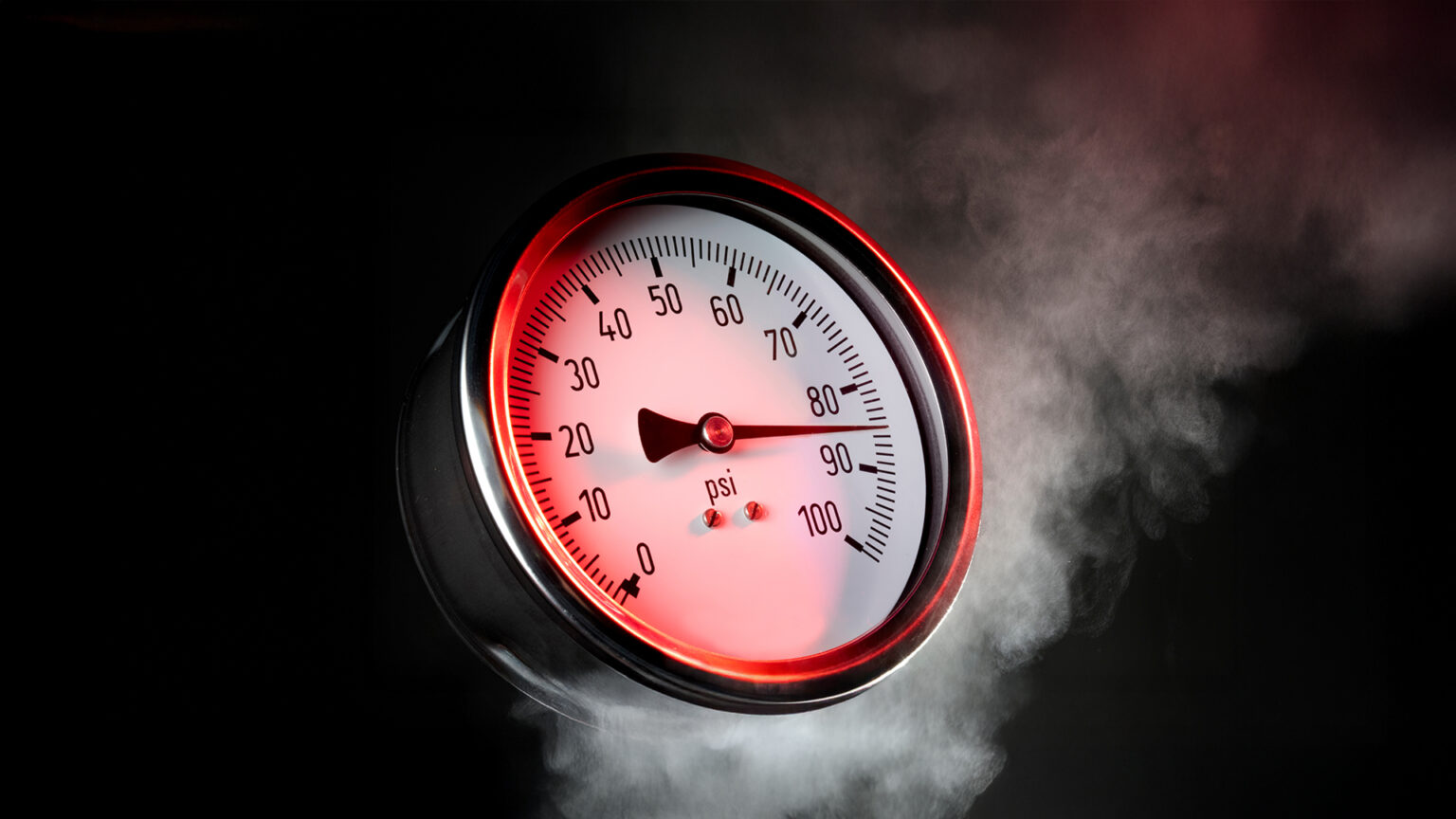

Industrial operations depend on precise pressure control across countless applications, from hydraulic machinery to compressed air systems. Yet confusion over pressure measurement units creates unnecessary complexity in equipment selection, system integration, and maintenance protocols. When engineering teams work with suppliers using different measurement standards, or when retrofitting international equipment into existing systems, unit conversions become a daily operational reality that can impact both safety margins and system performance.
The choice between PSI, BAR, and kPa extends beyond simple preference. Each unit carries practical implications for how pressure data appears on gauges, how operators interpret readings during routine monitoring, and how maintenance teams document system parameters. Understanding these measurement systems helps industrial facilities maintain consistent standards while avoiding the miscommunication that can lead to equipment damage or operational disruptions.
Understanding PSI Pressure Measurement Systems
Pounds per square inch represents the most widely recognized pressure measurement in North American industrial applications. PSI calculations derive from the force exerted by one pound distributed across a square inch of surface area, making it intuitive for operators familiar with imperial measurement systems. This unit appears consistently across manufacturing equipment, from pneumatic tools operating at 90 PSI to high-pressure cleaning systems reaching several thousand PSI.
Most psi pressure systems display readings in whole numbers, which simplifies operator interpretation during routine monitoring tasks. A hydraulic press operating at 1,500 PSI provides an immediately understandable reference point for maintenance teams checking system performance against established parameters. This clarity becomes particularly valuable during shift changes, when operators need to quickly assess whether systems are functioning within normal ranges.
The prevalence of PSI measurement extends into equipment documentation and spare parts specifications. When maintenance teams order replacement pressure switches, relief valves, or monitoring instruments, PSI ratings typically correspond directly with existing system requirements. This alignment reduces the complexity of component selection and helps prevent specification errors that could compromise system safety or performance.
Industrial Applications Where PSI Dominates
Manufacturing facilities across North America encounter PSI measurement in numerous critical applications. Compressed air systems typically operate between 80 and 120 PSI, providing consistent power for pneumatic tools and automated equipment. Facilities running oil-less air compressors in clean environments watch that band especially closely, since these units hold their rated PSI without introducing lubricant carryover into the air line — a requirement in food, medical, and electronics work where contamination is not an option. These pressure ranges have become standardized partly due to the widespread adoption of PSI measurement in industrial compressed air applications.
Hydraulic systems present another area where PSI measurement proves essential. Mobile equipment like construction machinery often operates at pressures ranging from 2,000 to 5,000 PSI, with system components rated and documented using these units. Maintenance teams working on hydraulic systems rely on PSI readings to diagnose performance issues and determine when pressure levels fall outside acceptable operating ranges.
PSI Measurement Precision and Practical Considerations
The resolution of PSI measurements affects how operators monitor and control industrial processes. Digital pressure sensors can provide PSI readings to multiple decimal places, but most industrial applications round to whole numbers for practical monitoring purposes. A pneumatic system operating at 87.3 PSI might display simply as 87 PSI on operator interfaces, providing sufficient precision for typical control requirements while maintaining reading clarity.
Temperature variations can influence PSI readings in closed systems, particularly those involving compressed gases. As ambient temperatures rise, gas-based systems may show increased PSI readings even when actual system demand remains constant. Understanding this relationship helps maintenance teams distinguish between genuine pressure fluctuations and temperature-related measurement variations.
BAR Pressure Measurement in Industrial Context
BAR measurement represents atmospheric pressure relationships in a format that aligns closely with metric system standards. One BAR equals approximately the atmospheric pressure at sea level, creating an intuitive reference point for understanding system pressures relative to ambient conditions. This measurement system appears frequently in European-manufactured equipment and international industrial standards.
Industrial systems using BAR measurement often display pressure readings in decimal format, such as 6.2 BAR or 15.7 BAR. This precision level supports applications requiring fine pressure control, particularly in process industries where small pressure variations can significantly impact product quality or system efficiency. The decimal format allows for more granular pressure monitoring without requiring extremely high numerical values.
Many international equipment manufacturers specify operating pressures in BAR, making this unit essential for facilities using imported machinery or working with global suppliers. When integrating European hydraulic components into North American systems, understanding BAR pressure ratings becomes necessary for proper component selection and system design.
European Standards and BAR Implementation
European industrial standards frequently reference BAR measurements in safety regulations and equipment specifications. Pressure vessel certifications often include maximum allowable working pressures expressed in BAR, requiring facility managers to understand these ratings when evaluating equipment compliance with local safety requirements.
The relationship between BAR and atmospheric pressure simplifies calculations involving gauge pressure versus absolute pressure measurements. Since one BAR approximates atmospheric pressure, converting between gauge and absolute pressure readings becomes more intuitive for operators working with BAR-calibrated instruments.
BAR Measurement in Process Industries
Chemical processing facilities often encounter BAR measurements in pump specifications, reactor pressure ratings, and process control documentation. Steam systems, particularly those designed using European standards, commonly specify operating pressures in BAR rather than PSI. A steam distribution system operating at 8 BAR provides a clear reference point that relates directly to atmospheric pressure multiples.
Process control systems using BAR measurement can integrate more seamlessly with international automation standards. When facilities implement distributed control systems from European suppliers, BAR pressure measurements often appear as the default unit in operator interfaces and data logging systems.
KPA Measurement Systems and Scientific Applications
Kilopascals represent the scientific standard for pressure measurement within the International System of Units. This measurement system provides the foundation for engineering calculations and scientific documentation across multiple industries. KPA measurements appear frequently in technical specifications, research documentation, and regulatory standards that require precise scientific notation.
The pascal unit derives from force per unit area calculations using metric measurements, where one pascal equals one newton per square meter. Kilopascals simply represent thousands of pascals, creating manageable numerical values for industrial pressure ranges. A typical compressed air system operating at 620 kPa provides the same pressure as 90 PSI, but expresses this value using scientific measurement standards.
Regulatory agencies often specify pressure limits and safety requirements using kPa measurements, particularly in environmental regulations and workplace safety standards. The International System of Units designation of pascal as the standard pressure unit means that scientific and regulatory documentation increasingly references kPa for pressure specifications.
Regulatory Compliance and KPA Standards
Environmental monitoring systems frequently require kPa measurement for compliance reporting. Air quality monitoring equipment, emissions control systems, and environmental testing instruments often specify operating pressures and measurement ranges in kPa. Facilities subject to environmental regulations must understand these pressure units to ensure proper equipment selection and compliance documentation.
Workplace safety regulations sometimes reference pressure limits using kPa measurements, particularly in international safety standards or regulations adopted from scientific organizations. Personal protective equipment ratings, safe operating procedures, and hazard assessments may include pressure specifications expressed in kPa.
Scientific Precision and KPA Applications
Laboratory and testing environments typically use kPa measurements for pressure-related experiments and quality control procedures. Materials testing equipment, calibration standards, and scientific instruments often display pressure readings in kPa to maintain consistency with scientific documentation and research protocols.
The precision available with kPa measurements supports applications requiring exact pressure control or measurement. Research facilities developing new materials, testing component durability, or validating product performance specifications rely on kPa measurements to ensure data consistency across different testing environments and equipment platforms.
Practical Conversion Strategies for Multi-Unit Environments
Industrial facilities often encounter situations requiring conversion between PSI, BAR, and kPa measurements. Equipment from different manufacturers may use varying measurement units, creating the need for reliable conversion methods that maintain accuracy while supporting efficient operations. Understanding conversion relationships helps maintenance teams work effectively with diverse equipment types without introducing measurement errors.
The mathematical relationships between these pressure units remain constant, but practical conversion often involves rounding considerations based on application requirements. A hydraulic system rated for 150 BAR operates at approximately 2,175 PSI, but maintenance documentation might round this to 2,200 PSI for practical monitoring purposes while maintaining adequate safety margins.
Conversion accuracy becomes particularly important when replacing system components or upgrading equipment. A pressure relief valve rated for 1,000 PSI provides equivalent protection to a 69 BAR valve, but selecting components requires understanding these relationships to maintain proper system protection levels.
Digital Tools and Conversion Applications
Modern digital pressure instruments often provide multi-unit display capabilities, allowing operators to view pressure readings in their preferred measurement system. These instruments can display the same pressure value simultaneously in PSI, BAR, and kPa, reducing conversion requirements while accommodating different operator preferences or documentation standards.
Maintenance management systems increasingly include automatic unit conversion features, allowing technicians to enter pressure readings in any supported unit while maintaining database consistency. These systems help facilities maintain accurate historical records regardless of the measurement units used by individual technicians or equipment types.
Documentation Standards and Unit Consistency
Establishing consistent pressure measurement documentation helps reduce confusion and potential errors in multi-unit environments. Some facilities designate primary measurement units for different system types, such as PSI for pneumatic systems and BAR for hydraulic applications, creating clear guidelines for maintenance teams and operators.
Equipment labeling strategies should reflect the measurement units used in operational procedures and maintenance documentation. Clear labeling helps prevent misinterpretation of pressure readings, particularly during emergency situations when rapid system assessment becomes critical for safety and operational continuity.
Selection Criteria for Pressure Measurement Units
Choosing appropriate pressure measurement units depends on multiple operational factors including equipment origins, regulatory requirements, and operator familiarity. North American facilities typically benefit from PSI measurement due to widespread industry adoption and operator training, while international operations may require BAR or kPa compatibility for regulatory compliance or equipment integration purposes.
Operator training considerations influence measurement unit selection since familiar units reduce the likelihood of interpretation errors during routine monitoring and emergency response procedures. Facilities with experienced teams trained on PSI measurement systems may find conversion to alternative units creates unnecessary complexity unless required by regulatory or equipment compatibility factors.
Equipment standardization efforts should consider long-term operational efficiency alongside immediate compatibility requirements. While converting existing systems to different measurement units may seem disruptive, facilities planning significant equipment upgrades or expansions might benefit from standardizing on measurement units that align with future equipment purchases and regulatory trends.
Integration with Existing Systems
Existing control systems and monitoring equipment capabilities affect measurement unit selection for new installations or system expansions. Facilities with established data logging systems, operator interfaces, and maintenance documentation may find that maintaining current measurement units provides better operational continuity than converting to alternative systems.
Spare parts availability and supplier relationships also influence measurement unit decisions. Facilities with established supplier networks providing PSI-rated components may find continued use of these measurement units reduces procurement complexity and inventory management requirements.
Conclusion
Understanding PSI, BAR, and kPa pressure measurement systems enables industrial facilities to make informed decisions about equipment selection, operator training, and system integration. Each measurement unit offers specific advantages depending on operational context, regulatory requirements, and equipment compatibility needs. PSI measurement provides intuitive readings for North American operations, while BAR measurement aligns with international standards and atmospheric pressure relationships. KPA measurement supports scientific precision and regulatory compliance requirements.
Successful implementation of pressure measurement systems requires balancing technical accuracy with operational practicality. Facilities benefit from establishing clear measurement standards that align with equipment capabilities, operator training, and maintenance procedures while maintaining flexibility for future system expansions or regulatory changes. Whether using PSI, BAR, or kPa measurements, consistent application and proper conversion procedures help ensure safe, efficient industrial operations across diverse pressure system applications.