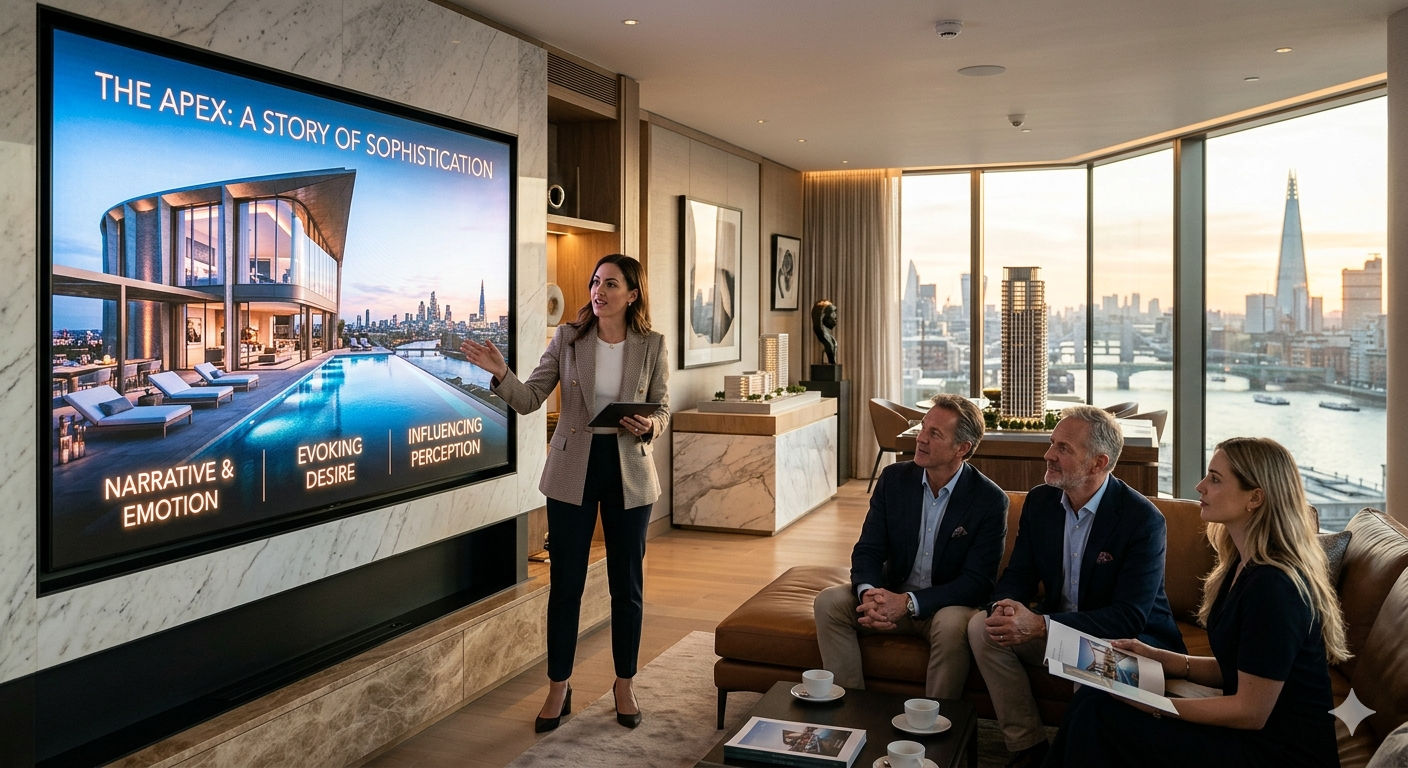

The real estate sector is inherently visual, shaped by the way properties are presented and perceived. In the luxury segment, this reliance on visual storytelling becomes even more pronounced. Potential buyers are not simply evaluating square footage or location; they are interpreting atmosphere, lifestyle, and long-term value through imagery and presentation. As a result, digital platforms in this space must go beyond functional listings and instead construct immersive environments where each visual element contributes to a broader narrative.
A digital environment suited for real estate is defined by its ability to organise and present visual information with clarity and intent. High-quality imagery, structured layouts, and controlled transitions all play a role in guiding the user through a property portfolio. Unlike more transactional industries, where speed may dominate, real estate platforms require a balance between exploration and orientation. The interface must support discovery while maintaining a sense of coherence, allowing users to understand both individual properties and the brand behind them.
Structure and narrative in digital environments
A well-designed real estate website operates as a structured system for visual storytelling. It is not limited to galleries or isolated property pages but instead creates a sequence of interactions that gradually reveal information. This approach can be seen in solutions such as https://looksgreat.studio/services/real-estate-web-development-company/, where the architecture of the platform is aligned with how users explore and interpret properties. The homepage often introduces the brand perspective, followed by curated listings, detailed property views, and contextual information that supports decision-making. Each layer contributes to a continuous narrative rather than a fragmented experience, which is essential in real estate website design.
For this narrative to function effectively, the structure of the digital environment must guide users in a deliberate way. Navigation, transitions, and content hierarchy should work together to create a sense of progression. Instead of presenting all information at once, the system reveals it in stages, allowing users to build understanding gradually. This narrative logic helps users move from initial interest to deeper engagement, aligning their exploration with the intended positioning of the properties.
A well-structured visual system also reinforces trust through consistency and control. When layouts, typography, and imagery follow a unified logic, the experience feels stable and predictable. This consistency reduces cognitive load and allows users to focus on evaluating properties rather than interpreting the interface itself. In the context of a real estate website, where decisions often involve significant investment, such clarity becomes a critical factor in establishing confidence.
However, inconsistencies in structure and presentation can disrupt this narrative and weaken perception. Common issues include:
- Disjointed visual styles between listing pages and property details
- Overloaded interfaces that prioritise quantity of information over clarity
- Inconsistent image quality or formatting across properties
- Unclear navigation paths that interrupt the flow of exploration
These problems may seem minor individually, but together they can fragment the user experience and reduce the overall impact of visual storytelling.
Conclusion
Effective visual storytelling in real estate digital environments is defined by the integration of structure, clarity, and controlled presentation. A coherent system that organises content into a logical sequence allows users to engage with properties in a meaningful way. By aligning visual elements with a clear architectural framework, platforms can support both exploration and understanding without creating confusion.
These principles directly influence how users perceive and evaluate properties. A structured and visually consistent environment enables users to interpret details more confidently, shaping their impressions of both the listings and the brand itself. In this way, the digital interface becomes more than a display tool—it acts as a medium through which properties are experienced, guiding perception through carefully constructed visual narratives.