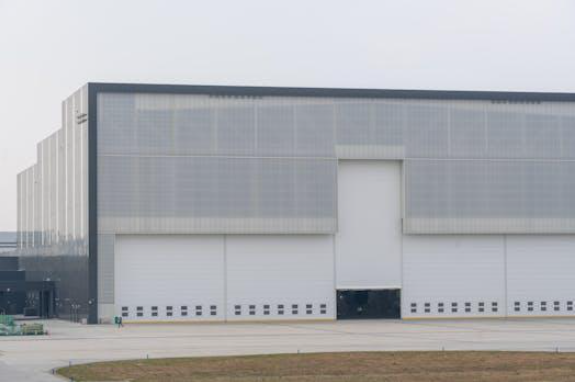

New urban districts love glossy brochures. Glass towers. Pocket parks. There are cafés with names reminiscent of start-ups. None of it matters if the bones are weak. Infrastructure decides whether a district feels effortless or exhausting. Infrastructure includes things like roads, power, water, drainage, and data. The unromantic bits. Get them right and daily life runs quietly, almost invisibly. Get them wrong, and the place turns petulant, then punitive. Congestion becomes a personality trait. Flooding becomes a season. Investors notice. Families leave. Cities don’t fail from a lack of vision. They fail due to poor plumbing and poor planning.
Start With Systems, Not Skylines
The first mistake comes early. Designers sketch landmarks before pipes, cables, and service corridors are installed. This procedure reverses cause and effect. A district needs a grid of movement and supply that can expand without chaos. Think in modules, not monuments. Providers that publish clear component logic, such as Modular Cubed (modularcubed.co.uk) for example, signal a mindset worth copying. Standard parts speed delivery, reduce rework, and prevent on-site improvisation. Improvisation looks heroic. It costs money. A planned utility spine also protects public space by preventing crews from digging up the same pavement twice. Set maintenance routes from day one, and emergencies stop becoming street theatre for everyone involved.
Mobility Must Feel Boring
Transport success looks dull. Buses arrive. Junctions don’t snarl. Cyclists avoid tussling with lorries. Every shiny district claims to be walkable. Many forget the dull work that makes walking safe and pleasant. Direct routes. Shade. Crossings should respect human legs, not just vehicle flow. Freight routes that keep deliveries from bullying residential streets. One nasty shortcut for trucks can ruin an entire neighbourhood’s noise profile, leading to increased stress and decreased quality of life for residents. Rail, if present, needs clean interchanges, not maze-like bridges that punish anyone carrying a bag or pushing a pram.
Water, Waste, and the Price of Pretending
Water infrastructure exposes fantasy faster than any planning meeting. Rain falls. Ground saturates. Districts that ignore drainage invite floods, mould, and an insurance panic. Separate foul and surface systems. Add storage. Build for storms that now arrive like tantrums. Waste handling matters too. Chutes, collection points, and vehicle access shape street life. Hide bins badly, and pavements turn into obstacle courses. Keeping them too far away encourages residents to cheat. Cities don’t become filthy overnight. They become inconvenient, then careless.
Digital Networks Are Now Basic Utilities
Previously, broadband was a luxury. The era ended. Remote work, telemedicine, sensor development, traffic control, and emergency communications require reliable fibre and power. Some blocks offer current services, while others struggle with poor connectivity, hindering the effectiveness of essential services like remote work and telemedicine. Data centres and substations require respect. Hide them, but arrange them wisely. Latency and maintenance access don’t compromise aesthetics. Cybersecurity should be part of the civil brief, not an IT contractor add-on. Without secure networks, a smart neighbourhood becomes a clever hostage to cyberattacks that expose critical data and disrupt essential services, posing risks to residents and disrupting daily life.
Conclusion
Infrastructure efficiency lacks flair. It builds trust. Residents trust that the tap will run, the lights will stay on, the street won’t flood, the bus will arrive, and the job interview signal won’t drop. Footfall, investment, and societal stability result from trust. Planners who prioritise iconic buildings above necessary services create stage sets, not districts. Muscles should follow the backbone, then attractive garments. Respecting this arrangement helps cities expand quietly and uphold their promises under pressure, leading to sustainable development and a higher quality of life for their residents.