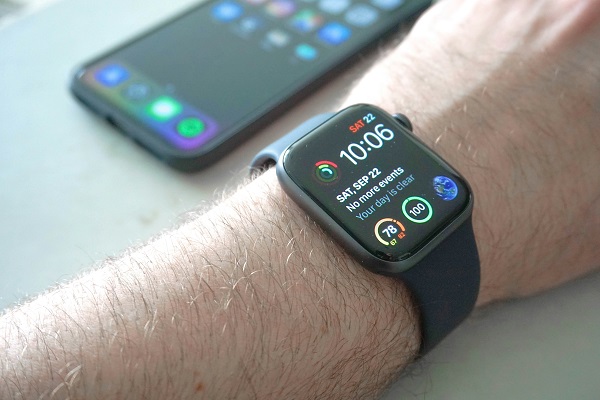

Wearable technology refers to devices that are designed to be worn on the body, often incorporating advanced electronics and sensors to enhance user experience and functionality. This category encompasses a diverse range of products, including fitness trackers, smartwatches, augmented reality glasses, and even health monitoring implants. As technology continues to advance, the significance of wearable tech has become increasingly pronounced in today’s digital age. The evolution of wearable technology has been remarkable over recent years. Initially, fitness trackers emerged as simple pedometers, aimed at helping users monitor their activity levels and maintain a healthy lifestyle. However, as user demands have grown, so too have the capabilities of these devices. Modern wearable technology now includes features such as heart rate monitoring, sleep tracking, and integrated GPS, allowing for more comprehensive personal health monitoring.
Smartwatches have also played a pivotal role in the wearable tech landscape. By connecting seamlessly with smartphones, these devices enable users to receive notifications, send messages, and even make calls without needing to reach for their mobile devices. This level of convenience has enhanced communication, making wearable technology an integral part of daily living.
Furthermore, as the Internet of Things (IoT) continues to expand, wearable technology is becoming more interconnected, providing users with insights and data that were previously difficult to obtain. The integration of artificial intelligence into wearable technology has also allowed for personalized user experiences, tailoring feedback and recommendations to individual needs.
Overall, the significance of wearable technology lies not only in its innovative design but also in its transformative impact on personal health, communication, and lifestyle. As we delve deeper into current trends, it is essential to recognize how these advancements continue to shape our interaction with technology and influence our everyday lives.
Current Trends in Wearable Technology
The wearable technology landscape has evolved significantly, with several key trends that are shaping the industry. One of the most notable developments is the rise of smartwatches, which have transitioned from novel accessories to essential devices for everyday consumers. Smartwatches not only provide timekeeping functionalities but also integrate various features such as notifications, fitness tracking, and health monitoring capabilities, appealing to a wide audience seeking convenience and advanced technology.
Health and wellness features are becoming increasingly paramount in wearable technology. Devices now often include sensors that monitor vital signs, such as heart rate, sleep patterns, and even blood oxygen levels. This focus on health has been amplified by the global pandemic, as people strive to take control of their health and wellness from the comfort of their homes. Companies are integrating advanced algorithms and artificial intelligence to provide users with personalized insights, making fitness and health management more accessible.
Another significant trend is the advancement of augmented reality (AR) and virtual reality (VR) technologies, which are beginning to merge with wearable devices. Products such as AR glasses are increasingly popular, as they provide users with immersive experiences, blending the digital world with reality. This application extends from gaming to education and even professional training, indicating a shift toward more interactive ways of engagement.
Furthermore, the market for smart clothing and textiles is growing. Designers are now incorporating technology into clothing, enabling features like temperature regulation and activity monitoring seamlessly. This intersection of fashion and functionality attracts tech-savvy consumers who seek stylish yet practical solutions. Collectively, these trends indicate a transformative period for wearable technology, influencing consumer preferences and encouraging manufacturers to innovate consistently.
Impact of Wearable Technology on Health and Fitness
Wearable technology has emerged as a transformative force in the realms of health and fitness, employing a variety of devices to enhance personal health monitoring. One of the primary applications is in tracking heart rate variability, which serves as a critical indicator of one’s cardiovascular fitness and overall wellness. By monitoring fluctuations in heart rate, wearables allow users to gain insights into their stress levels, recovery state, and general health trends. This data empowers individuals to make informed decisions about their training regimens and health practices.
Similarly, wearable devices have successfully facilitated sleep analysis, allowing users to understand their sleeping patterns in depth. Through the collection of data on sleep duration and quality, wearables can provide personalized recommendations to improve sleep hygiene. Improving sleep not only contributes to better physical health but also enhances cognitive function and emotional well-being. Reports suggest that individuals who utilize sleep-tracking technology often see significant improvements in their overall health metrics and daily performance.
Chronic disease management has also significantly benefited from advancements in wearable technology. Patients with conditions such as diabetes or hypertension can utilize devices that monitor vital signs and other relevant health metrics in real-time. This immediate feedback enables timely interventions and encourages users to take a proactive approach towards their health, potentially reducing the incidence of severe complications.
Moreover, wearables are instrumental in promoting physical activity and healthy living. For instance, many fitness trackers have built-in motivational features such as step challenges, reminders to move, and integration with social networks. Success stories abound from users who have achieved significant lifestyle changes, illustrating how these devices can motivate individuals to engage in exercise and implement healthier habits. Through tailored feedback and encouragement, wearable technology is not merely a trend but rather a catalyst for meaningful improvements in health and fitness.
Future Prospects of Wearable Technology
The landscape of wearable technology continues to evolve, presenting a plethora of exciting possibilities that are anticipated to reshape our society significantly. As technological advancements accelerate, we can expect wearable devices to integrate seamlessly with various aspects of daily life particularly through the application of artificial intelligence (AI). AI’s role in wearable technology is poised to enhance user experience, providing personalized feedback and health insights based on individual behavior patterns.
Moreover, one notable trend is the improvement in battery life. As wearables become more sophisticated, manufacturers are investing in more efficient battery technologies that will extend device usability without frequent recharging. This enhancement is crucial for devices that monitor health metrics continuously, as users will benefit from not having to worry about battery retention during critical times.
In the realm of the Internet of Things (IoT), wearables are expected to capture essential data, feeding this information into a broader ecosystem of interconnected devices. This connectivity opens new markets and opportunities, particularly within healthcare, fitness, and smart home technologies. For instance, a device that not only tracks an individual’s heart rate but also communicates with a home automation system to adjust the environment can offer unprecedented convenience and health management.
Emerging markets for wearable technology, particularly in sectors like augmented reality (AR) and virtual reality (VR), are likely to gain traction as the technology matures. Wearables that offer immersive experiences could revolutionize how individuals interact with the digital world, whether for entertainment, education, or professional training.
In conclusion, the future of wearable technology holds immense promise. Innovations in AI, battery technology, and IoT connectivity will not only enhance functionality but also lead to the creation of new products and services that could significantly impact everyday life and various industries globally.