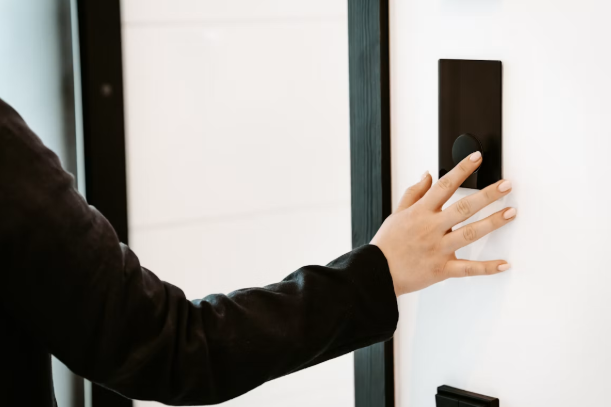

A safe and secure workplace is the bedrock of a productive and positive business. While traditional safety measures have always been important, today’s technology offers powerful new ways to protect your people, property, and assets. Integrating smart solutions transforms safety from a reactive checklist into a proactive, intelligent system that works around the clock.
This shift not only reduces risks but also clearly shows your commitment to employee well-being.
The Evolution of Workplace Safety
Workplace safety has changed dramatically over the decades. What once relied on physical locks, paper sign-in sheets, and manual patrols has evolved into a sophisticated network of interconnected technologies. The goal is no longer just to respond to incidents after they happen, but to prevent them from occurring in the first place. Modern safety strategies now rely on data, automation, and real-time information.
This proactive approach means spotting potential risks before they become real threats. For example, instead of just having a fire extinguisher, smart systems can include sensors that detect smoke and automatically alert the fire brigade, while also notifying key personnel. This evolution is about creating a smarter, more responsive safety environment that’s deeply integrated into a company’s daily operations, making security a seamless part of the workday rather than an occasional thought.
Controlling Access for Better Protection
Controlling who can enter your premises and move around inside is one of the most basic parts of securing a workplace. Traditional keys come with big risks; they can be lost, stolen, or copied, immediately creating security holes. Modern technology offers a much more secure and flexible solution. A digital access control system lets you grant and revoke permissions instantly, without the hassle of changing locks.
Using credentials like key cards, fobs, or even biometric data, you can define exactly who is allowed into specific areas, from the main entrance to sensitive server rooms or storage areas. You can also set time restrictions, making sure access is only possible during authorised hours. This detailed control not only stops unauthorised entry but also creates a digital audit trail, logging every access attempt. This provides invaluable data if an incident needs investigating. It’s a simple, effective way to strengthen your first line of defence.
Monitoring and Rapid Incident Response
Being able to see what’s happening on your premises is a powerful deterrent and an important tool for managing incidents. Modern CCTV systems do more than just record; they offer high-definition video and smart analytics that can automatically flag unusual activity. For instance, software can detect motion in a restricted area after hours and send an immediate alert to a security manager’s phone.
This capability for real-time incident alerts turns monitoring from a passive activity into an active security measure. When combined with other systems like access control and alarms, it creates a comprehensive response network. If an unauthorised access attempt is detected, cameras in that area can automatically start recording, and security personnel can be dispatched immediately. This drastically cuts down response times and minimises potential damage or loss.
Visitor Management for Secure Premises
Managing visitors, contractors, and delivery drivers is a crucial part of keeping a workplace secure. Traditional paper logbooks are inefficient, insecure, and offer little practical use in an emergency. Digital visitor management systems modernise this process, making it both more secure and more professional.
When a guest arrives, they can sign in on a tablet, where their details are securely stored. The system can automatically print a visitor badge, notify the employee they are there to see, and even require them to agree to health and safety policies before entry. If there’s an evacuation, this digital log provides an accurate, real-time list of every non-employee on site, which is important information for emergency services. It streamlines front-desk operations while ensuring you always know who is in your building.
Creating a Culture of Proactive Safety
Technology is only as good as the people who use it. Even the best security hardware and software need to be backed by a strong, company-wide culture of safety. When security measures are intuitive and easy to follow, employees are more likely to embrace them as part of their daily routine.
This means providing clear training on how to use new systems and explaining why these measures are in place. Encourage staff to report suspicious activity and make it easy for them to do so. When everyone understands their role in maintaining a secure environment, technology becomes a powerful enabler rather than just a set of rules. A proactive safety culture turns every employee into an active participant in protecting the workplace, creating a collective sense of responsibility and security.
Investing in safety technology is an investment in your people and your business’s future. Taking a proactive and integrated approach helps you create a working environment where everyone feels protected and valued.