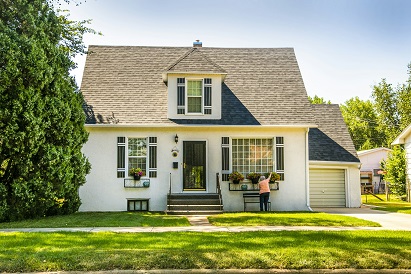

When it comes to increasing the value of your home, enhancing curb appeal is one of the most effective strategies. The exterior of a property is the first thing prospective buyers notice, and first impressions can significantly influence their perception of the home’s value. A well-kept exterior not only reflects the care and attention given to the property but also invites potential buyers to explore further.
Simple improvements can yield substantial results in boosting your home value improvement appeal. One of the most impactful upgrades is landscaping. Investing in vibrant plants, well-manicured lawns, and colorful flower beds can create an inviting atmosphere. Additionally, consider adding new mulch or decorative stones to your garden to give it a polished look. Regular maintenance of existing landscaping, such as trimming hedges, mowing the lawn, and weeding flower beds, also contributes to a pristine appearance.
Another straightforward way to enhance your home’s exterior is through painting. A fresh coat of paint can breathe new life into tired siding or front doors. Choose neutral colors that appeal to a wider audience while ensuring that the colors align with the neighborhood aesthetics. Furthermore, don’t overlook the importance of updating exterior fixtures. Replacing outdated light fixtures, doorknobs, and house numbers can dramatically uplift the home’s appearance and provide a modern touch.
These enhancements not only improve aesthetics but can also lead to a perception of increased value. By investing in curb appeal, homeowners can create an inviting entrance that captivates buyers and establishes a positive impression, thereby increasing the likelihood of a successful sale at a favorable price.
Upgrade Key Interior Areas
One of the most effective strategies to enhance your home’s value swiftly is to focus on key interior areas, with a particular emphasis on the kitchen and bathroom. These spaces not only influence how potential buyers perceive the home but also significantly contribute to overall livability and functionality.
Kitchen renovations can be particularly impactful, as this space is often considered the heart of the home. Simple upgrades, such as replacing outdated appliances with energy-efficient models, updating countertops to materials like quartz or granite, and re-facing cabinets can yield substantial returns on investment. Potential buyers often look for modern and functional kitchens, making this area a vital focus for upgrades. In fact, according to several real estate studies, a kitchen remodel can recover about 70% to 80% of the costs upon resale.
Bathrooms are another critical area to consider. Upgrades such as installing new fixtures, retiling, and modernizing the lighting can drastically improve the ambiance of these spaces. Adding a double sink or expanding a small bathroom can also enhance its appeal, especially in family-oriented households. A well-designed bathroom not only improves everyday convenience but also adds to the luxury experience prospective buyers are looking for.
Furthermore, flooring updates can significantly elevate the aesthetic of your home value improvement. Replacing old carpets with hardwood or laminate flooring not only improves visual appeal but is also easier to maintain, making it a wise investment. In addition to traditional updates, incorporating smart home technology can attract tech-savvy buyers. Installations such as smart thermostats, lighting systems, and security features can greatly enhance the comfort and security of the home.
In summary, focusing on key interior areas such as the kitchen, bathroom, flooring, and integrating modern technologies presents a promising avenue to increase your home’s value rapidly and effectively. Each of these upgrades can significantly boost the home’s overall appeal and marketability, reflecting positively on its valuation when it comes time to sell.
Maintenance and Repairs
Regular maintenance and prompt repairs are critical to safeguarding and enhancing your home value improvement. Homeowners who remain proactive in addressing issues can effectively prevent minor problems from escalating into major, costly repairs, which can significantly affect property value. Ensuring that your home is in top condition not only appeals to potential buyers but also creates a safe and comfortable living environment.
Key aspects of home maintenance should include routine inspections of vital systems such as plumbing, roofing, and HVAC systems. For instance, checking for leaks in your plumbing can save you from excessive water bills and potential water damage. Even small leaks can lead to mold growth, negatively impacting both the structure of your home and the health of its occupants. Scheduling a thorough plumbing inspection at least once a year can help identify issues early, making repairs more manageable.
Additionally, a roof inspection is essential to ensure that the integrity of your home is not compromised. Regularly assessing your roof for any signs of wear such as missing shingles or water stains inside the house can prolong its lifespan and prevent leaks during heavy rains. Addressing roofing issues swiftly can also prevent further structural damage and thus contribute to maintaining your home’s market value.
Regular HVAC maintenance should not be overlooked either. This includes changing filters, cleaning ducts, and ensuring that the system is functioning efficiently. An HVAC system that runs efficiently not only lowers energy costs but also extends the lifespan of the system—a key selling point for potential buyers.
By investing time and resources into regular maintenance and necessary repairs, homeowners can enhance their property’s appeal and retain its market value over time.
Energy Efficiency Improvements
Improving the energy efficiency of a home value improvement has emerged as a strategic approach to enhance property value while simultaneously lowering utility expenses. Many prospective buyers today prioritize energy efficiency, making these upgrades a key selling point. One of the most impactful changes that can be made is the installation of energy-efficient windows. These specialized windows help to minimize heat loss during colder months and keep the cool air inside during warmer weather. As a result, they not only reduce energy bills but also improve the overall comfort of the living environment.
In addition to windows, adding insulation is another effective way to bolster energy efficiency. Proper insulation in key areas such as the attic and walls can significantly reduce the amount of energy required to heat or cool a home. This upgrade not only leads to cost savings over time but it also contributes to a quieter home by minimizing external noise. Potential buyers are often more attracted to well-insulated homes, as they signify a commitment to maintaining comfort and reducing energy consumption.
Another innovation in energy efficiency is the integration of smart thermostats. These devices allow homeowners to monitor and control their heating and cooling systems remotely, facilitating optimal temperature regulation based on occupancy. Smart thermostats can learn individual schedules and preferences, leading to additional energy savings. The appeal of smart home technology and energy management resonates particularly well with tech-savvy buyers looking for modern conveniences.
Overall, investing in energy-efficient upgrades is a prudent way to increase a home’s market value while offering tangible benefits such as lower utility costs. For homeowners, reviewing Connecticut electricity rates can help quantify exactly how much these energy-efficient upgrades stand to save, a compelling figure to share with prospective buyers. By enhancing the home’s appeal through energy-efficient windows, insulation, and smart technologies, homeowners can effectively attract potential buyers and ensure a quicker sale at a favorable price.