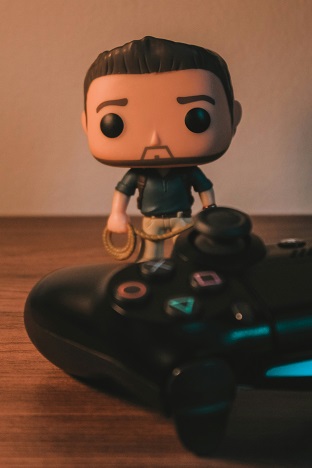

Pop culture, short for popular culture, refers to the set of ideas, practices, beliefs, and objects that are prevalent and widely embraced within mainstream society at a given point in time. It serves as a cultural touchstone, mirroring the values, norms, and trends that shape everyday life. This vast and dynamic landscape encompasses various forms of entertainment, including music, movies, fashion, television, and, more recently, social media. Each of these elements contributes to the overall tapestry of contemporary culture, influencing not only individual preferences but also societal expectations and collective behaviors.
The significance of pop culture extends beyond mere entertainment; it acts as a lens through which we can analyze the societal shifts and transitions that occur over time. As society evolves, so too does the content and themes prevalent in popular culture. From the rise of rock and roll in the 1950s to the digital explosion of social media influencers today, pop culture continuously reflects and shapes the zeitgeist. This interplay between culture and society is vital for understanding how ideas are disseminated and adopted, highlighting its role as a catalyst for change.
Moreover, pop culture is inherently inclusive, breaking down barriers across demographics and uniting diverse groups under shared interests and experiences. The accessibility of various mediums allows for a richer and more varied engagement with cultural products, fostering a sense of community among fans and participants alike. As we navigate the complexities of social interactions and communication in a modern context, the influence of pop culture becomes increasingly pronounced, underscoring its ability to inform and resonate with the collective consciousness.
Historical Context: The Evolution of Pop Culture
Pop culture, a term that encapsulates the ideas, trends, and phenomena prevalent in mainstream society, has undergone significant evolution since the early 20th century. Its roots can be traced back to the emergence of mass media, which marked the beginning of a new era in cultural dissemination. The advent of the radio in the 1920s was a pivotal moment, allowing music, news, and entertainment to reach a wide audience, thereby forging a collective cultural experience.
The post-World War II era saw a dramatic shift with the introduction and popularization of television. By the 1950s, television became a household staple, profoundly influencing American culture and the world at large. Iconic shows like “I Love Lucy” and events such as the Ed Sullivan Show became cultural touchstones, shaping contemporary values and social norms. This period marked the rise of celebrity culture, with television stars quickly becoming household names.
The 1960s and 1970s witnessed the rise of countercultural movements along with the explosion of rock and roll music. Artists like The Beatles and Bob Dylan not only revolutionized music but also reflected and influenced societal changes regarding race, gender, and politics. The emergence of music festivals, such as Woodstock, highlighted the fusion of music and social movements, thus deepening the relationship between cultural expression and the collective consciousness.
In the late 20th century, the impact of the internet ushered in a new phase of pop culture. Social media platforms, music streaming services, and online gaming have enabled a more interactive and participatory culture. Furthermore, the rapid exchange of ideas and trends across global networks has blurred geographic boundaries, allowing for a more diverse representation of cultural influences. As contemporary pop culture continues to evolve, it reflects an amalgamation of past influences and emerging technologies, illustrating a dynamic landscape characterized by constant change.
The Role of Technology in Shaping Pop Culture
The evolution of technology has had a profound impact on the landscape of pop culture, primarily due to the innovations in communication and content consumption. The advent of the internet and the subsequent rise of social media platforms have transformed how audiences engage with cultural phenomena, enabling a more dynamic and interactive experience than ever before. Streaming services, for instance, have revolutionized the way we access films, television series, and music. Platforms such as Netflix, Hulu, and Spotify allow users to consume content on-demand, breaking away from traditional broadcasting schedules and thus providing a personalized viewing experience.
Moreover, the instantaneous nature of the internet has led to the rapid dissemination of cultural trends. Social media networks like Twitter, Instagram, and TikTok serve as cultural barometers, where trends can emerge overnight and spread across the globe within hours. These platforms not only allow fans to engage with pop culture in real-time but also empower content creators to share their work with a wider audience, thereby democratizing the creation and distribution of cultural products.
The interactivity afforded by these platforms facilitates deeper engagement. Users can participate in conversations, share their opinions, and even influence trends through their interactions online. Popular memes, viral challenges, and the phenomenon of influencers exemplify how new forms of expression have emerged, fueled by technological advancements. Consequently, the shift towards a more participatory culture has changed the traditional dynamic between content creators and consumers. Technology, therefore, plays a pivotal role in shaping contemporary pop culture, marking a significant departure from past norms and allowing for a more interactive and engaging cultural experience.
Globalization of Pop Culture
Globalization has significantly shaped the modern pop culture landscape, making it more accessible and diverse than ever before. The advent of the internet and social media platforms has played a critical role in transcending geographical boundaries and enabling the rapid dissemination of cultural trends across the globe. As a result, elements of different cultures are not only shared but also blended, giving rise to new forms of expression in international film, music, and fashion.
The influence of globalization is vividly observable in the music industry, where artists from various cultural backgrounds collaborate, creating genre-defining fusion sounds. For instance, K-pop has made a substantial impact worldwide, drawing fans from regions far beyond South Korea. This phenomenon reflects a broader trend where cultural products originating from one part of the world influence others, resulting in a rich mélange of styles and influences.
Similarly, cinema has undergone a transformation due to globalization. International films, including Bollywood productions and independent cinema from different countries, have gained popularity, challenging the dominance of Hollywood. Streaming services have facilitated access to diverse cinematic expressions, allowing audiences to experience narratives that reflect various cultural perspectives.
Fashion, too, has seen the effects of globalization as designers increasingly draw inspiration from global cultural practices and aesthetics. Streetwear, for instance, often incorporates elements from multiple cultures, representing a collective response to consumer demand for diverse and inclusive fashion. By embracing cultural influences from around the world, brands have the opportunity to connect with a wider audience, ultimately fostering a greater appreciation for varied cultural heritages.
In conclusion, the globalization of pop culture demonstrates how interconnected our world has become. Through collaboration and cultural exchange, we experience a dynamic landscape that celebrates diversity and inclusivity, allowing for the emergence of a truly global pop culture narrative.
Pop Culture and Identity: Reflecting Societal Changes
Pop culture serves as a mirror to societal evolution, where elements such as identity, race, gender, and class are frequently showcased and interrogated. Through various forms of media—films, television shows, and music—pop culture not only reflects prevailing social norms but also actively influences them. For instance, movies like “Black Panther” and series such as “Pose” have offered authentic representations of race and gender identity, challenging antiquated stereotypes while fostering greater cultural awareness and acceptance.
Moreover, pop culture has played a pivotal role in amplifying social movements. The rise of platforms such as social media has allowed narratives surrounding identity and injustice to gain global attention rapidly. Themes of inclusion and representation have permeated mainstream media with increasing prominence, urging audiences to rethink and reshape their perceptions. The movement for LGBTQ+ rights, showcased vividly in both cinematic and musical works, exemplifies how pop culture can galvanize public support and effect change.
Furthermore, the portrayal of class dynamics in popular music and television has revealed systemic inequalities ingrained in society. For instance, shows like “The Fresh Prince of Bel-Air” and “Schitt’s Creek” explore class differences and the experiences tied to different socio-economic backgrounds, sparking conversations that encourage viewers to reflect on their own assumptions and biases. Through humor and drama, these narratives become tools for advocacy, questioning existing hierarchies and championing empathy.
In essence, pop culture does not merely entertain; it instigates profound societal discourse, urging societies to confront uncomfortable truths. As the landscape of media continues to evolve, the relationship between pop culture and social issues will likely grow more intricate, underscoring the importance of diverse representation in shaping identity and influencing the future of social movements.
The Rise of Influencers and New Forms of Pop Culture Icons
The evolution of pop culture has recently been characterized by the significant rise of social media influencers. These individuals have emerged as prominent figures, redefining the traditional notion of celebrity and altering how audiences engage with culture. Unlike conventional celebrities, social media influencers often cultivate their personas organically, gaining recognition through platforms like Instagram, TikTok, and YouTube, where they connect directly with their followers.
One notable example is Kylie Jenner, who transformed her personal brand into a billion-dollar enterprise through strategic social media engagement. By leveraging her influence to market beauty products, she has not only shaped trends but also changed consumer behavior by encouraging direct purchasing from her online platforms. Similarly, the well-known YouTube personality, MrBeast, has captivated millions with his philanthropic antics, using his platform to both entertain and positively impact communities.
The impact of influencers extends beyond mere trends; they have significantly influenced consumer decision-making. According to recent studies, consumers often perceive influencers as more relatable than traditional celebrities, leading to higher levels of trust in their endorsements. This shift has prompted brands to allocate larger budgets for collaborations with influencers, as they recognize the potential for outreach within targeted demographics. For instance, fashion and lifestyle brands often partner with micro-influencers who may have smaller followings but more engagement, allowing them to reach niche audiences effectively.
Moreover, influencers play a crucial role in the dissemination of cultural shifts, such as the rise of sustainable fashion or the promotion of mental health awareness. By amplifying these conversations, they influence not just consumer behavior but societal norms as a whole. This new wave of pop culture icons indicates a significant shift in how identities and trends are formed and spread in contemporary society, ultimately challenging the traditional hierarchies of fame and influence.
Nostalgia and the Retro Influence in Pop Culture
Nostalgia has increasingly permeated contemporary pop culture, creating a powerful connection that resonates with audiences seeking comfort and familiarity in an ever-changing landscape. Over the past two decades, there has been a significant resurgence of retro influences, manifesting in various aspects such as music, fashion, and film. This revival of past trends is fueled by several factors, including the cyclical nature of cultural phenomena and the emotional responses they evoke in individuals.
One prominent manifestation of this nostalgia is the trend of remakes and reboots in cinema and television. Classics from previous decades are being reimagined for new audiences, showcasing familiar narratives while often integrating modern sensibilities. Examples include the resurgence of beloved franchises, where iconic characters are revitalized, appealing not only to those who grew up with them but also introducing them to younger generations. Such nostalgic retellings highlight the enduring appeal of established stories and their ability to bridge generational gaps.
In addition to film and television, fashion has also experienced a notable return to retro styles, with designers and brands drawing inspiration from past decades. This cyclical inclination towards vintage aesthetics allows for a blend of nostalgic elements in contemporary fashion, creating a sense of timelessness that appeals to a diverse consumer base. Similarly, music has seen revivals of genres and trends, echoing the sounds of the past while integrating modern production techniques, resulting in a fresh yet familiar auditory experience.
The factors contributing to the rise of nostalgia in pop culture are complex, reflecting a collective yearning for simpler times amidst the complexities of modern life. In this landscape, nostalgia serves not only as a commercial strategy but also as a means of emotional connection, allowing individuals to embrace the past while navigating the present. This intertwining relationship between nostalgia and contemporary culture signifies a persistent fascination with the elements that define our shared experiences over time.
Criticism and Controversies in Pop Culture
Pop culture is a dynamic and influential sphere that often reflects and shapes societal values. However, it is not without its criticisms and controversies, particularly regarding cultural appropriation, commercialization, and media saturation. Cultural appropriation is one of the most contentious issues in the evaluation of pop culture, where elements from marginalized cultures are adopted by dominant groups, often without proper understanding or respect. This practice can lead to a superficial engagement with deep-rooted traditions, where cultural symbols are commodified, stripped of their significance, and repackaged for profit.
Commercialization within pop culture has also sparked significant debate. The entertainment industry aims to generate revenue, which can lead to the prioritization of profit over artistic integrity. As a result, content may be tailored to fit narrow market demands, potentially stifling originality and diversity. This trend is exacerbated by the saturation of media outlets, where an overwhelming number of platforms compete for attention, leading to repetitive themes and formulaic storytelling. This ubiquity can diminish the unique cultural narratives that deserve to be shared and appreciated.
Moreover, the ethical considerations surrounding representation in pop culture cannot be overlooked. The portrayal of different demographics can perpetuate stereotypes or misrepresent societal issues, leading to harmful perceptions that affect public opinion. As consumers become increasingly aware of these issues, the demand for authentic and responsible storytelling in pop culture continues to grow. Creators are urged to engage in thoughtful representation, ensuring a diverse range of voices and experiences are accurately depicted.
In essence, criticism of pop culture reveals much about societal tensions and the ongoing struggle for equitable cultural narrative. Addressing these controversies requires deliberate action from media creators and consumers alike, promoting an environment where cultural appreciation is prioritized over appropriation.
The Future of Pop Culture
The future of pop culture is likely to be shaped by an intricate interplay of technological advancements, shifting societal values, and evolving consumer preferences. As we look ahead, several trends are anticipated to influence the trajectory of this vibrant landscape.
First and foremost, technology will continue to play a pivotal role in the evolution of pop culture. The rise of streaming services, social media platforms, and interactive technologies is transforming the way content is created and consumed. With platforms like TikTok setting new standards for engagement, the accessibility of content allows diverse voices to be heard, leading to a more inclusive representation of cultures and lifestyles. This democratization of media is expected to foster creativity and innovation, giving rise to unique trends that may redefine existing norms.
Additionally, the increasing globalization of entertainment is noteworthy. As audiences around the world become more interconnected, they will embrace elements from various cultures, resulting in a richer tapestry of pop culture. The fusion of different styles, languages, and artistic expressions is likely to produce an influx of new genres, narratives, and trends, further enhancing the diversity of the cultural landscape.
Moreover, societal values are poised to further influence pop culture. Movements advocating for social justice, sustainability, and mental health awareness will likely manifest in mainstream media. Content creators may prioritize themes that reflect these values, thereby resonating with audiences who increasingly seek authenticity and meaningful storytelling.
In conclusion, the future of pop culture appears dynamic and promising. With technology at the forefront, the global exchange of ideas will pave the way for innovative narratives and genres. As societal values continue to evolve, the cultural landscape will reflect these changes, giving way to a new era of expression and engagement in pop culture.