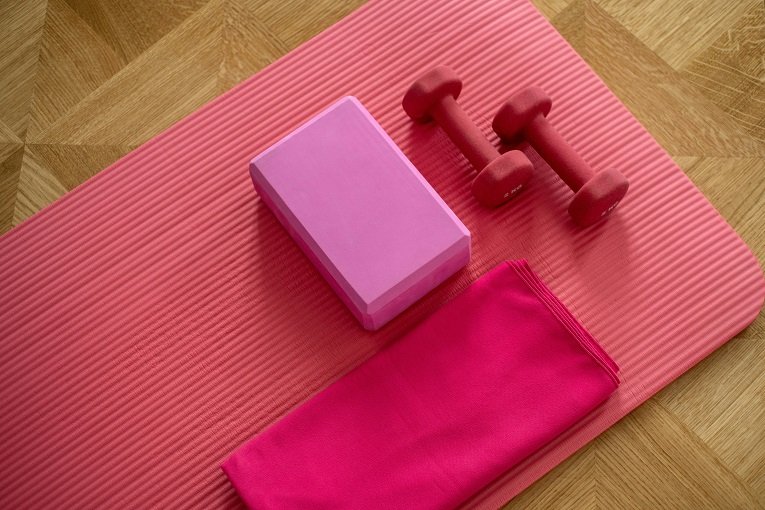

In contemporary work environments, where sedentary behavior has become increasingly prevalent, it is vital to incorporate physical activity into daily routines. Staying active at work can significantly enhance an individual’s overall well-being and productivity. Many employees are often confined to their desks for extended periods, leading to negative health effects, such as obesity, cardiovascular disease, and musculoskeletal disorders. Thus, introducing home workouts during work hours can provide a solution to this growing concern.
Research indicates that engaging in regular physical activity can lead to improved concentration, reduced fatigue, and enhanced mental clarity. When individuals partake in home workouts or even simple exercises during breaks, they stimulate blood circulation and oxygen flow to the brain. This can translate into sharper focus and improved problem-solving abilities, crucial components for success in any profession.
Additionally, physical exercise is known to be an effective stress reliever. Exercise releases endorphins, which are hormones that promote feelings of happiness and relaxation. In high-pressure work environments, incorporating short bursts of physical activity can mitigate stress levels, ultimately contributing to a more harmonious workplace atmosphere. Home workouts are particularly beneficial as they do not require a gym membership or elaborate equipment; they can be performed with minimal space and time, making them adaptable to even the busiest of workdays.
By prioritizing movement throughout the workday, employees can cultivate healthier habits, leading to a more balanced lifestyle. This commitment to an active routine is essential not only for personal health but also for fostering an organizational culture that values employee well-being. Ultimately, addressing sedentary behavior through manageable home workouts can result in happier, healthier, and more productive employees.
Identifying the Right Time and Space for Workouts
Incorporating physical activity into a busy workday can be streamlined through effective time management and spatial awareness. To begin, it is essential to identify optimal times for engaging in mini workouts. A common approach is to schedule these activities during natural breaks throughout the day. For example, utilizing short breaks, such as those that occur mid-morning or mid-afternoon, can provide ample opportunities for brief exercise sessions without overwhelming the work schedule.
Additionally, many employees find that taking a fitness break during lunch not only invigorates them but also enhances productivity during the second half of the day. Setting a reminder for a 10-15 minute workout can serve as inspiration to step away from work tasks. When it comes to virtual meetings or tasks that require less physical engagement, stand-up stretches or desk exercises can also be incorporated seamlessly.
Identifying suitable spaces for workouts is equally crucial. In a home office setting, this could mean designating a specific area away from distractions where physical activities can be conducted freely. Some particularly useful spaces might include a clear section of the living room, a home gym setup, or even a backyard, provided the weather permits. For those in a traditional workplace, transforming a break room or a quiet conference room into a temporary workout area can promote a healthier lifestyle.
Moreover, consider the accessibility of equipment such as yoga mats, resistance bands, or simple weights that can be kept close by. This allows for flexibility in choosing when and where exercise can take place. By thoughtfully selecting the right time and creating a conducive environment for mini workouts, individuals can significantly enhance their overall well-being and productivity at work.
Basic Equipment for Home Workouts
Creating an effective workout regimen at home or even at your workplace requires the right equipment. However, you do not need to invest in a fully equipped gym; a minimal selection of equipment can provide a comprehensive workout. Here are some essential pieces of equipment that can enhance your home workout experience.
Resistance bands are a versatile and portable option, ideal for strength training and flexibility exercises. They come in various resistance levels, making it easy for you to tailor the intensity of your workouts as you progress. Their lightweight nature allows for easy storage and transport, making them perfect for quick sessions at home or during breaks at work.
Dumbbells are another staple in any workout routine. They are available in a variety of weights and can be used for a wide range of exercises— from bicep curls to tricep extensions. Moreover, adjustable dumbbells are an excellent choice, as they enable you to switch weights quickly without taking up too much space in your home or office.
Yoga mats provide a comfortable and safe surface for various workouts and stretches, especially for exercises that require grounding and stability. Investing in a good-quality yoga mat can enhance your practice significantly, whether you are performing yoga poses, engaging in core workouts, or doing bodyweight exercises.
For those looking to exercise without any equipment, bodyweight exercises are an excellent alternative. Movements such as squats, push-ups, and lunges leverage your body weight for resistance and can be performed anywhere. These exercises help build strength, flexibility, and cardiovascular endurance without the need for additional equipment, making them ideal for spontaneous workouts at work.
Types of Workouts Suitable for Beginners
For individuals seeking to incorporate fitness into their workday, there are several types of workouts that are beginner-friendly and can be executed within a limited timeframe. These accessible workouts can significantly enhance physical and mental well-being during the work period, making them an ideal choice for those new to exercising.
Bodyweight exercises are among the simplest and most effective forms of workouts for beginners. They require no equipment and can be performed in a small space. Examples include push-ups, squats, and lunges, all of which engage multiple muscle groups and help improve strength and mobility. Furthermore, these exercises can easily be modified in intensity, making them suitable for people of varying fitness levels.
Stretching is also vital for those who spend long hours at a desk. Incorporating a stretching routine can alleviate tension, improve flexibility, and counteract the negative effects of prolonged sitting. Simple stretches focusing on the neck, shoulders, and lower back can be performed discreetly and require minimal time, making them an excellent choice for work settings.
Yoga is another beneficial workout that emphasizes breath control and mindfulness while enhancing flexibility and strength. Beginners can explore simple yoga poses such as the cat-cow stretch or child’s pose, which can be performed at a desk or a designated space in the office. These poses not only improve physical fitness but also aid in reducing stress and enhancing focus.
Fast-paced cardio sessions, like jumping jacks or high knees, can also be included in a brief workout routine. These exercises elevate the heart rate and promote cardiovascular health while being manageable for beginners. Even a quick five-minute session can invigorate an individual and lead to increased productivity.
Creating a Workout Schedule
To effectively incorporate fitness into your daily routine, establishing a workout schedule is crucial. This schedule should seamlessly fit within your workday, allowing you to manage your time efficiently without compromising your professional obligations. A well-structured plan can help maintain motivation and consistency, making it easier to achieve your fitness goals.
When developing a workout schedule, consider the frequency of your workouts. For beginners, aiming for three to four sessions per week is often manageable. This allows your body to adapt to new exercises while providing ample rest days to prevent burnout. As you progress, you might consider increasing the number of weekly workouts based on your comfort level and fitness objectives.
The duration of each workout is another important aspect to address. For busy professionals, even short sessions can be highly effective. Aim for a minimum of 20 to 30 minutes per workout; this can easily be achieved during breaks or before and after work. High-intensity interval training (HIIT) is particularly beneficial, as it provides a comprehensive workout in a shorter time frame.
Consistency is key to any successful fitness routine. To maintain your schedule, set specific times for your workouts, treating them as unmissable appointments. Utilize calendar apps or reminders to stay on track. It may also prove beneficial to identify a workout buddy or support group—having a partner can increase accountability and enjoyment.
Finally, be mindful of your work commitments. Pay attention to peak office hours and plan your workouts accordingly, ensuring that they do not interfere with critical work tasks or meetings. By being flexible and adaptable, you can create a sustainable workout schedule that enhances your overall well-being without overwhelming your work responsibilities.
Integrating Workouts into Daily Routines
Incorporating physical activity into your daily work routine is not only important for maintaining health but can also enhance productivity and overall well-being. Simple adjustments to everyday tasks can create ample opportunities for movement throughout the workday. One effective method is opting for stairs instead of elevators. This minor change can promote cardiovascular health and build lower body strength. Not only does it provide a quick boost of energy, but it also breaks the monotony of sitting during office hours.
Another way to integrate workouts into your schedule is by performing desk exercises. These exercises can be brief and simple, such as chair squats, seated leg lifts, or shoulder rolls, allowing employees to engage in muscle activation without needing elaborate equipment. By designing a brief routine that can be performed at your workspace, you not only stimulate blood circulation but also alleviate the stiffness that often accompanies long periods of sitting.
Additionally, utilizing breaks for stretching or quick walks can significantly impact your physical and mental health. Even short intervals of stretching can reduce muscle tension and improve flexibility. During breaks, consider taking a stroll around the office or outside, which can provide a refreshing change of scenery while simultaneously boosting mood and cognition.
As you look to embed physical activity into your working day, timing is crucial. Find moments where you can seamlessly incorporate these practices without disrupting your workflow. The key is consistency; creating habits around movement during work hours can foster a healthier work environment and contribute to long-term fitness goals.
Finding Motivation and Staying Accountable
Staying motivated while engaging in home workouts can present unique challenges, particularly in a work environment. To foster a sustained fitness routine, it is important to establish clear and realistic goals. Setting achievable milestones not only provides a sense of direction but also helps to maintain enthusiasm. Goals can range from increasing workout frequency to improving specific exercises or even completing a certain number of workouts per month. When goals are attainable, individuals are more likely to stay committed to their fitness journeys.
Utilizing fitness apps can serve as an effective tool in the quest for motivation. These applications often offer workout tracking, video demonstrations, and even personalized routines that cater to specific fitness levels. Furthermore, many fitness apps incorporate social features, allowing users to share progress and accomplishments with friends or colleagues. This element of community can significantly increase accountability and make the experience more enjoyable.
Joining online communities dedicated to fitness can also enhance motivation. These platforms enable individuals to connect with others who share similar goals and challenges. Engaging in discussions, sharing successes, or even participating in virtual challenges can create a supportive environment conducive to accountability. It fosters a sense of camaraderie that can inspire continued commitment to regular exercise.
Encouraging participation amongst colleagues can amplify motivation within the workplace. Consider organizing group workout sessions via video conferencing tools or starting a fitness challenge aimed at fostering friendly competition. Such initiatives can create an inclusive atmosphere where everyone is motivated to partake in home workouts. Collaboratively supporting one another can lead to improved fitness outcomes while reinforcing social bonds among colleagues.
Overcoming Common Barriers to Home Workouts
Embarking on a fitness journey at home presents numerous challenges that can deter individuals from effectively working out. Among the most prevalent barriers are time constraints, limited space, and insufficient energy. Addressing these obstacles is crucial for cultivating a consistent exercise regime.
Firstly, the issue of lack of time is often cited as a primary deterrent to home workouts. In today’s fast-paced environment, many individuals grapple with busy schedules. However, by implementing time management strategies, such as scheduling a specific workout time into one’s daily routine, individuals can allocate 20-30 minutes solely for exercise. High-Intensity Interval Training (HIIT) and bodyweight exercises can maximize results within a limited timeframe, allowing individuals to prioritize their health without significant time investment.
Space constraints are another barrier frequently encountered in home workouts. Not everyone has the luxury of a dedicated workout area. Nonetheless, working out does not require a large space or an extensive array of equipment. Simple adjustments, such as utilizing a corner of a living room or a balcony for exercise, can be effective. Moreover, utilizing minimal equipment like resistance bands or a yoga mat can greatly enhance workout variety without requiring substantial space. Incorporating exercises that utilize one’s body weight, such as squats and push-ups, further negates the need for expansive areas.
Finally, fatigue often hinders motivation for regular exercise. Finding the right time of day to work out, such as early morning or during lunch breaks, can be beneficial. Additionally, setting realistic goals and keeping workouts enjoyable through varied routines can help sustain energy levels and motivation. By addressing these barriers, individuals can feel empowered to establish and maintain a successful home workout routine that aligns with their lifestyle.
Conclusion: Taking the First Steps Towards a Healthier Workday
As we have discussed throughout this guide, incorporating home workouts into your workday is not only feasible but also beneficial for maintaining physical and mental well-being. With the right strategies in place, such as setting designated workout times, utilizing simple equipment or even bodyweight exercises, and creating a supportive environment, you can seamlessly integrate physical activity into your daily routine.
The importance of staying active during work hours cannot be overstated. Regular movement helps alleviate the negative impacts of prolonged sedentary behavior, which is often a common aspect of modern work life. Engaging in home workouts can lead to improved productivity, enhanced focus, and overall better health. Furthermore, taking just a few minutes a day for physical activity can contribute to long-term health benefits, such as reduced risk of chronic diseases and improved mental health.
Before embarking on your journey to incorporate home workouts, consider assessing your preferences and available resources. Determine what types of exercises excite you and align with your fitness level. This personal approach will not only make your workouts enjoyable but also increase the likelihood of consistency. Remember, starting small is vital; you can gradually increase the intensity and duration of your workouts as you become more comfortable.
In conclusion, taking the first steps toward a healthier workday is an achievable goal. By prioritizing physical activity and making it a part of your work life, you are investing not only in your physical health but also in your overall quality of life. Embrace the opportunity to make home workouts a regular part of your routine, and experience the positive change it brings to your day-to-day activities. Now is the perfect time to begin your journey towards a healthier lifestyle!