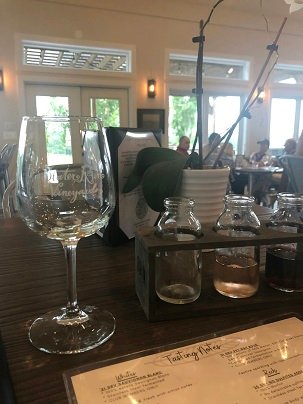

Wine tasting techniques is an age old practice that transcends mere consumption. It serves as a nuanced exploration of flavors, aromas, and the intricate profiles of the various wines available. Engaging in this art form allows enthusiasts and connoisseurs alike to cultivate a deeper understanding and appreciation for wine. The tasting process transforms what might be a simple beverage into a complex array of sensory experiences, highlighting the subtleties that differentiate one varietal from another.
Culturally, wine tasting holds a significant place across various societies, often associated with celebration, companionship, and culinary delight. Many regions worldwide have developed unique traditions and rituals surrounding the appreciation of wine. These practices contribute not only to the enjoyment of wine but also to the understanding of its origin, production techniques, and the terroir from which it comes. As participants savor the wine, they also often share stories of the vineyard and the winemaking process, enriching the experience with historical context.
To fully embrace the art of wine tasting techniques, one must learn specific techniques and approaches to evaluate wines systematically. Subsequent sections of this blog post will cover these important facets, including visual analysis, aroma consideration, and palate assessment. Together, these elements form the foundation for tasting wine like a professional rather than simply as a casual drinker. By cultivating these skills, individuals can enhance their overall wine experience and communicate their findings with clarity and confidence.
The Importance of Glassware
The choice of glassware is a crucial factor that can significantly influence the wine tasting techniques experience. Different types of wine glasses are designed to enhance the sensory qualities of distinct wines, including their aroma, flavor, and overall enjoyment. Selecting the appropriate glass not only complements the wine but also elevates your tasting experience.
When it comes to red wines, glasses typically feature a wider bowl that allows for greater surface area exposure to air. This shape promotes oxidation, encouraging the release of aromatic compounds that are pivotal in the overall tasting process. For example, a Cabernet Sauvignon is ideally paired with a glass that has a broad bowl, which facilitates the evaporation of volatile aromatic elements. In contrast, lighter red varietals such as Pinot Noir benefit from a slightly narrower glass, which helps preserve the delicate aromas.
White wines, on the other hand, are typically served in glasses that have a more slender profile. This shape aids in preserving the cooler temperatures often associated with white wines while simultaneously concentrating the intricate aromas. A Sauvignon Blanc is well-served in a flute or a tulip-shaped glass, designed to enhance its freshness and aromatic lift. Sparkling wines like Champagne, benefit from flutes due to their elongated shape, which supports the rise of bubbles, enhancing the sensory experience.
The glassware’s material also comes into play. Crystal glasses are highly sought after for their clarity and ethereal lightness, allowing the wine’s color to shine through and the aromas to blossom. Regular glass, while functional, may not provide the same level of sensory elevation as finer crystal options. Ultimately, selecting the right glassware for each type of wine can greatly enhance the tasting experience, allowing consumers to appreciate the subtleties and complexities that each wine has to offer.
Visual Aspects: Appearance of Wine
The first step in tasting wine like a professional entails a careful observation of its visual characteristics. The appearance of wine is not merely superficial; it offers insights into the wine’s age, type, and potential flavor profile. When examining a glass of wine, several key aspects warrant attention: color, clarity, and viscosity.
Color is one of the most immediate indicators of a wine’s identity. For white wines, the spectrum can range from pale straw to deep golden hues. A lighter color often suggests youth, while deeper shades may indicate maturation and the influence of oak. Red wines can exhibit a variety of colors as well, from vibrant ruby to deep purple or even brownish tones, which can signify age. Observing these colors can provide insight into the grape variety used and the wine’s overall style.
Clarity is another significant factor when assessing a wine’s appearance. A wine should typically be clear and free from sediments, which could indicate improper filtering or aging. However, some natural wines are intentionally cloudy due to minimal intervention. When evaluating clarity, it is beneficial to hold the glass up to the light; this not only enhances one’s ability to see through the wine but also makes any visual imperfections more apparent.
Viscosity, often referred to as “legs” or “tears,” is the manner in which the wine flows down the sides of the glass. Wines with higher alcohol content or residual sugar tend to display a thicker, oily texture, resulting in slower-moving legs. This characteristic can hint at the wine’s body and sweetness level, offering further clues as to what one might expect on the palate.
In conclusion, the visual examination of wine serves as an essential foundation in the wine tasting process, providing a wealth of information that guides the taster in deeper exploration of flavor and aroma.
The Art of Swirling and Sniffing
When it comes to wine tasting, few skills are as pivotal as the ability to swirl and sniff effectively. This technique serves not only to enhance the sensory experience but also to unveil the complex aromatic profile of the wine. Swirling wine in the glass allows oxygen to interact with the liquid, facilitating the release of its volatile compounds. As a result, the act of swirling can significantly amplify the aromatic bouquet, offering a deeper understanding of the wine’s characteristics.
To properly swirl wine, begin by holding the base of the glass firmly on a flat surface. Then, gently rotate your wrist to create a circular motion. As the wine moves, observe how the liquid clings to the sides of the glass, a phenomenon known as “legs.” This can provide insight into the wine’s alcohol content and viscosity. After swirling, allow the glass to settle for a moment before approaching the aroma.
When sniffing, it is essential to approach the glass with an open mind. Take a moment to inhale deeply through your nose, utilizing both the upper and lower nostrils. This method can yield different aromatic nuances. Be patient and focus on the various scents that may emerge. Common aromas include fruity notes such as berries or citrus, floral hints, and earthy undertones. As you become more adept at tasting, you may even discover more intricate scents like vanilla, spice, or oak, which are often imparted during the aging process.
Keep in mind that the temperature of the wine can greatly influence its aroma. For instance, red wines should be slightly warmer than white wines to enhance their olfactory nuances. In conclusion, mastering the art of swirling and sniffing is an essential component of professional wine tasting. By honing this skill, you will develop a greater appreciation for the diverse world of wine.
Identifying Flavors on the Palate
Tasting wine is an art that involves more than just sipping. It requires careful attention to various components that contribute to the overall flavor profile. To properly embark on this sensory journey, begin by taking a small sip and allowing the wine to coat your palate. This method will enable you to discern the distinct flavors more clearly.
The first aspect to consider is acidity. This quality is typically what gives wine its lively character and can often be perceived as a crisp or refreshing sensation. An acidic wine may evoke flavors of citrus or tart green apples, while the absence of acidity can make a wine taste flat and unexciting. Pay close attention to how the acidity interacts with other flavors as it can enhance or diminish sweetness and complexity.
Next, assess the sweetness level of the wine. Sweetness ranges from bone-dry to lushly sweet, which directly affects the tasting experience. Sweet wines often highlight flavors such as honey, ripe fruits, or even residual sugars that may linger on the palate. This interaction of flavors can provide a richer tasting experience, especially when balanced with sufficient acidity.
Tannins, another critical component, are most commonly associated with red wines. They impart a drying sensation on the gums and tongue, which can affect how flavors are perceived. Tannins can add structure and complexity, often lending notes of dark fruits, spices, or even earthy undertones to the wine.
Lastly, consider the body of the wine, which refers to the weight and fullness felt on the palate. A full-bodied wine may offer a more intense and layered flavor experience, while light-bodied wines can deliver a more delicate and refreshing taste. By recognizing these components, you can enjoy a more nuanced tasting experience that allows for the identification of complex flavors inherent in each wine.
The Finish: Evaluating Aftertaste
The finish of a wine, often referred to as the aftertaste or “lingering” sensation, is a critical component of the tasting experience. It is an indication of the wine’s overall quality and can provide valuable insights into its complexity and character. Understanding the finish will enhance your ability to appreciate wine on a deeper level.
When evaluating the finish, it is essential to consider both its length and complexity. The length refers to how long the flavors persist on your palate after you swallow. A longer finish is generally associated with higher quality wines, as it suggests a more intricate balance of flavors. Conversely, a short finish may indicate a wine that lacks depth or complexity. To assess the length, take a sip and allow the wine to coat your mouth. Then, swallow and pay attention to how long the flavors linger. Count how many seconds the aftertaste persists; typically, a finish that lasts more than ten seconds is considered notable.
Complexity in the finish can reveal layers of flavor that may not have been evident during the initial stages of tasting. This complexity often stems from the grape variety, winemaking techniques, and aging process. For instance, a wine with a varied finish might present notes of fruit, spice, or earth, which unfold gradually after swallowing. To evaluate complexity, notice how the flavors transition over time. Are they consistent, or do they evolve, offering new sensations? Such observations can provide important clues about the wine’s character.
Overall, the finish plays a pivotal role in the tasting journey. By paying attention to both length and complexity, you can gain invaluable insights into the quality and craftsmanship of the wine, elevating your tasting experience significantly.
Pairing Wine with Food
Wine and food pairing is an essential aspect of enhancing the overall tasting experience. The goal of pairing is to find a harmonious balance between the flavors of the wine and the dish served. Certain wines complement specific foods, enhancing the overall enjoyment for the palate. Achieving a successful pairing starts with understanding both the characteristics of the wine and the flavors in the food.
One fundamental guideline is to match the weight of the wine with the weight of the food. For instance, lighter wines such as Sauvignon Blanc or Pinot Grigio go well with delicate dishes such as seafood or salads. Conversely, fuller-bodied wines like Cabernet Sauvignon or Syrah pair nicely with richer, more robust dishes like steak or hearty pasta. This principle ensures that neither the wine nor the food overpowers the other.
Another guideline is to consider the dominant flavors present in the dish. A wine tasting techniques that mirrors the key flavors found in a meal often creates a more cohesive experience. For example, a zesty, citrus-forward white wine complements dishes featuring lemon or vinegar, while a bold red wine can enhance grilled meats that have a smoky flavor. When incorporating spices and herbs into a dish, it is essential to pay close attention to their profiles, as they can significantly influence the choice of wine.
Sweetness is another factor to consider. A sweet dessert wine, such as Sauternes, pairs beautifully with rich desserts, as it matches the sweetness of the dish and prevents the wine from tasting too dry. On the other hand, pairing a dry wine with a sweet dish can lead to an unbalanced tasting experience.
Ultimately, the art of pairing wine with food is subjective, and personal preferences play a significant role. Experimenting with different combinations while keeping these basic guidelines in mind can lead to delightful discoveries and expanded horizons in your wine tasting journey.
Keeping a wine tasting techniques Journal
Keeping a wine tasting techniques journal is a valuable practice for both novice and experienced wine enthusiasts. This tool not only tracks your personal wine tasting experiences but also enhances your ability to appreciate and understand the nuances of different varietals. By diligently recording your thoughts and observations, you can cultivate a refined palate, making each tasting experience more enriching.
When starting your wine journal, it is beneficial to note specific details about each wine you sample. Key elements to include are the wine’s name, vintage, and producer, as well as the region from which it originates. Additionally, observe the color, aroma, taste profile, and finish of the wine. These sensory details are vital in developing a deeper appreciation for the characteristics that define different wines. Do not hesitate to convey emotional responses or personal impressions while tasting, as this subjective input can illuminate your individual preferences.
Organization is crucial when maintaining a wine journal. Consider structuring your entries chronologically or categorically by varietal or region. Utilizing a digital format can enhance flexibility, allowing for easy searching and sorting of past entries. However, a traditional notebook also gives a tactile experience, which some prefer for creative expression. Regardless of format, consistency is key—as keeping thorough notes helps you track your evolving tastes and preferences.
The advantages of regularly reflecting on your wine journal are manifold. It enables you to identify patterns in your wine choices, discover new favorites, and analyze which flavors resonate with your palate. Looking back at previous tastings can also aid in recalling pairings and occasions. Ultimately, a wine journal serves as both a personal narrative of your wine journey and a practical resource for future sipping adventures.
Conclusion: Making Wine Tasting a Habit
Tasting wine like a professional is an enriching experience that goes beyond mere enjoyment. It involves a cultivated understanding of various factors, including aroma, taste, and the significance of terroir. The practice of wine tasting can be made systematic, allowing individuals to explore a remarkable variety of wines and develop a more discerning palate. As established in this discussion, engaging in regular wine tastings can significantly enhance one’s appreciation for the subtleties of different wines.
To make wine tasting a habitual practice, individuals should consider setting aside time to explore various types of wine tasting techniques, whether at home or at local wineries. Joining wine clubs or participating in tasting events can foster a sense of community and offer valuable opportunities to share knowledge and experiences with like-minded enthusiasts. Additionally, keeping a tasting journal is an excellent way to track one’s impressions, preferences, and discoveries, thus enhancing future tasting experiences.
Furthermore, as one delves into the world of wine tasting techniques, it is essential to remain open to new possibilities. Exploring wines from diverse regions and varietals can unlock a treasure trove of flavors and aromas that may surprise even seasoned tasters. Pairing wine with different cuisines also adds a new dimension, allowing one to appreciate the intricate relationship between food and wine.
In conclusion, by making wine tasting a regular habit, enthusiasts elevate their wine experiences, fostering a lifelong passion for this sophisticated art. As you develop your skills and understanding, the journey of discovering new wines becomes an enjoyable adventure, enriching both your knowledge and taste in wine. Embrace this path, and you will find that wine tasting holds infinite possibilities for enjoyment and learning.