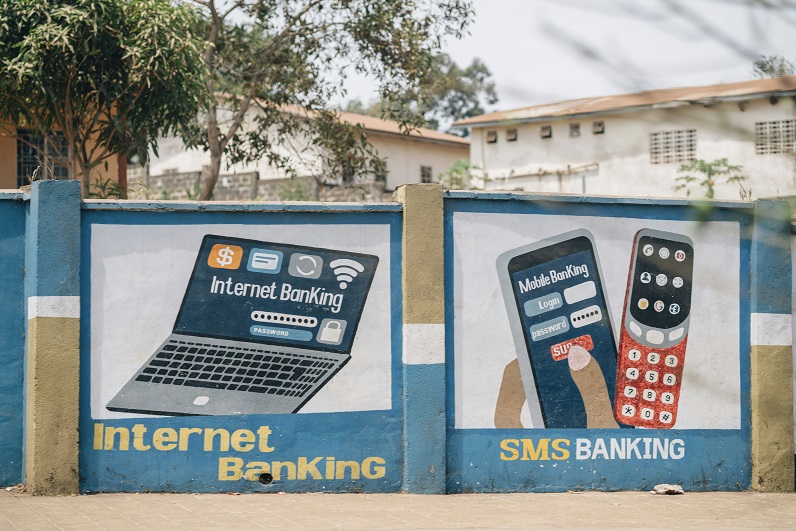

Fintech, a portmanteau of “financial technology,” refers to the emerging sector that leverages technology to enhance or automate financial services and processes. The evolution of fintech parallels advancements in technology, particularly the proliferation of the internet and mobile devices, enabling a shift from traditional banking to more innovative solutions. Digital banking represents a segment of fintech, encompassing online platforms that provide banking services without the need for physical bank branches. This seamless integration of technology into finance aims to make services more accessible and efficient for consumers. Historically, the financial services sector was characterized by its reliance on physical infrastructure, such as bank branches and ATMs. However, with the integration of technology, we have witnessed the rise of neobanks—digital-only banks that operate entirely online. These institutions challenge conventional banks by offering streamlined services, often with lower fees and superior user experiences. Likewise, traditional banks have begun adopting digital services, driven by the demand for online transactions and improved customer interactions.
Payment processing has also transformed through fintech innovations, introducing solutions like mobile payment applications and peer-to-peer (P2P) payment systems. These tools facilitate seamless transactions and empower consumers with greater control over their finances. Furthermore, digital banking significantly contributes to the broader digital transformation within the industry, promoting efficiency, security, and convenience. As a result, customers can access a multitude of services from anywhere at any time, thus enhancing their overall banking experience.
In summary, the rise of fintech and digital banking represents a pivotal shift in how financial transactions are conducted. By blending technology with banking services, the sector continues to evolve, reflecting changing consumer expectations and preferences in an increasingly digital world.
The Growth and Popularity of Fintech
The financial technology, or fintech sector, has experienced remarkable growth in recent years, driven by several interrelated factors. One of the primary catalysts for this expansion is the increasing consumer demand for convenience and efficiency in financial services. As digital natives form a significant portion of the global population, their expectations for seamless, fast, and user-friendly services have prompted traditional banks to rethink their offerings. Fintech solutions, with their easy-to-use platforms and instant services, cater to this demand effectively, capturing the attention of both consumers and investors.
Technological advancements also play a crucial role in the acceleration of fintech. Innovations in mobile technology, artificial intelligence, and data analytics have enabled fintech companies to provide personalized services, improve risk assessment, and streamline operations. For instance, platforms like Revolut and Square have harnessed these technologies to revolutionize how consumers manage their finances, from international money transfers to point-of-sale solutions. The adoption of blockchain technology is another significant contributor, enhancing security and transparency while reducing transaction costs.
Moreover, regulatory changes have fostered an environment where innovation can thrive. Governments and regulatory bodies worldwide have recognized the potential of fintech to disrupt and enhance financial systems. Initiatives such as regulatory sandboxes allow startups to test new products under a controlled environment, fostering creativity without compromising consumer protection. Countries like the United Kingdom and Singapore exemplify such progressive approaches, leading to a burgeoning landscape of fintech companies driving economic growth.
In summary, the convergence of consumer demand for innovative solutions, technological progress, and supportive regulatory frameworks has led to the meteoric rise of fintech. As this sector continues to evolve, its impact on the financial landscape becomes increasingly profound, reshaping how individuals and businesses manage their finances.
Impact on Traditional Banking
The emergence of fintech and digital banking has substantially influenced the landscape of traditional banking, triggering a revolution that established banks cannot ignore. The rise of these technologies has introduced increased competition in the financial sector, compelling traditional banks to reassess their operational strategies and customer engagement methods. With startups and tech-centric firms offering innovative financial solutions, traditional banks face mounting pressure to adapt to the evolving demands of consumers who now favor convenience and flexibility in their banking interactions.
As digital-native platforms provide enhanced user experiences through streamlined services and personalized offerings, traditional banks are finding it imperative to embark on a path of digital transformation. This transformation demands significant investments in technology, talent, and processes to remain competitive. In doing so, banks must not only upgrade their existing infrastructure but also cultivate a culture that embraces innovation and agility. Failure to adapt could lead to a loss of market share as customers increasingly gravitate towards more modern, user-friendly banking options.
In response to these challenges, some traditional banks have sought partnerships with fintech companies, recognizing the value these collaborations can bring in terms of technological advancements and customer insights. By leveraging partnerships, established banks can offer enhanced digital services and alternative financial products without having to develop these innovations in-house. Moreover, many banks are investing in their own digital offerings, launching mobile applications and online platforms designed to meet customer needs more efficiently.
Ultimately, the impact of fintech and digital banking on traditional banking is profound, marking a shift towards a more integrated and technologically driven financial ecosystem. As the sector continues to evolve, the agility with which traditional institutions adapt will determine their sustainability and relevance in a rapidly changing environment.
Consumer Benefits of Fintech Solutions
The emergence of fintech solutions has significantly transformed the financial landscape, providing numerous benefits to consumers. One of the most notable advantages is speed. Traditional banking processes often involve tedious waits for approvals and transactions; however, fintech companies utilize advanced technologies to expedite these processes. For example, cash transfers that previously took several days can now be completed within seconds, enhancing overall customer satisfaction.
Accessibility is another critical benefit that fintech brings to consumers. With the increasing use of mobile devices, users can access their financial services anytime and anywhere. This level of convenience enables individuals who may not have had access to traditional banking services to engage with various financial products, from loans to insurance, improving overall financial inclusion.
Lower fees associated with fintech solutions further amplify their attractiveness. Many online banking platforms and financial service applications offer services with significantly reduced fees compared to conventional banks. For instance, some fintech lending platforms eliminate origination fees entirely, allowing consumers to save money while obtaining needed loans.
Personalized financial services are also a hallmark of the fintech industry. Utilizing artificial intelligence and data analytics, fintech companies can tailor services to meet the unique needs and preferences of each consumer. This level of personalization enhances customer engagement by delivering solutions that resonate with individual financial goals.
Enhanced security measures are a growing concern for consumers in an increasingly digital world. Fintech firms are continuously advancing their security protocols, using biometric authentication and encryption technologies to protect sensitive information. As a result, consumers can enjoy peace of mind knowing that their financial data is secure and less vulnerable to breaches.
In summary, fintech solutions offer consumers numerous benefits that include improved speed, greater accessibility, lower fees, personalized financial services, and enhanced security, thereby reshaping how individuals manage their finances.
Challenges in the Fintech Space
The fintech industry has experienced remarkable growth in recent years, but it faces several challenges that can significantly impact its sustainability and development. One of the primary obstacles is regulatory compliance. As financial services evolve, regulators are adapting their frameworks to address the unique characteristics of fintech innovations. Companies must navigate complex regulations, which can vary widely by jurisdiction, adding layers of difficulty in operations, product offerings, and customer engagement strategies. Compliance with these regulations is essential but can become burdensome, especially for startups with limited resources.
Another critical challenge is cybersecurity threats. The digital nature of fintech services makes them attractive targets for cybercriminals. The financial information shared with fintech companies demands robust security measures to prevent data breaches and ensure the confidentiality and integrity of transactions. Implementing advanced security protocols and continuously updating them is necessary for building user trust and maintaining operational reliability. Companies must invest heavily in cybersecurity technologies and develop incident response strategies to mitigate risks associated with potential attacks.
Furthermore, market saturation poses a significant challenge within the fintech realm. As more players enter the market, it becomes increasingly difficult to differentiate offerings and attract consumers. This saturation leads to intensified competition, driving down profit margins and compelling companies to innovate continuously. Fintech firms must find unique selling propositions and adaptable business models to survive in a crowded marketplace. Establishing strong customer relationships and increasing brand loyalty will be critical components in navigating these challenges.
Trust and security remain paramount in the financial transactions of consumers. To instill confidence in their services, fintech companies take various measures, such as implementing rigorous security protocols, investing in user education, and fostering transparency in their operations. These efforts are crucial for the long-term success and growth of the fintech industry amid the prevailing challenges.
The Role of Regulation in Fintech
In the evolving landscape of financial technology, also known as fintech, regulation plays a pivotal role in shaping both the opportunities and challenges faced by businesses and consumers. Government regulations can provide a framework that fosters innovation, enhances competition, and promotes consumer protection, while also imposing limitations that can affect the pace of growth within the industry.
One prominent example of regulatory influence is the Payment Services Directive 2 (PSD2) in Europe. This initiative was introduced to encourage more competition in the payments sector by allowing third-party suppliers to access bank data, provided they have customer consent. As a result, PSD2 is seen as a catalyst for innovation in fintech, enabling new players to enter the market and offer services that challenge traditional banking models. This regulatory approach not only aims to promote digital banking options but also underscores the importance of security and compliance in fintech operations.
However, the benefits of such regulations can be counterbalanced by limitations they impose. For instance, compliance with extensive regulatory requirements can be costly and resource-intensive, particularly for startups that may lack the financial clout of established financial institutions. Moreover, excessive regulation can stifle creativity and hinder the agility needed for fintech firms to respond swiftly to market demands. Thus, while regulation is necessary for fostering innovation and ensuring a safe marketplace, it is essential that regulatory bodies strike a balance that allows for growth without unnecessary hurdles.
Ultimately, the relationship between fintech and regulation is complex and continually evolving. As more fintech companies emerge, the dialogue surrounding appropriate regulatory frameworks will continue. Understanding this dynamic interplay is crucial for stakeholders, including investors, companies, and policymakers, as they navigate the future of digital banking.
Future Trends in Fintech and Digital Banking
The fintech and digital banking sectors are poised for substantial transformation as they embrace cutting-edge technologies and innovative practices. One of the most significant trends is the integration of artificial intelligence (AI) and machine learning into financial services. These technologies are expected to enhance customer experiences, improve risk management, and provide more personalized financial advice. For instance, AI algorithms can analyze vast amounts of data to identify customer preferences, ultimately helping banks to tailor their products and services to meet specific needs.
Moreover, blockchain technology is anticipated to revolutionize the financial landscape. By providing a decentralized ledger, blockchain enhances security and transparency in transactions, which can mitigate fraud and increase trust between parties. It also facilitates smart contracts, which automate agreement enforcement and improve operational efficiency. The potential of blockchain extends to various applications beyond cryptocurrencies, including supply chain management, identity verification, and asset tokenization.
Another rising trend is open banking, which allows third-party providers to access financial institutions’ data through APIs (Application Programming Interfaces). This development promotes competition and innovation within the banking sector, enabling fintech companies to create more diverse financial products and services that cater to consumer preferences. As a result, customers benefit from better rates, improved services, and more options when it comes to managing their finances.
Furthermore, there is a growing emphasis on regulatory technologies (RegTech) that automate compliance processes and ensure adherence to laws and regulations. This trend is crucial as the financial sector faces increasing scrutiny from regulators aiming to safeguard consumers while promoting fair competition. The adoption of RegTech helps financial institutions streamline their operations, reducing costs and enhancing compliance effectiveness.
As we look to the future, it is clear that the integration of these technologies will redefine the way financial services are delivered. The ongoing advancements in fintech and digital banking are shaping a more efficient, accessible, and customer-centric financial ecosystem, signaling an exciting era for consumers and institutions alike.
Case Studies of Successful Fintech Companies
The fintech landscape has experienced significant transformation in recent years, with numerous companies emerging to challenge traditional banking paradigms. This section examines three notable fintech entities: PayPal, Square, and Robinhood, each of which has successfully disrupted the financial services industry.
Founded in 1998, PayPal revolutionized online transactions by providing a platform that allows users to transfer money securely and conveniently. Its unique business model eliminates the need for users to share sensitive financial information directly with sellers, reducing the risk of fraud and instilling greater trust in online commerce. PayPal’s seamless integration with e-commerce platforms and support for personal transactions have resulted in widespread adoption, making it a cornerstone of digital payments worldwide.
Square, launched in 2009, transformed the point of sale (POS) system by enabling small businesses to accept credit card payments through a mobile application and card reader. The company’s focus on simplicity and accessibility has empowered entrepreneurs and small merchants, many of whom may have been previously excluded from traditional banking services. Square’s innovative approach includes features such as invoicing and sales analytics, which enhance the operational capabilities of business owners. By leveraging technology to streamline payments, Square has effectively served millions of businesses globally.
In 2013, Robinhood emerged as a frontrunner in democratizing financial services by offering commission-free trading in stocks and exchange-traded funds (ETFs). Targeting a younger, tech-savvy audience, Robinhood has successfully attracted millions of users onto its platform, emphasizing user experience and engagement. This shift toward no-fee trading has challenged established brokerage firms, pushing them to reconsider their pricing structures and increase accessibility to investment opportunities for all consumers.
These case studies illustrate that successful fintech companies leverage innovative business models and technology to meet evolving consumer needs. By prioritizing accessibility, security, and user experience, they have not only disrupted traditional banking systems but have also set new standards in the financial services industry.
Conclusion: The Future of Banking in a Fintech World
As we have explored throughout this blog post, the emergence of fintech has significantly transformed the banking industry, reshaping how consumers interact with financial services. Through the introduction of innovative technology, fintech companies are challenging traditional banking models by offering more user-friendly, efficient, and cost-effective solutions. This shift not only enhances customer experiences but also stimulates competition, leading to better services for consumers.
The integration of digital banking solutions promotes greater financial inclusion, allowing underserved populations to access essential banking services that were previously unattainable. Digital platforms enable seamless transactions, instant payments, and personalized financial advice, empowering customers to take control of their financial well-being. Additionally, as fintech continues to expand and evolve, we can expect further diversification of banking services tailored to meet the specific needs of varying demographics.
However, the rise of fintech is not without its challenges. Traditional banks must adapt their strategies to remain competitive in an increasingly digital landscape. Regulations will also play a crucial role in ensuring consumer protection and maintaining the integrity of the financial system amid the rapid growth of these new technologies. As both fintech companies and traditional banks innovate, collaboration may become paramount to address these challenges effectively.
As we look towards the future, it is essential for consumers to stay informed and engaged with developments in fintech and digital banking. These changes hold the potential to significantly influence not just individual banking experiences but also the broader economic landscape. Understanding how these innovations will impact financial decisions and behaviors will be crucial for navigating this new era of banking.