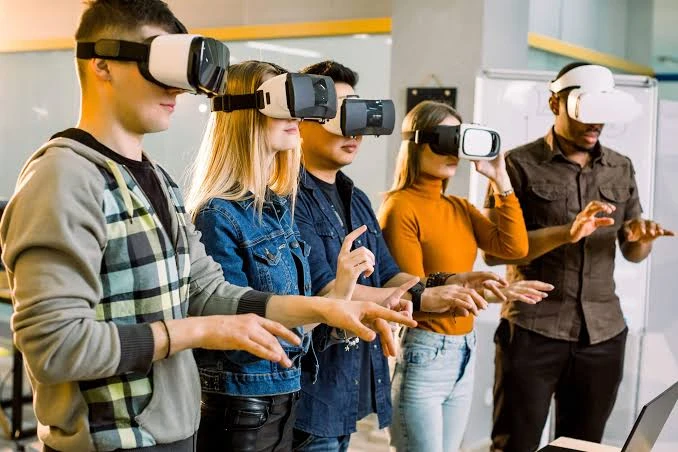

A VR headset on your stand does one job well. It turns people who’d normally walk past into people who stop, queue, and remember you afterwards. To make that work, pick an experience matched to what you’re actually promoting, plan how people move through the booth, keep headsets clean between users, staff it with someone confident guiding first-timers, and test the whole setup before doors open. Skip any of these steps and VR becomes a gimmick instead of the engagement tool it’s meant to be.
Booking a vr headset rental for a show is fairly straightforward, but choosing the right experience for the day matters more than the hardware itself. A headset running a generic demo reel draws a fraction of the interest of one built specifically around your product or launch. Work out what visitors should walk away understanding or feeling, then build the experience backward from that.
Pick a VR experience matched to your goal, plan queue flow and sightlines around the booth, keep headsets hygienic and comfortable between users, staff it with someone who can guide nervous first-timers, and test the full setup before the show opens. Done well, VR turns a passive stand into something people actively queue up for.
1. Match the VR Experience to Your Actual Goal
Decide first whether the aim is demonstrating a product, telling a brand story, or letting people try something they otherwise couldn’t access on the day, such as stepping inside a building before it’s built or operating machinery too large or risky to bring to a stand. That decision shapes everything else, from session length to how many headsets are needed.
2. Plan for Queue Flow and Booth Layout
VR draws crowds, and crowds without a plan turn into bottlenecks. Set a realistic session length, usually two to four minutes, and design the booth so waiting visitors can see the reactions of whoever’s currently in the headset. That visible excitement does a lot of the marketing for you. This kind of layout planning matters most for a VR headset rental for events with tight floor space, where a badly placed queue can block neighbouring stands.
3. Keep Headsets Clean and Comfortable Between Users
Hundreds of faces on the same headset over a two-day show is a hygiene issue nobody wants to deal with mid-event. Ask about disposable face covers, quick-wipe cleaning between users, and spare units so one headset can be sanitised while another stays in use. Providers such as The Tekk Group typically supply cleaning kits and backup hardware as standard, which keeps things running smoothly across a long show floor without extra planning on your part.
4. Staff the Booth With Someone Confident Guiding First-Timers
Plenty of visitors will never have worn a headset before, and a confused first thirty seconds can put them off entirely. A staff member who can fit the headset properly, explain controls in one sentence, and step in if someone feels disoriented makes the whole experience feel professional rather than chaotic. This is worth getting right for any VR headset rental for exhibitions where footfall is high and staff need to turn visitors around quickly.
5. Test Everything On-Site Before Doors Open
Venue wifi, lighting, and floor space rarely match the conditions the experience was built or tested in. Run a full walkthrough on-site the evening before or first thing on show morning, checking tracking space, battery levels, and that content loads without lag. This step matters just as much for a VR headset rental for conferences with scheduled sessions, since a technical hiccup during a timed slot is far harder to recover from than one during open exhibition hours.
VR Headset Rental vs Buying vs Standalone Demo Screen
Weighing up the options side by side makes the decision easier.
| Factor | VR Headset Rental | Buying Headsets | Standalone Demo Screen |
| Best for | One-off shows and launches | Frequent, ongoing events | Passive product viewing |
| Engagement level | High, hands-on and immersive | High, if maintained well | Low to moderate |
| Setup and support | Provider handles it | Your team manages it | Minimal setup needed |
| Content flexibility | Swap experiences per event | Fixed to owned content | Fixed video loop |
| Storage between shows | Not your problem | Needs safe storage | Easy to store |
Frequently Asked Questions
1. How many VR headsets do we need for a trade show stand?
It depends on footfall and session length, but most single stands run comfortably with two to four headsets to keep queues manageable.
2. Do we need our own VR content, or can a provider supply it?
Both options exist. Some businesses bring their own build, while others work with the provider to create or adapt an experience for the event.
3. Is VR suitable for smaller stands with limited space?
Yes, as long as tracking space is checked in advance. Seated or standing-still experiences work well where floor space is tight.
4. How long should each VR session last at an event?
Two to four minutes usually keeps queues moving while still giving visitors a proper impression of the experience.
5. What happens if a headset develops a fault mid-show?
A reliable provider supplies spare units and onsite or rapid-response support so a single fault doesn’t take the whole stand offline.
6. Can VR be used for product launches as well as trade shows?
Yes. Product launches often get even more value from VR, since it lets an audience experience a product before it’s physically available.
Final Thoughts
VR headsets can turn a quiet stand into the busiest spot on the show floor, but only when the planning behind them matches the ambition of the experience. Match the content to your goal, manage the queue, keep headsets clean, staff it properly, and test everything before doors open. Handle that, and VR stops being a novelty and starts being genuinely useful.
For businesses planning their next trade show or launch, The Tekk Group has built a reputation for supplying reliable VR and AR hardware alongside the setup and support needed to keep it running smoothly across a full event.