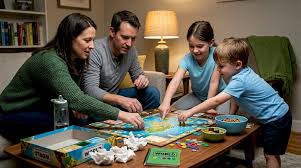

Choosing the Right Games
Choosing the right games for your game night is essential to ensuring an enjoyable experience for all participants. The first step in this process is to consider the interests and preferences of the group. Each player may have different tastes, ranging from strategic board games to quick party games. Understanding the collective interests will help in selecting games that will engage everyone at the table.
The number of players is another critical criterion to take into account. Different games cater to varying group sizes. Some games work well with large crowds, while others are best suited for small, intimate gatherings. For instance, games like “The Resistance” thrive in larger groups, fostering interaction and collaboration, whereas games such as “Codenames” can be more engaging in smaller teams. Having a variety of options allows flexibility and adaptability to your guest list.
Game length is also an important factor to consider; it directly impacts the pacing of your game night. Some games can last for hours, making them more suitable for a dedicated gaming session, while others are quick to play, providing quick rounds ideal for a lively evening. Balancing longer, more strategic games with shorter, more casual games can ensure that the dynamics remain energetic and engaging.
Finally, it’s essential to strike a balance between strategy and luck. While some players may prefer games that require thoughtful planning and strategy, others may enjoy the unpredictability and excitement that comes with games reliant on luck. By featuring a mix of both game types, you can cater to different skill levels and preferences, ensuring that everyone feels included and able to participate.
In summary, carefully selecting games based on your group’s interests, the number of players, the expected game length, and the balance between strategy and luck will significantly enhance your game night experience. By tailoring your game choices to meet these criteria, you can create memorable and enjoyable experiences for all players involved.
Setting the Scene
Creating a comfortable and inviting atmosphere is essential for hosting a successful game night. The ambiance can significantly influence the participants’ engagement and overall enjoyment. To enhance the gaming experience, various elements such as lighting, seating arrangements, and decorations should be carefully considered and tailored to the preferences of the guests.
Lighting plays a crucial role in setting the mood. Opt for soft, warm lighting that encourages relaxation and conversation. Avoid harsh overhead lights that can create an unwelcoming environment. Instead, consider using string lights, lamps with warm bulbs, or even candles, which can provide a cozy glow and foster a sense of intimacy. When possible, dim the lights during gameplay to enhance focus while ensuring enough illumination to read game rules or cards clearly.
Seating arrangements are another important aspect of creating a welcoming space. Ensure that guests have ample space to sit comfortably and interact with each other. This often means providing a mix of seating options, such as couches, chairs, and floor cushions, catering to different preferences. Ensure that everyone can easily participate in the game without feeling cramped. A circular or U-shaped arrangement can facilitate conversation and interaction during gameplay, enhancing the social aspect of the night.
Decorations can also add a personal touch to your game night. Use items that resonate with the games being played, such as themed decor, game boards displayed as art, or even simple touches like themed tablecloths. Incorporating games into the decor can inspire excitement and serve as conversation starters. Additionally, consider using comfortable throws or pillows that can promote a relaxed atmosphere, making the space feel more inviting.
By thoughtfully considering lighting, seating, and decorations, you can cultivate an environment that enhances the gaming experience, encouraging players to immerse themselves in the fun and camaraderie of game night.
Snacks and Beverages for Gamers
When planning the ideal game night, one cannot overlook the significance of snacks and beverages. Selecting the right assortment can enhance the overall experience by ensuring that players remain energized and focused throughout the duration of the games. The goal is to offer options that are easy to eat and won’t overly distract from the gaming itself.
A popular choice for any gathering is finger foods, which allow for quick consumption without the need for utensils. Items such as bite-sized mini sandwiches or sliders serve as an excellent option. They can be easily customized to accommodate various dietary preferences, ensuring that all guests find something appealing. Additionally, providing a variety of cheeses and crackers not only satisfies savory cravings but also complements many games, particularly board games that might take a while to complete.
Another great addition is popcorn, which is light and generally considered a crowd-pleaser. Popcorn can be enhanced with various toppings, including cheese powder, caramel drizzle, or even spicy seasonings for those who prefer a bit of heat. This snack keeps hands busy without being too messy, making it ideal for maintaining focus on the game.
In terms of beverages, it is recommended to offer a balanced selection. Carbonated drinks like soda or sparkling water are refreshing and can boost energy levels. Some might prefer a more hydrating option without the sugar, so iced herbal teas or flavored seltzers provide a tasty, low-calorie alternative. For those inclined towards adult beverages, light beers or uncomplicated cocktails can add to the atmosphere of enjoyability without overwhelming the event.
Overall, having a variety of snacks and beverages ensures all participants can remain engaged while enjoying delightful bites and sips that enhance the game night experience. This careful selection can keep spirits high and focus sharp, allowing for an unforgettable evening of gaming fun.
Invitations and Guest List Management
Creating a memorable game night begins with effective invitations and guest list management. These two essential components contribute significantly to the overall success of the event. First, determining your guest list is critical. Consider individuals who enjoy board games or have a penchant for socializing. Striking a balance between familiar faces and new acquaintances can create a lively atmosphere, fostering camaraderie and engagement.
Once the guest list is finalized, the next step is inviting those selected individuals. Depending on your preferences and the nature of the game night, invitations can be sent via traditional methods like physical cards or modern approaches such as digital invitations. The convenience of online platforms allows you to reach out to guests quickly while also allowing them to respond at their convenience.
Implementing an RSVP system is a strategy that cannot be overlooked. By encouraging guests to confirm their attendance, you gain insights on the number of participants to expect. This information is invaluable for planning seating arrangements and ensuring you have adequate snacks and drinks. A robust RSVP system can also help manage unforeseen overlaps in schedules, allowing for adjustments ahead of time.
Furthermore, sending reminders as the event date approaches can be useful. This could be a simple message a few days in advance, reiterating the date and time of the game night, as well as any special instructions. Reminders not only ensure greater attendance but also signal to guests that their presence is valued.
In addition, the manner in which you create your invitations can set the tone for your game night. Consider reflecting the theme, whether it’s a board game extravaganza or a card game challenge in the design of the invites. A well-coordinated theme will not only excite your guests but will also contribute to the overall atmosphere of the night.
Timing the Games
Managing time effectively during a game night is crucial for ensuring that all participants have an enjoyable experience. With the right approach, you can maintain a good balance between gaming and socializing, enhancing the overall atmosphere. This section discusses strategies to keep the games flowing smoothly while also allowing for necessary breaks.
One of the key aspects of successful game timing is preparation. Before the night begins, select a roster of games that can accommodate different group sizes and time frames. Understanding the approximate duration of each game will allow you to allocate time slots efficiently. For example, choosing a mix of quick-paced games, like card games that last around 20-30 minutes, alongside longer board games that can extend for an hour or more can cater to varying preferences.
Implementing a schedule can also be beneficial. Designate a specific time for each game to be played, allowing an organized flow to the evening. However, flexibility is important; if a particular game is proving too engaging, don’t hesitate to extend the playtime while keeping everyone informed. A clear game schedule can also help delimit socializing breaks, thus offering participants enough time to recharge and enjoy refreshments.
Encouraging regular breaks is essential. Every hour or so, consider a short 10-minute break to allow players to stretch, refill drinks, or converse with others about the game. Such intermissions can enhance interaction amongst participants and create a more relaxed environment. Additionally, having a snack or drink station available will keep players fueled and engaged.
Ultimately, maintaining a balance between game time and social interactions will improve the overall ambiance of your game night. By planning effectively and allowing for flexibility, you can create a memorable experience that caters to everyone’s preferences. Staying attentive to your guests’ moods and energy can greatly assist in adjusting the timing as needed, fostering both lively gameplay and enjoyable conversations.
Creating Team Dynamics
Successful game nights often hinge on the dynamics established within teams. The formation of teams can significantly influence the overall gameplay experience, balancing the competitive spirit with cooperation among players. Understanding how to construct these dynamics is essential for ensuring all participants enjoy a fair and engaging experience.
To begin with, team formation should consider players’ skill levels, personalities, and prior experiences with games. Grouping diverse skill sets together can balance competitive spirits; for example, pairing seasoned players with novices encourages mentoring and fosters a collaborative atmosphere. Such arrangements not only enhance the gameplay but also promote camaraderie. Additionally, fostering communication is crucial. Encouraging players to express their strategic thoughts and ideas enhances teamwork and leads to better cooperative outcomes.
Another strategy is to set clear objectives that promote both competition and collaboration. For instance, you might create challenges that require teams to work together to achieve a common goal while also keeping a scoreboard to highlight individual achievements. This dual focus can inspire healthy competition, preventing any negativity that might arise from a purely competitive framework.
Furthermore, it is essential to regularly assess team dynamics throughout the game night. Developing a keen sense for shifts in morale or engagement will enable hosts to intervene when necessary, be it by realigning teams or introducing new activities that reinvigorate participation. Reinforcing the notion that the ultimate objective is enjoyment can help in managing competitive spirits, allowing players to remember the social aspect of game nights. Incorporating small breaks between rounds for players to discuss strategies and celebrate victories, no matter how small, also contributes positively to team dynamics.
In conclusion, creating effective team dynamics requires thoughtful consideration of player interactions, balanced skill levels, and a focus on communication. Employing these strategies ensures that both competition and cooperation thrive, providing a fulfilling game night experience for everyone involved.
Incorporating Themes or Challenges
Game nights can be greatly enhanced by incorporating themes or special challenges, infusing a spirit of excitement and creativity into the usual lineup of games. A themed game night transforms a standard gathering into a unique experience, allowing participants to engage both their competitive and imaginative sides. For example, setting a specific theme—such as retro video games, sci-fi adventures, or even a favorite television show—creates a cohesive atmosphere that can elevate the entire evening.
One way to execute a themed game night is to encourage guests to dress in costumes that align with the chosen theme. This not only adds an element of fun but also fosters participation and camaraderie among players. Costumes can range from simple accessories to full-fledged outfits, depending on the level of enthusiasm of the participants. For instance, if the theme is a fantasy medieval era, guests could don capes and crowns, adding visual flair and enhancing the sense of immersion in the event.
Special challenges can also be integrated into themed game nights to ramp up the excitement. Establishing unique rules tailored to fit the theme can provide a fresh twist to traditional games. For example, during a horror-themed night, players may have to play with dimmed lights or incorporate spooky sound effects. Such modifications encourage creativity and can lead to hilarious and memorable moments. Consider establishing a point system that rewards creative costumes or exceptional gameplay within these themed challenges, further enhancing the competitive spirit among guests.
Ultimately, incorporating themes or special challenges into a game night not only embellishes the experience but also provides a platform for players to express themselves. By blending costumes, unique rules, and a central theme, hosts can create an engaging and enjoyable atmosphere that keeps guests talking about the event long after it concludes.
Handling Game Night Conflicts
Game nights are meant to be enjoyable occasions, but sometimes disagreements may arise among players. Understanding how to effectively manage such conflicts can help maintain a fun and engaging atmosphere. The first step in addressing game night disputes is to promote open communication among players.
Encouraging all participants to express their thoughts and feelings during a disagreement is vital. Active listening is crucial; each player should feel heard and respected, even if their perspective differs from others. This helps to foster a collaborative environment where players can negotiate solutions together.
Setting clear expectations and rules before the game begins can reduce potential for conflicts arising later. Establishing house rules that everyone agrees on can serve as a guideline during gameplay. In fact, agreeing on how to handle disputes prior to starting can prevent disagreements from escalating. It is also essential to remind players of the importance of sportsmanship, emphasizing that having fun should take precedence over winning.
When conflicts do arise, implementing a cool-off strategy can be beneficial. If emotions run high, allowing players a moment to step away from the situation can help them gain perspective and return to the game with a clearer mindset. Additionally, designating a neutral party, such as a non-playing host or organizer, to mediate disputes can help in reaching a resolution without bias.
Incorporating light-hearted humor can also diffuse tense situations and remind everyone of the game’s underlying purpose: enjoyment and camaraderie. Ultimately, the goal of any game night should be a shared experience that strengthens friendships, rather than a battleground for competition.
Post-Game Night Reflections
Once a game night concludes, it is essential to take the time for post-game discussions. Engaging in reflections about the evening can significantly enhance future gatherings. By inviting each guest to share their thoughts on the games played, the atmosphere, and overall experience, hosts can gather valuable feedback that can guide improvements for the next event.
The feedback mechanism serves multiple purposes. First, it allows participants to voice their enjoyment or challenges faced during the games, fostering a communicative environment that is beneficial for everyone involved. This exchange of ideas not only strengthens relationships among friends but also helps to create a more tailored game night experience that caters to the preferences of the group. For example, if a particular game was overly complex and led to confusion, hosts can choose to simplify the rules or select a different game altogether for the next occasion.
Moreover, the post-game reflection provides an opportunity to assess the overall dynamics of the gathering. It is also a chance to evaluate the atmosphere created by the host—in terms of comfort, theme, and food and beverage options. Encouraging guests to share their thoughts can reveal insights into whether the ambiance was conducive to fun and enjoyment. This feedback can be crucial for host planning, especially in balancing competitive and casual gaming sessions, which can affect the mood significantly.
In conclusion, discussing a game night after the event concludes not only enhances future gatherings but also cultivates connections among friends. By integrating this practice into the tradition of game nights, hosts can ensure that each event becomes progressively enjoyable, allowing everyone involved to anticipate the next gathering with excitement.