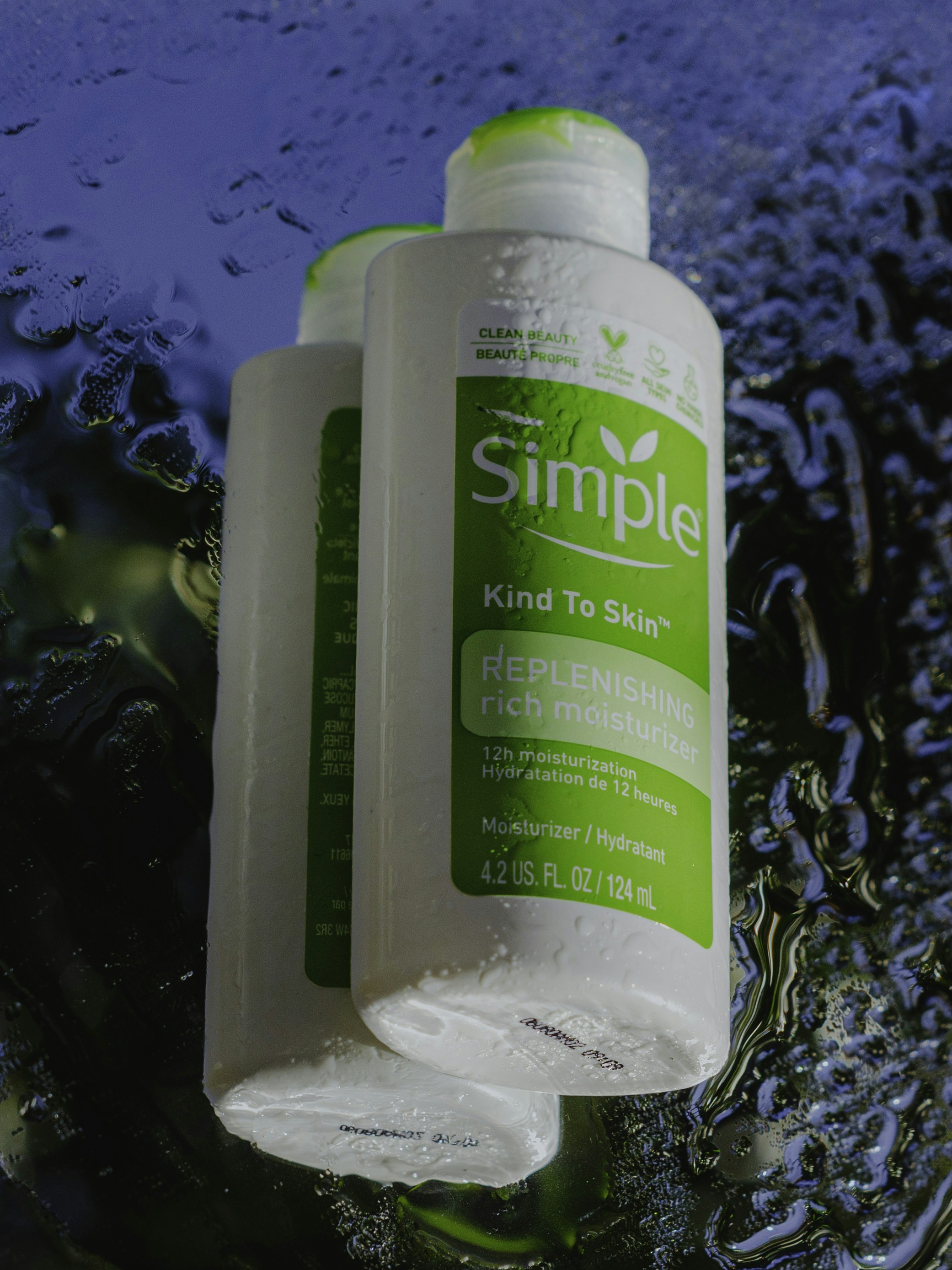

Understanding Skin Hydration
Skin hydration plays a crucial role in maintaining the overall health and appearance of our skin. Water is a fundamental component of skin structure, making up a significant percentage of the epidermis and dermis layers. When the skin is adequately hydrated, it not only looks more vibrant but also functions optimally. The presence of moisture impacts the skin’s elasticity, ensuring it remains firm and resilient while helping to prevent the formation of fine lines and wrinkles.
Hydration is essential for various skin processes, including the regulation of temperature, barrier function, and the repair of cellular damage. Well-hydrated skin serves as an effective barrier against environmental aggressors, such as pollutants and harmful UV rays. Conversely, dehydrated skin can lead to compromised barrier integrity, resulting in increased irritation, inflammation, and even conditions like eczema or dermatitis.
Moreover, maintaining optimal moisture levels directly influences the appearance of the skin. Hydrated skin tends to have a natural glow, appears plump, and reflects light more effectively. This luminosity can significantly enhance the skin’s texture, making it feel softer and smoother to the touch. In addition, when skin hydration is prioritized, the absorption of nutrients from skincare products is improved. This allows for more effective use of serums and moisturizers, ultimately promoting a healthier complexion.
In conclusion, understanding the importance of skin hydration is vital for anyone seeking to improve their skin health. A commitment to maintaining moisture levels can lead to numerous benefits, from enhanced elasticity and appearance to improved overall skin function. Ensuring the skin is consistently hydrated is not just about aesthetics; it is essential for sustained well-being and protection against external stressors.
Daily Hydration Habits
Maintaining skin hydration is essential for achieving a healthy, radiant complexion. One of the most effective methods to support skin hydration is ensuring adequate water intake throughout the day. Experts recommend that individuals consume at least eight 8-ounce glasses of water daily, known as the “8×8 rule.” Staying well-hydrated allows the body to function optimally, ensuring that the skin remains plump and supple.
In addition to drinking water, incorporating hydrating foods into your diet can significantly enhance skin moisture levels. Foods such as cucumbers, oranges, and strawberries are not only delicious but also have high water content. Additionally, avocados, fatty fish, and nuts provide essential fatty acids that support skin barrier function, further aiding in moisture retention. By prioritizing these types of foods, individuals can naturally improve their skin’s hydration.
A consistent skincare routine is equally crucial for maintaining optimal skin hydration. This routine should include the use of moisturizers that are tailored to the individual’s skin type. Products with ingredients like hyaluronic acid, glycerin, and ceramides are particularly effective in attracting and sealing moisture within the skin. It is also vital to apply moisturizer on damp skin, as this can help trap water and enhance absorption.
Moreover, incorporating regular exfoliation into your routine, about once or twice a week, can help to remove dead skin cells that may impede the absorption of hydrating products. When the skin is properly cleansed and exfoliated, it can better absorb moisturizers and hydrating elements, leading to improved overall skin texture and hydration levels.
Finally, being mindful of environmental factors is important for skin hydration. Avoiding prolonged exposure to harsh weather conditions and excessive sun can prevent dehydration. Choosing gentle, hydrating cleansers can also prevent skin from drying out due to harsh cleansing agents. By integrating these daily habits, individuals can create a robust skincare regimen that promotes lasting skin hydration.
The Role of Moisturizers
Moisturizers play a crucial role in maintaining skin hydration by replenishing moisture and forming a protective barrier against environmental factors. They contain various ingredients that can significantly enhance the skin’s ability to retain moisture, which is essential for healthy skin.
There are several types of moisturizers available, each designed to cater to different skin types and needs. Emollients, for instance, are primarily used to soften and smooth the skin. They often contain ingredients such as fats and oils, which help to reduce water loss from the skin, making them suitable for individuals with dry skin types.
Humectants are another important component found in many moisturizers. Ingredients such as glycerin or hyaluronic acid attract water molecules from the environment and draw them into the skin. This is particularly beneficial for those with dehydrated skin, as they help to boost moisture levels effectively.
Occlusives, such as petrolatum or dimethicone, work by forming a barrier on the surface of the skin, preventing transepidermal water loss. They are ideal for people living in harsh weather conditions or those with compromised skin barriers. When selecting a moisturizer, individuals should consider their specific skin type—whether oily, combination, or dry—as well as any skin conditions like eczema or acne that may require tailored ingredients.
For oily skin, lightweight gels that contain oil-free formulations may be more suitable, while cream-based moisturizers can be beneficial for those with dry or mature skin. Additionally, it is advisable to look for non-comedogenic labels to avoid clogged pores, especially in acne-prone skin.
By understanding the various types of moisturizers and their ingredients, individuals can make informed choices that effectively support their skin’s hydration needs and maintain overall skin health.
Hydrating Ingredients to Look For
Effective skin hydration is crucial for maintaining its health and appearance. Understanding the ingredients that contribute to moisture retention is essential for selecting suitable skincare products. Several key ingredients are known for their hydrating properties, particularly hyaluronic acid, glycerin, and ceramides.
Hyaluronic acid is a naturally occurring substance in the body that can hold an impressive amount of moisture. For every gram of hyaluronic acid, up to six liters of water can be bound. This capability makes it a powerful humectant, drawing moisture from the environment into the skin, thereby providing intense hydration. Its small molecular size allows it to penetrate the skin effectively, delivering hydration to deeper layers. With regular use, products containing hyaluronic acid can improve skin elasticity and plumpness, resulting in a more youthful appearance.
Glycerin is another highly regarded ingredient in skincare formulations. As a humectant similar to hyaluronic acid, glycerin attracts water to the skin and helps maintain optimal hydration levels. Its ability to create a protective barrier on the skin prevents moisture loss, making it ideal for all skin types, particularly for those with dry or dehydrated skin. Glycerin also possesses soothing properties, making it beneficial for sensitive skin concerns.
Ceramides are lipid molecules that play a vital role in forming the skin’s natural barrier. They help to retain moisture and protect the skin from environmental aggressors. By filling in the cracks between skin cells, ceramides prevent transepidermal water loss, ensuring that the skin remains hydrated. Products enriched with ceramides can restore the skin barrier’s integrity, making them especially beneficial post-dryness or irritation.
Incorporating products with these hydrating ingredients into your skincare routine can significantly enhance moisture retention and improve overall skin texture. By understanding how hyaluronic acid, glycerin, and ceramides function, you can make informed choices for your hydration needs.
Environmental Factors Affecting Skin Hydration
The hydration of our skin is significantly influenced by various external elements. Among these factors are climate, pollution, and indoor heating, all of which can contribute to skin dehydration. Understanding these influences is crucial for implementing proper care strategies to maintain skin moisture.
Climate plays a vital role in determining skin hydration levels. In colder months, lower temperatures and humidity can lead to dry and flaky skin. Conversely, during hot summer months, increased exposure to sun and sweat can also result in dehydration. It is important to adjust skincare routines in accordance with seasonal changes to effectively combat these fluctuations in skin hydration.
Moreover, pollution presents an additional challenge to skin health. Urban environments often expose skin to a mixture of harmful particles, such as dust and smoke, which can strip away natural oils, impair the skin barrier, and exacerbate dehydration. Regular cleansing is essential to remove these harmful agents and restore the skin’s hydration balance.
Indoor heating systems, often used during winter, dry out the ambient air and consequently affect skin hydration. This is particularly concerning for individuals who spend extended periods indoors. To mitigate this effect, it is advisable to employ humidifiers to increase moisture levels in the air, thus providing an additional layer of protection against dehydration.
In addition to these factors, personal skincare practices are equally important. Utilizing moisturizers formulated with hydrating ingredients can help combat the drying effects of environmental factors. Products containing hyaluronic acid or glycerin can attract and retain moisture, thereby enhancing the skin’s hydration level.
To summarize, being mindful of the environmental factors that affect skin hydration is essential for maintaining healthy skin. By understanding the impact of climate, pollution, and indoor heating, individuals can adopt preventative strategies to protect their skin and ensure it remains well-hydrated, regardless of external circumstances.
Seasonal Changes and Skin Hydration
The skin is a dynamic organ that responds to various environmental factors, with seasonal changes being one of the most notable influences on skin hydration. Different seasons present distinct challenges that can impact the moisture levels of the skin. Understanding these seasonal shifts is crucial for maintaining optimal skin hydration throughout the year.
In winter, low humidity levels and cold temperatures can lead to increased skin dryness. The harsh winds and indoor heating further strip moisture from the skin, resulting in flakiness, tightness, and discomfort. To combat winter dryness, it is essential to use a thicker moisturizer that forms a protective barrier, preventing transepidermal water loss. Incorporating hyaluronic acid-based products can also help in drawing moisture to the skin. Additionally, maintaining hydration from within is vital, so increasing water intake during the colder months can contribute to better skin health.
Conversely, summer brings higher humidity levels that can lead to excessive oil production and make skin feel greasy. While the increased moisture in the air can be beneficial, it often presents challenges such as heat rash and clogged pores. To maintain skin hydration during the summer, lightweight, oil-free moisturizers should be a primary choice. These products can hydrate without contributing to oiliness. Moreover, using a gentle exfoliant can help remove dead skin cells, allowing better absorption of moisturizers and preventing the buildup that can occur with sweating.
Throughout the transition between seasons, it is crucial to adapt skincare routines. For instance, as temperatures begin to drop in autumn, incorporating richer creams and serums can prepare the skin for the upcoming winter months. By understanding how different seasons influence skin hydration levels, individuals can make informed decisions about their skincare products and practices, thereby promoting healthier skin year-round.
DIY Hydrating Face Masks
Maintaining skin hydration is essential for a healthy complexion, and one effective way to achieve this is through the use of homemade hydrating face masks. These masks can be crafted from natural ingredients that are often found in your kitchen. Two such ingredients that offer numerous benefits are honey and aloe vera. When combined, they create a powerful, moisturizing mask ideal for various skin types.
One simple recipe is the honey and aloe vera mask. To create this mask, mix two tablespoons of honey with one tablespoon of fresh aloe vera gel. Apply this mixture to your face and leave it on for approximately 15-20 minutes before rinsing with lukewarm water. Honey is known for its humectant properties, drawing moisture to the skin, while aloe vera soothes and hydrates, making it perfect for those with dry or irritated skin. This mask can be applied once or twice a week for optimal hydration.
Another excellent option is the avocado hydrating mask. Avocado is rich in fatty acids and vitamins, which nourish and deeply moisturize the skin. To prepare this mask, mash half an avocado and mix it with a tablespoon of honey. Apply this paste evenly over your face, allowing it to sit for 15-30 minutes before rinsing. For those with dry or normal skin, using this mask once a week can significantly improve skin texture and hydration levels.
Incorporating these homemade masks into your skincare routine can provide a natural and effective way to keep your skin hydrated. The benefits of using these natural ingredients far outweigh the conventional products, as they are free from harsh chemicals and can be personalized according to individual skin needs. Remember, consistency is key, so regular application will yield the best results for maintaining a luminous and hydrated complexion.
Hydration Myths Debunked
Skin hydration is a vital component of skincare that is often misunderstood. One common misconception is that individuals with oily skin do not need to hydrate their skin. This belief stems from the idea that excess oil implies sufficient moisture. However, oily skin can still be dehydrated. Dehydration occurs when the skin lacks water, not oil. It is essential to choose the right hydrating products, such as water-based moisturizers, that can balance the skin’s moisture levels without exacerbating oiliness.
Another myth surrounding skin hydration revolves around the perception that expensive products are more effective. While high-end brands may offer premium ingredients, the efficacy of a product largely depends on its formulation and suitability for an individual’s skin type. There are many affordable options available that contain effective hydrating agents, such as hyaluronic acid and glycerin, which can provide excellent results in maintaining skin moisture levels.
Furthermore, many people believe that drinking excessive amounts of water will automatically translate to hydrated skin. While proper hydration from within is important for overall health, topical application of hydrating products is critical as well. The skin’s outer layer needs moisture, and relying solely on water intake may not be enough to achieve the desired level of hydration.
Additionally, individuals often overlook the impact of environmental factors on skin hydration. Factors such as low humidity, exposure to heat, and air conditioning can lead to significant moisture loss in the skin. Adopting a comprehensive skincare routine that includes hydrating serums and occlusives can help counteract these environmental effects.
In conclusion, addressing these hydration myths is crucial for effective skincare. Understanding that all skin types, including oily skin, need hydration can lead to better choices in product selection and application, ultimately resulting in healthier skin.
Consulting Professionals for Skin Health
Maintaining optimal skin hydration is a crucial aspect of overall skin health, and seeking advice from dermatologists or skincare professionals can significantly enhance one’s approach to skincare routines. Professionals possess a wealth of knowledge and expertise that can be tailored to individual skin needs. Given that each person’s skin is unique, a personalized consultation can address specific concerns such as dryness, sensitivity, or conditions like eczema and psoriasis.
Dermatologists and licensed aestheticians utilize advanced tools and techniques to assess skin conditions accurately. They can recommend treatments and products tailored to your skin type and concerns, ensuring that hydration strategies are effective and safe. For instance, they might suggest specific moisturizers that contain hyaluronic acid or ceramides, which are known to bolster skin hydration levels. Furthermore, they can provide guidance on the most suitable ingredients to look for based on environmental factors and lifestyle choices.
It is also vital to understand common misconceptions regarding skin hydration. Some individuals may think that simply applying any moisturizer is sufficient; however, this is not always the case. Professionals are equipped to explain how various products function and how to layer them effectively to create a barrier that locks in moisture. Additionally, they can help identify potential irritants in over-the-counter products that may hinder skin hydration, helping you avoid adverse reactions.
Incorporating regular check-ups with a skincare professional can also enhance long-term skin health. These sessions allow for monitoring changes in skin conditions over time and adjusting hydration strategies accordingly. Whether it involves revising skincare routines or integrating innovative treatments, dermatological advice can ensure you are taking informed steps toward maintaining healthy skin hydration.