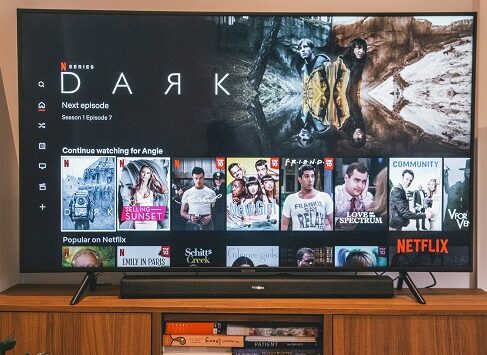

Creating a compelling television show involves a complex process of development that transforms an initial idea into a fully realized program. The journey typically begins with brainstorming sessions, during which writers and producers collaborate to generate concepts that resonate with potential audiences. These discussions often explore themes, character arcs, and narrative structures, laying the foundation for what could ultimately become a popular TV show. Once a concept is solidified, it is refined into a pilot script. This script serves as a crucial element, showcasing the show’s vision and tone. Writers meticulously craft dialogue and character dynamics, ensuring that the pilot not only attracts network interest but also captivates viewers. Alongside this creative process, producers play a pivotal role by offering insights on budget constraints and scheduling, ensuring that the project remains feasible within the industry landscape. As the script takes shape, it undergoes numerous revisions, often incorporating feedback from network executives who evaluate its commercial viability. These executives assess potential audience demographics and marketing strategies, guiding the writers to adjust elements that may enhance viewer engagement. The pilot episode is particularly critical; it serves as a testing ground for the show’s concept, characters, and overall appeal. Anecdotes from successful pilot episodes often highlight the diverse reactions they receive—from immediate approval to daunting rejection.
Despite the careful planning, not every concept makes it to air. Countless ideas are proposed that never materialize, underscoring the competitive nature of the television industry. As writers pitch innovative concepts, some may resonate strongly while others do not, leading to an ever-evolving landscape of available programming. Understanding this development process is crucial for appreciating the intricate art of television storytelling.
Casting Choices and Audition Stories
The casting process is a crucial element in the production of popular television shows, as it has the power to shape not just the characters, but the entire narrative. The journey to find the perfect actor for a role often involves numerous auditions and extensive behind-the-scenes deliberations. A pertinent example is the beloved sitcom “Friends,” wherein many actors auditioned for the iconic roles. Notably, actress Lisa Kudrow was initially considered for the role of Monica, but after her audition, she was offered the role of Phoebe Buffay instead, which ultimately defined her career.
Such decisions about casting can significantly influence a show’s character dynamics and overall chemistry. For instance, the casting of Bryan Cranston in “Breaking Bad” as Walter White transformed the character into an iconic figure, due to Cranston’s exceptional ability to embody the complex moralities of the role. Initially, the creators worried about his previous comedic roles; however, their choice proved beneficial as Cranston’s performance resonated strongly with audiences.
Moreover, the stories behind cast selections frequently reveal an interesting narrative of discovery. Actors sometimes land roles through unconventional means, such as casting calls held in unexpected venues. An example of this is the casting of Jennifer Lawrence in “The Hunger Games.” She was discovered at an open casting call after impressing directors with her audition tape. Casting choices like these can greatly enhance the popularity of a television series, as they often bring a depth and authenticity that captivates viewers.
In the fast-paced television industry, it’s evident that the casting process involves not just selecting actors based on talent, but also making decisions that align with the vision of the show, often with significant implications for its success.
Set Design and Production Challenges
The set design of a television show plays a crucial role in establishing the mood, tone, and authenticity of the narrative. Production designers are the creative minds behind these sets, responsible for turning scripts into visually stunning environments that capture the viewer’s imagination. These professionals often collaborate closely with the show’s directors and producers to conceptualize and develop iconic spaces that are not only visually appealing but also facilitate the storytelling process.
Creating sets for popular TV shows involves a multitude of challenges, both technical and creative. One significant task is ensuring that sets are built according to the show’s specific requirements, which may involve constructing elaborate structures or modifying existing spaces. For instance, the famous coffee shop in “Friends” — Central Perk — was meticulously designed to cultivate an inviting atmosphere, relying on vibrant colors, vintage furniture, and cozy lighting to encapsulate the show’s warm, humorous essence.
Real locations can often serve as the backdrop for many series, adding a layer of authenticity to the production. However, filming on location poses logistical challenges, such as coordinating access to the site, managing environmental variables, and ensuring that equipment is safely transported. Shows like “Game of Thrones” famously utilized various stunning landscapes across different countries to achieve their cinematic vision. Yet, each location brought its own set of complications, ranging from weather conditions to permits and local regulations.
In addition to these challenges, the tight shooting schedules can hinder the set design process. Designers must remain flexible and innovative while working against time to deliver the appropriate sets that align with filming timelines. Ultimately, the dedication and expertise of production designers greatly contribute to the overall success of a TV show, ensuring that the set design not only supports but enhances the storytelling experience for audiences.
Behind-the-Scenes Anecdotes and Secrets
Television shows often captivate audiences with their on-screen narratives, but the real magic frequently unfolds behind the scenes. The dynamics among the cast and crew can be as compelling as the stories told on screen. One fascinating aspect of this is the playful pranks that often take place during filming. For instance, in a popular sitcom, it was not uncommon for the cast to engage in lighthearted jokes that would leave the crew in stitches. Such moments foster camaraderie and a lively atmosphere on set, making long shooting days more enjoyable.
Unexpected events during filming can also lead to memorable stories. A notable incident occurred on the set of a well-known drama series when a sudden rainstorm interrupted a key scene. Instead of halting production, the crew swiftly adapted, incorporating the downpour into the storyline. This quick thinking not only saved the shooting schedule but also added an unexpected layer of authenticity to the episode, showcasing the team’s ability to turn challenges into opportunities.
Moreover, friendships forged during production often extend beyond the set, creating lasting bonds among cast and crew members. For example, two lead actors from a highly-rated thriller series developed a close friendship during filming that resulted in joint appearances at fan conventions, further strengthening the connection with their audience. On social media, they frequently share behind-the-scenes moments, allowing fans to glimpse the genuine relationships that form amid the pressures of television production.
These anecdotes illuminate the often-overlooked aspects of television show production, revealing the resilience, creativity, and camaraderie that unite the people behind the lens. As viewers, understanding these behind-the-scenes tales enhances our appreciation for the hard work and dedication involved in bringing our favorite shows to life.