
Introduction to Smart Home Technology
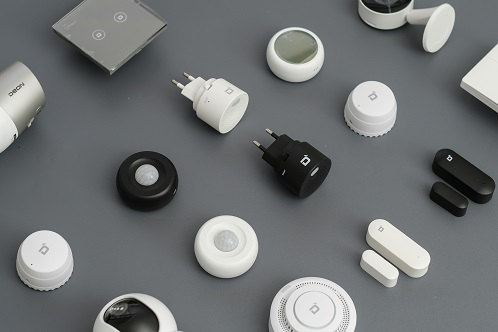
Smart home upgrades technology refers to a range of devices and systems that enhance the functionality of residential spaces through automation and connectivity. These technologies allow homeowners to control various features of their home remotely, often via mobile applications or voice commands. Over the years, smart home technology has significantly evolved, shifting from basic remote-controlled appliances to comprehensive systems that integrate seamlessly with everyday life.
The evolution of smart home technology began with simple appliances such as programmable thermostats and remote-controlled lighting. As internet connectivity improved, these devices became more sophisticated, leading to the proliferation of smart devices that can communicate with each other and provide real-time data to homeowners. This interconnectivity enables advanced automation setups, where multiple devices can operate in sync to enhance comfort and efficiency.
The importance of automation in modern residences cannot be overstated. Automated systems can contribute to improved energy efficiency by managing lighting and temperature according to residents’ habits, thus reducing utility bills. Furthermore, security is greatly enhanced with smart home upgrades, as homeowners can monitor their properties through smart cameras and receive alerts on their mobile devices. This capability provides peace of mind, allowing for proactive responses to potential security threats.
Additionally, convenience is a major benefit of implementing smart home technology. Tasks such as adjusting the thermostat, locking doors, or even grocery shopping can be managed from a smartphone. This improved control over home environments not only uplifts the quality of life but also showcases the transformative potential of technology in daily activities. As we delve deeper into the best smart home upgrades for 2026, it is essential to consider how these advancements could further optimize our living spaces.
Top Smart Home Trends for 2026
The smart home technology landscape is expected to undergo significant transformations by 2026, shaped by innovative advancements and evolving consumer preferences. One of the most notable trends is the seamless integration of artificial intelligence (AI) within smart home devices. AI will facilitate enhanced automation, allowing users to control various elements of their homes through intuitive voice commands or predictive technologies. This focus on AI integration promises to create a more responsive living environment that anticipates the needs and preferences of users.
Another critical development in the sector is the implementation of improved connectivity standards, particularly the introduction of Matter. This unifying protocol aims to simplify device interoperability, enabling a broad array of devices from various manufacturers to communicate effectively within a smart home ecosystem. With Matter, consumers will experience increased synergy across devices, leading to a cohesive and user-friendly smart home experience. This innovation is expected to encourage more individuals to adopt smart technologies, knowing that their devices will work together seamlessly.
Furthermore, the trend of sustainability is becoming increasingly prominent in the design of smart home products. As environmental concerns grow, manufacturers are emphasizing energy efficiency and eco-friendly materials in their offerings. Smart thermostats, energy monitoring systems, and advanced lighting solutions are at the forefront of this shift, allowing homeowners to reduce energy consumption while maintaining comfort and convenience. The integration of renewable energy sources, such as solar panels, into smart home systems is also gaining traction, aligning technological advancements with sustainable living practices.
Collectively, these trends reflect a profound evolution in smart home technology. As AI, improved connectivity, and sustainability continue to dominate the conversation, consumers are poised to make more informed choices that enhance their living spaces while contributing to a greener future.
Energy Management Systems
As smart home technology continues to evolve, energy management systems (EMS) are gaining significant traction as desirable upgrades for homeowners. An EMS primarily serves to monitor and optimize energy consumption within a household, providing users with valuable insights into their energy usage patterns. With the push towards sustainable living and the increasing demand for lower energy bills, these systems are becoming indispensable tools for modern homeowners.
The core functionality of an energy management system lies in its ability to offer real-time tracking of usage across various appliances and devices. Homeowners can access detailed data on energy consumption through user-friendly interfaces available on smartphones or tablets. Features such as automated scheduling, energy-efficient recommendations, and alerts for unusual energy spikes further enhance the usability of these systems. Many EMS solutions integrate with existing smart home technology, allowing seamless control over devices such as smart thermostats and smart lighting, facilitating a more holistic approach to energy efficiency.
The benefits of adopting an energy management system extend beyond just cost savings. By adopting energy-efficient practices encouraged by these systems, homeowners can significantly reduce their carbon footprint, thus contributing positively to environmental sustainability. For instance, case studies have shown that households utilizing EMS can save up to 30% on their utility bills by optimizing their consumption patterns and making informed decisions about energy usage.
Real-world examples of efficient energy management systems include platforms like Sense and Neurio, which utilize advanced algorithms to provide analytics on energy consumption and suggest strategies for reducing waste. Through such innovations, energy management systems not only improve financial health but also promote a responsible interaction with energy resources, catering to the growing desire for eco-friendly living.
Smart Security Solutions
In the ever-evolving landscape of smart home technology, security remains a primary concern for homeowners. As we progress into 2026, a variety of innovative smart security solutions have emerged, designed to protect your home with enhanced efficiency and convenience. Central to these advancements are smart cameras, smart locks, and sophisticated alarm systems that increasingly leverage artificial intelligence and machine learning.
Smart cameras are no longer limited to traditional surveillance; they now integrate features such as facial recognition and activity alerts, which enable homeowners to monitor their property effectively. These cameras utilize AI algorithms to distinguish between harmless motion—like pets—and potential threats, thereby reducing unnecessary alerts. With remote access capabilities, users can view live feeds from their smartphones, ensuring peace of mind while away from home.
Equally important are smart locks, which provide a level of security unattainable by standard locks. These devices can be programmed with unique access codes for family and friends, allowing users to grant or revoke access easily. Integration with mobile devices means homeowners can lock or unlock their doors remotely, receive notifications when someone enters or exits, and track access history, all contributing to a more secure environment.
Alarm systems have also advanced significantly, now featuring smart technology which allows for seamless integration with other smart home devices. These alarm systems can be programmed to activate other devices—such as smart lights or sirens—when a security breach is detected, maximizing response effectiveness. Homeowners can also receive real-time alerts on their smartphones, offering immediate awareness and control over the situation.
Overall, the amalgamation of advanced cameras, smart locks, and AI-enhanced alarm systems represents a significant shift in home security. By capitalizing on these innovations, homeowners can ensure a safer living environment, knowing that they have the latest technology working in their favor to protect their homes.
Voice Assistants and Home Automation Hubs
With the rapid advancement of technology, voice assistants have become integral to the smart home experience in 2026. Major players like Amazon Alexa, Google Assistant, and Apple’s Siri have refined their functionalities, making them essential tools for home automation. These voice assistants allow users to control a variety of smart devices using simple voice commands, thereby enhancing convenience and accessibility. Users can adjust lighting, manage temperature settings, and even launch entertainment systems seamlessly.
The compatibility of voice assistants with numerous smart home devices is another notable advantage. In 2026, a wide array of devices, including smart thermostats, security cameras, and home entertainment systems, are designed to integrate easily with popular voice assistants. This ensures that homeowners can build a cohesive system tailored to their specific needs without worrying about compatibility issues. The flexibility offered by these systems empowers users to enjoy a personalized smart home environment.
Home automation hubs play a crucial role in centralizing control over various smart devices. Devices like SmartThings, Google Nest Hub, and Amazon Echo Plus serve as a bridge between different ecosystems, allowing users to manage all their devices from one platform. This consolidation not only simplifies the user experience but also enhances the automation potential of the home. For instance, users can create complex routines and scenes, enabling actions like preparing the home for bedtime with a single voice command or a single button press.
Moreover, using a home automation hub can improve the responsiveness and reliability of smart home components. These hubs can process commands more swiftly than individual smart devices, minimizing lag and ensuring that the home reacts instantly to user inputs. Overall, integrating a voice assistant with a reliable home automation hub is vital for optimizing the smart home experience and fostering a connected environment in 2026.
Smart Lighting Innovations
Smart lighting technology has made significant strides in recent years, transforming the way we illuminate our homes. This evolution includes various advancements such as programmable lighting systems, color-changing bulbs, and seamless integration into smart home ecosystems. These innovations not only enhance the aesthetic appeal of living spaces but also contribute to improved energy efficiency.
Programmable lighting systems allow users to customize lighting schedules based on their daily routines. For instance, homeowners can set their lights to automatically turn on and off at specific times or adjust brightness levels according to the time of day. This functionality not only adds convenience but also promotes energy savings by ensuring lights are only active when needed. Additionally, compatibility with smart assistants enables voice control, further simplifying the user experience.
Color-changing bulbs represent another exciting development in smart lighting. With the capability to emit a spectrum of colors, these bulbs allow users to create specific moods or atmospheres in different rooms. Whether it’s a calming blue for relaxation or vibrant hues for entertaining, individuals can easily change their lighting to suit various occasions. Moreover, the integration of these bulbs within smart home systems facilitates automation—lighting transitions can occur based on time or even occupancy.
Utilizing smart lighting effectively requires understanding its potential in enhancing both functionality and energy management. Installing lights in key areas such as hallways, outdoor spaces, and living rooms optimizes their effectiveness. Furthermore, pairing smart lighting with motion sensors can further minimize energy consumption by ensuring lights are only activated in occupied spaces. In this evolving landscape, the benefits of smart lighting extend beyond aesthetics, providing homeowners with versatile solutions that adapt to their lifestyle while contributing to overall energy savings.
Home Health Monitoring Devices
As the world transitions into an increasingly interconnected digital landscape, health monitoring devices are becoming fundamental components of smart home ecosystems. These innovations play a crucial role in ensuring that homeowners can maintain a healthy living environment. Among the most notable advancements are air quality monitors, smart thermometers, and comprehensive health tracking systems.
Air quality monitors are essential tools for assessing the environmental conditions within a household. They measure pollutants such as particulate matter, volatile organic compounds, and other harmful chemicals. By providing real-time feedback, these devices empower homeowners to address air quality issues promptly, ultimately improving the overall health of the occupants. Furthermore, many models integrate with smart home systems, allowing for automated responses, such as activating ventilation systems when pollutant levels rise.
Smart thermometers have also made significant strides, extending their capabilities beyond traditional temperature measurement. Many modern units offer features like remote monitoring through app integration, which allows users to track their body temperature over time. This is particularly valuable for families with children or those managing chronic health conditions, providing peace of mind and allowing for timely medical intervention when necessary.
Health tracking systems encompass a broader range of devices, including wearable technology that monitors vital signs such as heart rate, sleep patterns, and activity levels. These devices collect valuable data, which can be analyzed to help users make informed decisions about their health and lifestyle. Integration with smart home ecosystems ensures that this data is easily accessible and can be proactively managed to enhance well-being.
Incorporating these health monitoring devices into the smart home provides myriad benefits, culminating in a holistic approach to health management. By seamlessly blending technology with daily living, homeowners can cultivate an environment conducive to their physical and mental well-being.
Smart Appliances Revolution
The emergence of smart appliances has significantly transformed the landscape of modern households, reshaping how we manage daily tasks and household chores. These innovative devices, which include smart refrigerators, washing machines, and ovens, are designed with cutting-edge technology that enhances functionality, efficiency, and user experience. One of the most appealing features of smart appliances is remote access, allowing homeowners to control and monitor their devices from their smartphones or tablets, no matter their location.
Smart refrigerators, for example, not only provide basic refrigeration but also come equipped with touchscreens, cameras, and internet connectivity. These functionalities enable users to view their inventory, check expiration dates, and even create shopping lists that sync with their mobile devices. This level of convenience minimizes food waste and streamlines meal planning, making grocery shopping a more efficient process.
Similarly, smart washing machines offer various automated settings tailored to specific fabric types, alongside compatibility with home automation systems. This feature allows users to remotely start or pause washing cycles, receive notifications about wash progress, and troubleshoot potential issues, enhancing the overall laundry experience. Energy efficiency is another key advantage of smart appliances. Many of these devices are built to consume less energy than traditional appliances, contributing to lower utility bills and a more sustainable household while maintaining high performance.
Lastly, smart ovens bring a new level of precision to cooking, integrating techniques and functions that assist users in preparing meals with expert guidance. Users can preheat their ovens remotely, adjust settings, and monitor temperatures, ensuring that meals are cooked to perfection. Together, smart appliances not only simplify everyday tasks but also promote smarter living, demonstrating how technology can elevate the efficiency and convenience of home management.
Conclusion and Future Outlook
As we have explored throughout this blog post, smart home upgrades are increasingly becoming essential in modern living, transforming the way we manage our homes and enhancing our lifestyles. The benefits of implementing smart technology, such as improved energy efficiency, increased convenience, and enhanced security, make these upgrades more than just luxuries; they have become integral components of contemporary home design.
Looking ahead to the future of smart home technology, several trends are poised to shape the industry in the coming years. The integration of artificial intelligence (AI) into smart devices is expected to create systems that learn from our behaviors and preferences, further personalizing our home environments. Companies are also focusing on interoperability among devices, which will allow for seamless communication between different products regardless of the manufacturer.
Moreover, as our awareness of sustainability grows, eco-friendly smart home solutions will gain traction. Innovations such as smart thermostats, energy monitoring systems, and solar-powered appliances will encourage homeowners to make choices that benefit both their homes and the environment. Home automation is likely to expand into new areas, including healthcare management, with smart devices monitoring health conditions and offering real-time feedback.
To harness the full potential of smart home upgrades, homeowners should stay informed about the latest technologies and trends. Investing in smart devices now can lead to greater efficiencies and improved quality of life in the future. Consider the unique needs of your household and explore which technologies best align with your lifestyle. By embracing these advancements, you can enhance not only your home’s functionality but also its adaptability for years to come.