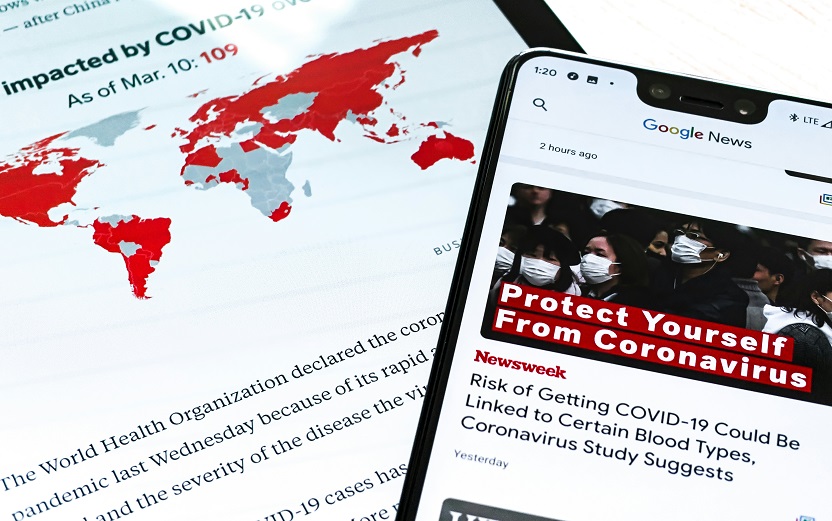

In any context, a Crisis Indicators may be defined as a significant threat to operations that can have negative consequences if not handled properly. Experts have identified early warning signs that indicate a looming crisis, recognizing the importance of addressing these indicators proactively. Among them, patterns and trends that have historically preceded major crises include a notable increase in geopolitical tensions, economic instability, and environmental changes.
A prevailing concern stems from rising geopolitical tensions, as recent conflicts illustrate the unpredictable nature of international relations. When nations exhibit escalating hostilities, the potential for crises increases rapidly. Political analysts have observed that similar situations in the past often served as precursors to significant conflict, warranting heightened vigilance.
The economic landscape is equally telling; fluctuations in global markets, soaring inflation rates, and rising unemployment tend to foreshadow potential crises. Financial experts stress that a moderate economic downturn can act as a catalyst for social unrest, which further exacerbates the situation. Consequently, monitoring economic indicators is vital for predicting possible crises.
Furthermore, environmental changes, such as climate change and natural disasters, have proven to invoke widespread humanitarian crises. As these changes intensify, experts argue that the effects are pervasive, affecting food security, health, and water access. Evaluations of environmental trends suggest that preparedness strategies need to evolve as the implications of climate instability grow more dire.
In analyzing current global events alongside expert opinions, it becomes apparent that these early warning signs deserve scrutiny. The intersection of geopolitical tensions, economic instability, and environmental factors serves as a litmus test for assessing the likelihood of a crisis. By acknowledging these signs, policymakers can implement strategies aimed at mitigating potential fallout before it escalates into a full-blown crisis.
Potential Causes of the Crisis
In our rapidly evolving world, various potential causes have been identified that could trigger the next significant crisis. Experts have categorized these causes into four primary areas: economic, environmental, political, and social factors. Understanding these factors is crucial for comprehensively analyzing the interconnected nature of potential crises.
Economic Factors: Economic instability remains one of the primary concerns. Experts note that rising inflation and increasing public debt, exacerbated by global supply chain disruptions, could lead to a recession. Countries could face a spiral of unemployment and decreased consumer spending, amplifying the risk of a full-blown financial crisis. Additionally, the unsustainable levels of personal and corporate debt may trigger market volatility and exacerbate the economic downturn.
Environmental Factors: The impact of climate change is another critical driver of potential crises. Extreme weather events, such as floods, hurricanes, and droughts, have been on the rise, causing significant disruptions to agriculture, infrastructure, and human life. Furthermore, the loss of biodiversity and natural resources can lead to increased competition for these limited commodities, which may culminate in conflicts and humanitarian issues.
Political Factors: Geopolitical tensions and instability present substantial challenges. Trade wars, nationalism, and shifting alliances have the potential to destabilize economies. The rise of authoritarian regimes and the erosion of democratic institutions may further complicate efforts to maintain global stability. Experts believe that political uncertainty can have wide-ranging implications, leading to heightened social unrest and potential conflicts.
Social Factors: Social inequality and discontent are vital contributors to unrest. As wealth disparities grow, marginalized communities may feel increasingly disenfranchised, potentially igniting protests and destabilization. The social fabric of societies could fray under the pressure of economic and political crises, leading to widespread discord and unrest.
This complex interplay between economic, environmental, political, and social factors showcases the multifaceted nature of the potential crisis ahead. Each aspect influences the others, creating a web of conditions that could lead to a significant global upheaval.
Impacts of the Upcoming Crisis Indicators
The predicted crisis is poised to have far-reaching effects across multiple sectors, significantly impacting economies, healthcare systems, and social stability. Economically, the ramifications may include increased unemployment rates and disruptions in supply chains, which could lead to inflationary pressures. As businesses struggle to adapt to the changing landscape, small enterprises and local suppliers may face insolvency, creating a ripple effect that threatens broader economic stability.
Healthcare systems are likely to experience immense strain as they confront increased demand for services amid potential resource shortages. This situation could exacerbate health disparities, particularly affecting vulnerable populations with limited access to healthcare. Such groups often include low-income families, individuals with pre-existing health conditions, and marginalized communities. The impact on public health could lead to a rise in untreated conditions, further straining healthcare resources and leading to a decline in overall community health.
Social stability may also deteriorate as widespread economic hardships foster discontent and unrest. Communities facing job losses and social isolation might witness a rise in crime rates and mental health issues, particularly among youth and at-risk groups. The anticipated social repercussions could manifest in protests and increased demand for government intervention, thereby straining public resources even further.
Moreover, the global interconnectedness of economies means that localized crisis Indicators can have international consequences. As countries grapple with their respective challenges, the effects could cascade across borders, impacting international trade, travel, and cooperative initiatives aimed at addressing global issues such as climate change and humanitarian crises. Ultimately, the potential impacts of the upcoming crisis underscore the need for comprehensive preparedness and robust response strategies to mitigate adverse effects across all sectors.
Mitigation Strategies and Solutions
As experts continue to sound the alarm regarding the potential looming Crisis Indicators, it is imperative that a multifaceted approach to mitigation is adopted. A collaborative effort involving government policies, community initiatives, and individual responsibilities can significantly impact how societies prepare for and respond to these pressing challenges.
On the governmental front, policies aimed at enhancing social welfare systems and ensuring access to essential services are crucial. This includes developing robust contingency plans that prioritize public health, economic stability, and environmental sustainability. By allocating resources effectively and implementing proactive measures, governments can bolster community resilience, making them less vulnerable to the adverse effects of the impending crisis.
Community initiatives play a pivotal role in fostering a resilient infrastructure that can withstand adversity. Local organizations can facilitate workshops that educate citizens on emergency preparedness, resource conservation, and risk assessment. Strengthening community ties through volunteer programs not only builds social cohesion but also empowers individuals to support one another during difficult times. Engaging citizens through local forums promoting dialogue regarding crisis preparedness can help in identifying unique local challenges and resource opportunities.
At the individual level, cultivating personal resilience is essential. Simple actions—such as establishing emergency plans, stocking essential supplies, and obtaining knowledge on self-sufficiency practices—can prepare households for unforeseen events. Furthermore, adopting sustainable lifestyle choices can alleviate some pressures that may lead to crises, showcasing how individual actions ripple through larger systems.
Overall, the integration of these mitigation strategies can develop a fortified societal framework ready to tackle potential crises head-on. By emphasizing preparedness at all levels of society government, community, and individuals we can enhance our collective resilience and mitigate challenges that may arise in the future.