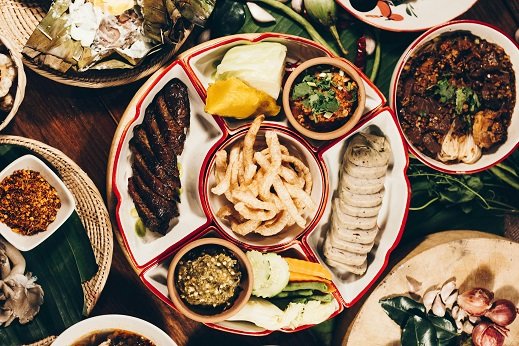

Traditional recipes are more than just cooking instructions; they are a living embodiment of a community’s heritage, culture, and identity. Often developed over generations, these recipes contain the unique flavors, techniques, and ingredients that represent a particular region or ethnic background. Traditional cooking serves not only as a means of nourishment but also as a vital connection to a shared history and the people who have come before us.
The significance of traditional recipes extends far beyond the meals themselves. They play a crucial role in family gatherings and cultural celebrations, where the act of preparing and sharing food fosters bonds between family members and friends. These recipes often encapsulate the agricultural practices, seasonal available ingredients, and the evolving tastes of a community, reflecting the diverse influences that can shape culinary practices over time.
However, the advent of globalization has introduced new challenges for traditional recipes. As culinary landscapes continue to change, there is a growing concern that many of these cherished recipes may be lost to the homogenization of food culture. Modern conveniences often lead to a decline in the practice of cooking traditional meals, and this drift from historical culinary practices threatens to erase the rich tapestry of global gastronomy.
The preservation and revitalization of traditional recipes are essential, as they serve as an educational tool for younger generations. By learning to prepare and appreciate these time-honored recipes, individuals may develop a greater understanding of their ancestry and the cultural narratives woven into each dish. Whether it’s the intricate art of making pasta in Italy or the heartfelt preparation of feijoada in Brazil, traditional recipes act as a bridge between the past and present, connecting us all through the universal language of food.
The Role of Ingredients in Traditional Cuisine
Traditional cuisine is often defined not only by its unique cooking methods but also by the distinctive ingredients that characterize its dishes. Each region around the world boasts a wealth of local produce, spices, and flavors that have been cultivated over generations. The use of seasonal and regional ingredients is crucial in creating authentic traditional recipes, as these elements contribute immensely to the flavor, texture, and nutritional value of meals.
For instance, in Mediterranean cooking, fresh herbs such as basil, rosemary, and thyme are staples that enhance dishes’ aromas and flavors. These herbs are often harvested locally, reflecting the climate and soil of the region. Similarly, in Asian cuisines, ingredients like lemongrass, ginger, and chilies are frequently used to impart distinct flavors that define various traditional dishes. The choice to utilize local ingredients not only ensures freshness but also supports sustainable farming practices and preserves culinary heritage.
Moreover, the cultural significance of specific ingredients varies widely across different cuisines. In Mexican cooking, for example, corn is considered a foundational element, used in everything from tortillas to tamales, showcasing its flexibility and central role in the diet. Meanwhile, in Italian cuisine, tomatoes play a vital role, pivotal in many traditional recipes such as pasta sauces and pizzas. This diversity highlights how geographic, climatic, and historical factors influence ingredient preferences and cooking practices worldwide.
In conclusion, the unique ingredients found in traditional cuisines are not merely elements of flavor; they represent the cultural identity and agricultural heritage of their respective regions. By utilizing local and seasonal ingredients, traditional recipes not only honor culinary traditions but also enhance the overall dining experience, reflecting the diversity and richness of global gastronomy.
Regional Highlights: Europe
Europe is a continent rich in culinary traditions, each country boasting its own iconic dishes that reflect local ingredients, climate, and cultural influences. In Italy, for example, few dishes capture the essence of its gastronomy quite like Risotto alla Milanese. This creamy rice dish, infused with saffron and often prepared with a rich broth, is a testament to the Northern Italian penchant for hearty flavors. Traditionally served on special occasions, Risotto alla Milanese not only satisfies the palate but also provides a window into the region’s agricultural practices and social customs.
Meanwhile, in France, Coq au Vin stands out as a celebrated comfort food. This rustic dish features chicken braised slowly in red wine, alongside mushrooms, onions, and lardons. It encapsulates the French theory of cooking where patience and quality ingredients yield an undeniably rich taste. The origins of Coq au Vin are believed to trace back to ancient Gaul, emphasizing the dish’s longstanding significance in French culture, particularly in rural regions where such meals were once staples.
Further south, Greek cuisine offers another layer of diversity with dishes like Moussaka. This iconic layered dish combines eggplant, ground meat, and béchamel sauce, reflecting the Mediterranean approach to seasonal ingredients. Moussaka is not just a popular family meal, but also a symbol of Greek hospitality and tradition, often enjoyed during communal gatherings and celebrations. Stories surrounding Moussaka highlight its evolution over time, showcasing how cultural exchanges have enriched traditional recipes.
In summary, the culinary landscape of Europe is vast, offering a rich tapestry of traditional recipes that serve as reflections of each country’s history, culture, and social dynamics. By understanding these iconic dishes, one gains insight into the shared human experience encapsulated within food.
Regional Highlights: Asia
Asia boasts a rich tapestry of culinary traditions, where each region’s recipes showcase the agricultural bounty and cultural heritage of its people. Traditional recipes from this diverse continent not only reflect local resources but also illustrate the ingenuity of utilizing these ingredients in distinctive ways. Chinese, Indian, and Thai cuisines stand as prime examples of how regional cooking methods can create a harmonious blend of flavors and textures.
In Chinese cooking, for instance, the use of fresh produce, grains, and proteins is common, as dishes such as stir-fry or dumplings emphasize balance and simplicity. The incorporation of ingredients varies by region, with coastal areas featuring seafood prominently, while the inland may favor meats and hearty vegetables. Additionally, traditional techniques like steaming and sautéing enhance the natural flavors of fresh produce, offering encounters that captivate the palate.
Indian cuisine, on the other hand, is celebrated for its intricate use of spices, which are often sourced locally. Each region has its own blend of spices known as masalas, which can change dramatically from the rich, creamy dishes of the north to the vibrant flavors and lighter preparations found in the southern areas. The emphasis on vegetarianism in many parts of India also highlights the country’s agricultural focus, with grains and legumes forming the basis of many traditional recipes.
Thai cuisine masterfully showcases the balance of flavors—sweet, salty, sour, and spicy—often within a single dish. Ingredients like fresh herbs, chilies, and lime are central to many traditional recipes, illustrating how the region’s climate and agriculture influence its culinary practices. Fusion techniques, such as combining grilling methods with aromatic curry pastes, create unique dishes that reflect the dynamic nature of the region.
Overall, traditional Asian recipes exemplify more than just meals; they tell stories of land, labor, and a cultural dedication to flavor and balance, making each dish a celebration of its origins.
Regional Highlights: Africa
Africa, a continent rich in culture and tradition, offers a diverse array of traditional recipes that reflect its varied climates, agricultural practices, and communal values. Each region boasts unique staples, influenced by local resources and cooking techniques, often utilizing vibrant spices that enhance the flavor and nutritional value of the dishes. For instance, in West Africa, jollof rice, a staple dish, combines rice, tomatoes, and spices such as thyme and bay leaves, showcasing the region’s culinary flair and the importance of communal dining.
In North Africa, tagine is synonymous with Moroccan cuisine. This slow-cooked stew, named after the earthenware pot it’s cooked in, typically features meat or vegetables combined with an array of spices like cumin, coriander, and saffron, illustrating the influence of trade routes on local flavors. The cooking technique, which allows for complex flavors to develop over time, is mirrored in many communal preparation styles in Africa, where food is often cooked in large quantities for sharing during gatherings.
Moving to East Africa, ugali serves as a perfect example of a common staple. Made from maize flour and water, this starchy dish acts as an accompaniment to various meats and vegetables, signifying the agricultural practices predominant in the region. The sharing of ugali during meals fosters familial bonds and camaraderie, resonating with the cultural emphasis on community.
Southern Africa presents its own unique offerings, such as biltong, a form of dried, cured meat akin to jerky. This preservation technique dates back to indigenous traditions, emphasizing sustainability and resourcefulness. The preparation of traditional meals often parallels cultural rituals, where food is not merely sustenance but a means of storytelling and expressing cultural identity.
Thus, traditional recipes from Africa embody vibrant spices, unique cooking techniques, and communal eating practices that are deeply rooted in the continent’s diverse agricultural heritage and cultural rituals. Each dish tells a story, bridging generations through shared culinary experiences.
Regional Highlights: The Americas
The culinary landscape of the Americas is as varied as its geography, showcasing a rich tapestry of indigenous cultures blended with influences from European colonization and African heritage. From North to South America, traditional recipes tell stories of history, community, and the fusion of flavors that have evolved over centuries.
In North America, one of the most notable cuisines is Cajun cooking, which originates from the French-speaking Acadian people. Characterized by its robust use of spices, Cajun recipes such as gumbo and jambalaya reflect the combination of French, African, Spanish, and Native American elements. These dishes not only satisfy the palate but also serve as a testament to the resilience and adaptability of the Cajun culture.
Traveling south, one encounters the vibrant flavors of Mexican cuisine, renowned for its use of fresh ingredients such as corn, beans, and a variety of chili peppers. Traditional Mexican dishes, such as mole and tamales, have deep historical roots, often linked to indigenous practices. The integration of Spanish culinary techniques after the colonial period brought forth a distinctive blend that celebrates both heritage and innovation.
In South America, Brazilian cuisine showcases a diverse range of influences, from indigenous tribes to Portuguese settlers and African slaves. One iconic dish, feijoada, is a rich black bean stew slow-cooked with pork and beef, reflecting the cultural melting pot that is Brazil. Each region offers unique ingredients and preparations, with dishes like ceviche in Peru highlighting the continent’s varied culinary landscape.
Across the Americas, traditional recipes serve as a crucial link to cultural identities, preserving age-old customs and promoting the appreciation of indigenous practices in contemporary cooking. Each bite carries a story, reminding us of the profound connection between food and culture.
The Influence of Culture on Cooking Methods
Culinary practices serve as significant reflections of cultural identity across the globe. The selection of ingredients, cooking methods, and even the rituals surrounding the preparation and consumption of food vary widely, rooted deeply in the traditions and values of particular societies. An excellent illustration of this is the grilling method, prevalent in many cultures, from American barbecues to Brazilian churrasco. This cooking technique not only imparts distinctive flavors but also embodies a communal spirit, as families and friends gather around open flames, sharing stories and experiences.
Another impactful cooking method is steaming, which remains central to numerous Asian cultures. Countries such as China and Japan utilize steaming to preserve the nutritional value and natural flavors of ingredients. This technique reflects the cultural emphasis on health and balance, showcasing how methods of cooking can signify deeper societal values. Steaming often accompanies social rituals as well, highlighting the importance of food in fostering relationships and community ties.
Fermenting serves as yet another captivating example of how culture shapes cooking methods. Its roots span across numerous societies, manifesting in staples like kimchi in Korea, sauerkraut in Germany, and miso in Japan. Each culture incorporates local ingredients, illustrating how familiar practices evolve with environmental factors and available resources. The fermentation process not only serves practical purposes, such as food preservation, but it also intertwines with local traditions, often regarded as a rite of passage or shared communal undertaking.
Ultimately, these varied techniques illustrate that the way we cook extends far beyond mere sustenance. Cooking methods reflect cultural beliefs and practices surrounding food, emphasizing the importance of food as a medium for connection, storytelling, and tradition within each culture. With every dish prepared, a legacy of heritage and community is sustained, inviting future generations to partake in the rich tapestry of culinary history.
Modern Interpretations of Traditional Recipes
The evolution of culinary practices has led to innovative interpretations of traditional recipes, reflecting a growing interest in catering to contemporary tastes and values. Chefs and home cooks alike are creatively reimagining age-old dishes, aiming to strike a balance between authenticity and modern innovation. The rising interest in health and dietary preferences has inspired many to develop vegetarian or vegan versions of classic recipes. For instance, traditional Italian lasagna, which typically contains meat and cheese, is now frequently made with plant-based alternatives, thereby preserving the essence of the dish while catering to those seeking healthier or animal-free options.
Additionally, the increasing popularity of gluten-free diets has prompted many recipes to adapt, incorporating alternative flours such as almond or coconut flour to create traditional baked goods. This approach not only widens the accessibility of beloved recipes but also encourages a more inclusive dining experience. Moreover, the integration of technology into traditional cooking methods has facilitated modern interpretations. Home cooks can now use sous-vide techniques to achieve precise cooking temperatures, resulting in tender meats and perfectly cooked vegetables, all the while staying true to the foundational elements of a recipe.
Furthermore, sustainability has emerged as a pivotal consideration in the reimagining of traditional recipes. Chefs are making concerted efforts to utilize locally sourced ingredients, minimizing the environmental impact associated with food transportation. This commitment to sustainability often leads to innovative twists on classic dishes, where seasonal produce is incorporated to highlight the flavors of local fare, enhancing both the taste and ecological footprint of a traditional meal.
Conclusion: The Importance of Preserving Culinary Heritage
Throughout our exploration of traditional recipes from various cultures around the globe, we have come to understand that these culinary treasures are much more than mere dishes; they represent the rich cultural identities, histories, and stories of communities. Each recipe encapsulates the essence of its origin, reflecting the agricultural practices, available ingredients, and dietary habits that have shaped the people who create and share them.
Preserving culinary heritage is essential for numerous reasons. First, these traditional recipes connect us to our past, reminding us of our ancestors and their ways of life. By documenting and sharing these practices, we maintain a cultural continuity that can be threatened by modernization and globalization. Recipes often serve as a vessel for memory, passing down familial and communal stories, traditions, and values that might otherwise be forgotten.
Moreover, the role of communities and organizations cannot be overstated in the effort to sustain this heritage. Local cooking schools, cultural initiatives, and heritage organizations work diligently to record and teach these time-honored techniques. Through workshops and community events, they help foster a sense of pride among younger generations, encouraging them to not only learn but also innovate upon these traditional recipes, thereby ensuring their relevance in contemporary society.
In conclusion, while the journey through traditional recipes has been delightful and enriching, it has also highlighted a critical responsibility we all share. By valuing and safeguarding these recipes, we not only honor our cultural heritage but also nurture an appreciation for the diversity of the world’s culinary landscape. This commitment to preservation ensures that future generations can experience and understand the significance of the food that means so much to their cultural identity.