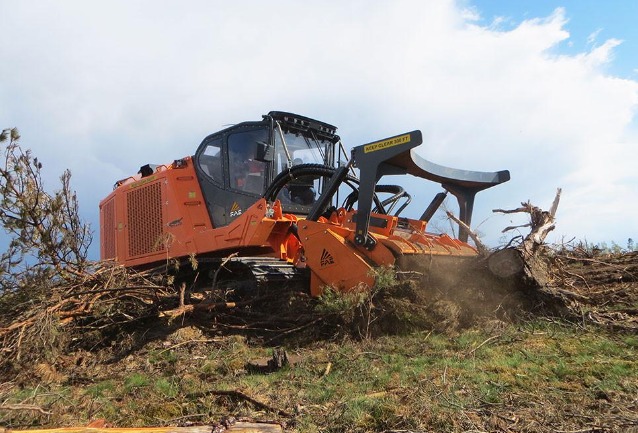

Not all vegetation puts the same demands on a forestry mulcher. Grass and light brush are generally easier to process, while dense undergrowth, hardwood, and small trees can create more resistance and impact during mulching. This is why the same tooth configuration may not work equally well for every job. When choosing FAE mulcher teeth, you need to consider not only the vegetation but also your machine, rotor setup, and working conditions. Understanding these factors can help you select a suitable tooth configuration for the work ahead.
Start With the Type of Vegetation
Choosing the right fae mulcher teeth starts with understanding what you will be processing most often. Different vegetation creates different levels of cutting resistance and impact, so the requirements can change significantly from one job to another.
As a general rule:
- Light vegetation: Grass, weeds, and small brush usually create less cutting resistance.
- Dense brush: Thick and tangled vegetation can keep the teeth under a more continuous cutting load.
- Hardwood and small trees: These materials are harder and can create more impact when the teeth make contact.
- Stumps and heavy woody material: Cutting near stumps or processing heavier wood can place greater demands on the cutting system.
Looking at the material first gives you a better starting point before considering the machine and working conditions.
For Grass and Light Vegetation
Grass, weeds, and small shrubs generally create less cutting resistance than hardwood or larger woody material. If most of your work involves this type of vegetation, you may not need the same cutting characteristics required for heavy forestry clearing.
Instead, focus on teeth that can provide:
- Consistent cutting: The teeth should maintain steady contact with lighter vegetation.
- Clean results: The mulcher should process grass and small brush without leaving excessive material behind.
- Suitable cutting action: The tooth configuration should match the rotor and machine rather than simply being selected for the heaviest material you might encounter.
If light vegetation is your main application, consider the typical job conditions rather than choosing teeth based only on the toughest material you occasionally process.
For Dense Brush and Thick Undergrowth
Dense brush and thick undergrowth put a different load on a forestry mulcher. Instead of cutting small amounts of light vegetation, the teeth may stay in contact with tangled branches and heavy brush for longer periods. This makes consistent cutting more important, especially when clearing a large area.
When working in these conditions, pay attention to:
- Vegetation density: Thick growth may require a more robust cutting setup.
- Tooth condition: Worn or damaged teeth can make it harder to maintain consistent results.
- Working speed: Moving too quickly can overload the cutting system and leave more material behind.
- Material flow: Feeding vegetation too aggressively can also affect cutting consistency.
Your typical brush density should therefore be considered when matching the tooth configuration to the job.
For Hardwood and Small Trees
Hardwood and small trees create more resistance than grass or ordinary brush, so they can place greater demands on the mulcher’s cutting system. When the teeth repeatedly contact dense wood, the cutting load and impact can increase, particularly when processing larger or harder stems.
A tooth configuration that works well for light brush may not give the same results when the machine regularly works through hardwood. Consider:
- Wood hardness: Harder species can require more cutting force.
- Tree size: Larger stems generally create greater impact during cutting.
- Machine power: The tooth setup should be appropriate for the power and capabilities of the mulcher.
- Working depth: Cutting too aggressively or working deeper than necessary can increase the load on the machine and teeth.
If hardwood and small trees make up most of the job, choose a setup based on those regular working conditions rather than occasional light vegetation.
For Stumps and Heavy Woody Material
Stumps and heavy woody material can create much higher impact loads than ordinary brush or small trees. When cutting close to the ground, the teeth may also come into contact with soil, rocks, or other abrasive material. These conditions can increase the risk of tooth wear or damage.
Before taking on this type of work, consider:
- Impact: Larger and harder material can place greater loads on the cutting system.
- Ground contact: Soil and hidden rocks can increase abrasion and impact.
- Tooth condition: Damaged or heavily worn teeth may not handle demanding work as effectively.
- Machine limitations: The rotor, machine power, and operating method should all be suitable for the material being processed.
If stump and heavy-wood clearing is a regular part of your work, the entire cutting setup should be considered rather than focusing only on the teeth.
Consider the Working Environment, Not Just the Vegetation
Vegetation is only one part of the equation. The ground conditions can also change how a forestry mulcher and its teeth perform. For example, cutting hardwood on clean ground is different from working in rocky soil where the teeth may encounter hidden stones or other debris.
Before selecting fae teeth, consider:
- Rocky or sandy soil: Abrasive material can increase tooth wear.
- Wet conditions: Mud and wet vegetation can affect material flow and cutting results.
- Uneven terrain: Slopes and rough ground can make consistent operation more difficult.
- Hidden debris: Rocks, metal, or other objects can cause unexpected impacts.
- Soil contact: Working too close to the ground can expose the teeth to additional abrasion.
Considering both vegetation and ground conditions gives you a more realistic picture of the demands of the job.
Check the Machine Before Finalizing the Teeth
Before finalizing a tooth configuration, make sure it matches the mulcher as well as the job. Check the:
- Mulcher model and horsepower
- Rotor configuration
- Typical vegetation and working environment
- Expected working depth
- Existing tooth mounting configuration
These details can affect fitment and how the cutting system operates. A tooth that suits the vegetation may still be unsuitable if it does not match the machine or rotor. Looking at the complete setup helps you avoid compatibility problems and choose a configuration that fits the actual work.
Conclusion
Different vegetation creates different demands on a forestry mulcher, but the material itself is not the only factor to consider. Looking at the machine, terrain, and operating conditions together can help you determine which tooth configuration is better suited to your regular clearing work.