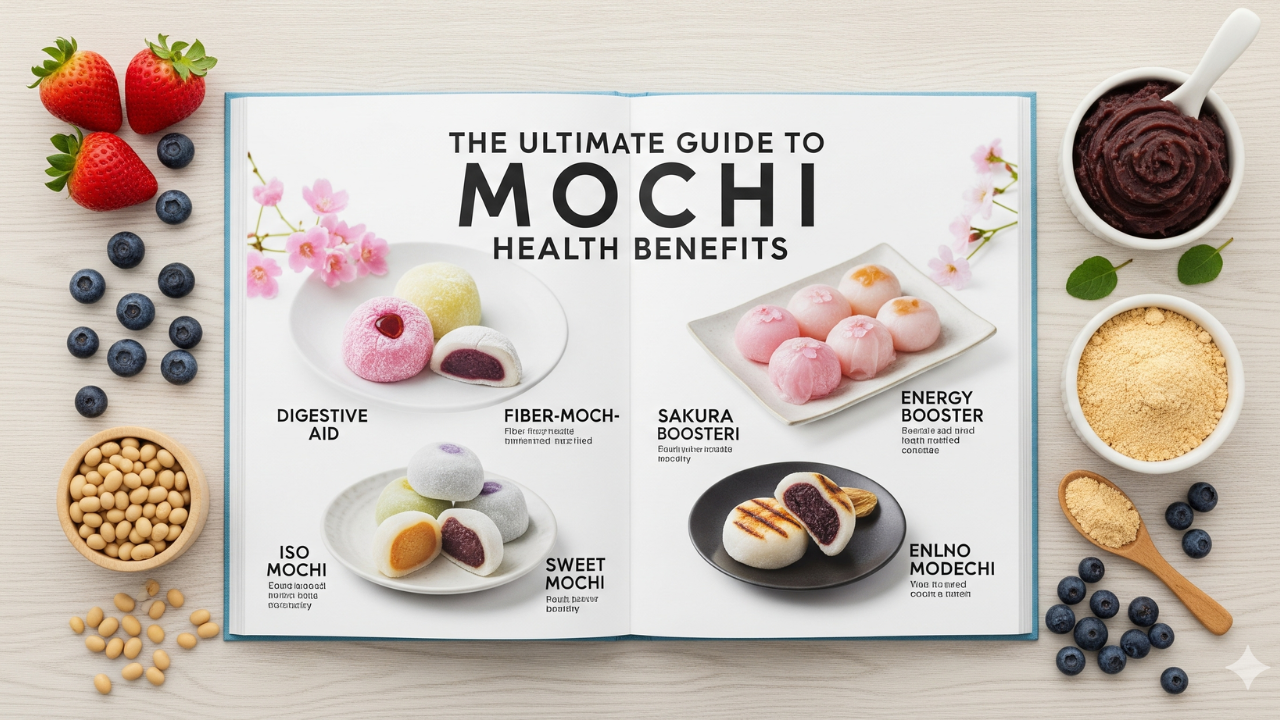

Mochi is more than just a delicious treat; it’s a delightful experience wrapped in history and culture. This chewy, glutinous rice delicacy has been enjoyed for centuries, captivating taste buds around the world. With its unique texture and versatile flavor profile, mochi has gained popularity beyond traditional Japanese cuisine.
But did you know that this sweet snack also packs some impressive health benefits? As we explore the world of mochi further, you’ll discover how it can fit into your wellness journey while satisfying your cravings. Whether you’re already a fan or new to this fascinating food, let’s dive into what makes mochi not only tasty but also potentially good for you!
History and Cultural Significance of Mochi
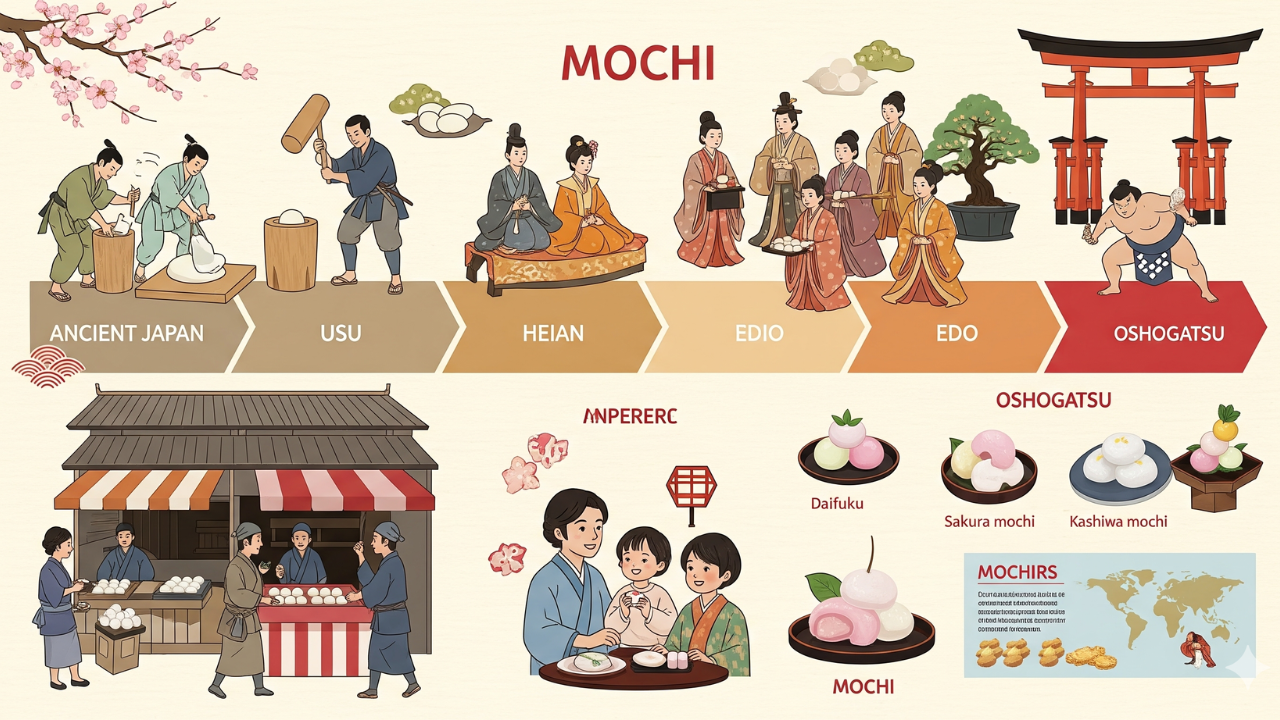
Mochi’s roots trace back over a thousand years, originating in East Asia. This traditional rice cake has been an integral part of Japanese culture and festivities.
Historically, mochi was made during the harvest season to celebrate plentiful crops. It symbolized prosperity and good fortune. Families would gather to pound glutinous rice into this chewy delicacy as a communal activity.
In Japan, the New Year’s celebration often includes eating mochi. Known as “kagamimochi,” it represents harmony between heaven and earth. The round shape signifies family unity and stability.
Across various Asian cultures, mochi is also used in festivals and religious ceremonies, highlighting its importance beyond just food. Its versatility allows for countless flavors and fillings that reflect regional tastes while maintaining deep-rooted traditions.
Today, mochi continues to evolve globally yet remains anchored in its rich heritage, making it not just a treat but a cultural emblem cherished by many.
Nutritional Breakdown of Mochi
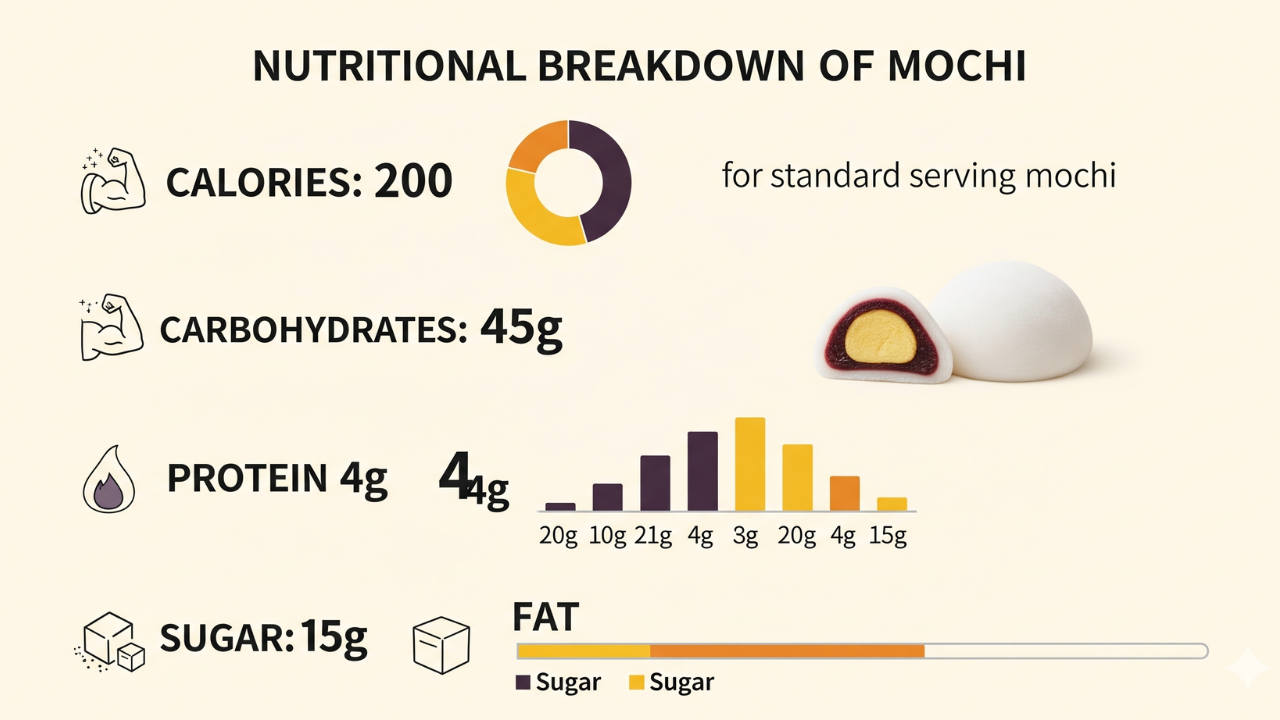
Mochi is primarily made from glutinous rice, which gives it its unique chewy texture. A typical serving of mochi contains about 100 calories. It’s a low-calorie option that can satisfy your sweet cravings without derailing your diet.
In terms of macronutrients, mochi offers small amounts of protein and fat but is predominantly composed of carbohydrates. This makes it an excellent energy source for those needing quick fuel.
Additionally, mochi provides essential vitamins and minerals like calcium and iron in modest quantities. However, the nutritional profile varies depending on any fillings or toppings added during preparation.
Many people appreciate that mochi is gluten-free due to its rice base. This characteristic allows those with gluten sensitivities to enjoy this delightful treat without worry. Just remember that moderation is key!
Potential Health Benefits of Eating Mochi
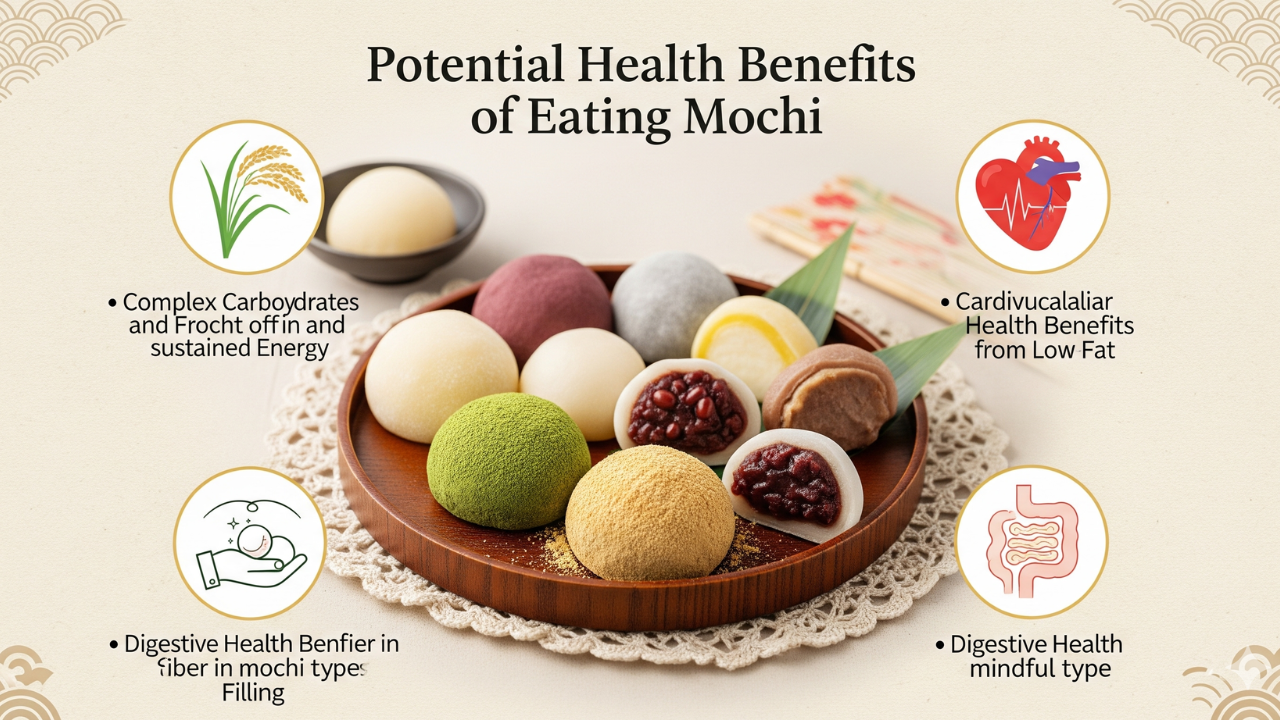
Mochi offers several potential health benefits that make it a delightful addition to your diet. For starters, this chewy treat is gluten-free, making it suitable for those with gluten sensitivities or celiac disease.
Rich in carbohydrates, mochi provides a quick source of energy. It can be an excellent pre-workout snack to fuel your activities. The texture also encourages slower eating, which may help with mindful consumption and portion control.
Additionally, traditional varieties often incorporate natural ingredients like sweet red bean paste or fruit fillings. These add nutritional value and antioxidants to the mix.
The combination of glutinous rice and added toppings means you can customize flavors while keeping them healthier compared to many processed snacks. You might find different ways mochi supports a balanced lifestyle without sacrificing taste or satisfaction.
How to Incorporate Mochi into Your Diet
Incorporating mochi into your diet can be delicious and fun. Start with simple snacks. Mochi ice cream is a popular choice, blending sweet flavors with chewy texture.
For breakfast, consider adding mochi to your oatmeal or yogurt. It adds an interesting twist while enhancing the meal’s satisfaction.
You can also use mochi in savory dishes. Slice it thinly and pan-fry for crispy toppings on salads or soups. It gives an unexpected crunch that elevates ordinary meals.
If you’re feeling adventurous, try making mochi-based desserts like cakes or pastries. The versatility of this ingredient allows for endless creativity in the kitchen.
Don’t forget about traditional recipes too! Use them as dumplings in soups or stews to soak up rich flavors, bringing authenticity to your dining experience.
Experimentation is key; let your taste buds guide you!
Precautions and Side Effects of Consuming Mochi
While mochi is a delightful treat, it’s important to enjoy it mindfully. The chewy texture can pose a choking hazard, especially for young children and the elderly. Always cut mochi into smaller pieces before serving.
Mochi is typically made from glutinous rice, which may not sit well with individuals sensitive to gluten or those with specific dietary restrictions. If you have any known allergies or intolerances, it’s wise to check the ingredients thoroughly.
Another point to consider is portion size. Mochi can be calorie-dense due to its carbohydrate content. Overindulging could lead to unwanted weight gain if consumed frequently without balance in your diet.
Keep an eye on added sugars and flavors in store-bought varieties. They often contain sweeteners that can detract from the health benefits while increasing caloric intake significantly. Enjoying mochi as part of a balanced approach ensures you reap its joys without complications.
Conclusion: Is Mochi a Healthy Choice?
When evaluating the health aspects of mochi, it’s essential to weigh its benefits against potential drawbacks. Mochi offers a unique texture and flavor while being low in fat. It provides carbohydrates that can give you an energy boost, making it a popular snack among many cultures.
However, it’s crucial to consider portion sizes and how often you indulge. The sticky consistency can pose a choking hazard for certain individuals, especially young children or those with swallowing difficulties. Additionally, flavored varieties may contain added sugars or artificial ingredients that could counteract some of the health benefits.
Mochi can be part of a balanced diet when consumed mindfully. Incorporating mochi into meals adds variety and excitement while providing nutritional value. Whether enjoyed plain or filled with sweet or savory fillings, this traditional treat has something to offer everyone.
Understanding your dietary needs is key when deciding if mochi fits into your lifestyle as a healthy choice.