
Understanding Work-Life Balance
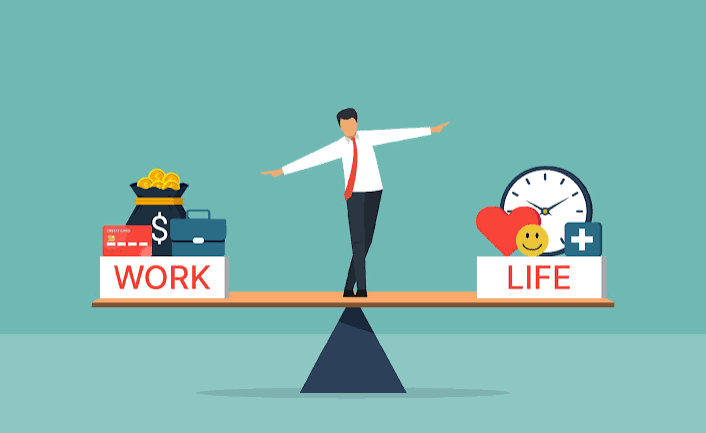
Work-life balance refers to the equilibrium between the time and energy devoted to work and that allocated to personal life. Achieving a proper balance is essential to ensure overall well-being, fostering not only productivity at work but also satisfaction in personal endeavors. In a world where the demands of professional life often encroach upon personal time, understanding the importance of maintaining this balance becomes crucial.
The consequences of poor work-life balance can be detrimental. When individuals consistently prioritize work over their personal lives, it can lead to stress, burnout, and reduced mental health. This imbalance frequently manifests as anxiety and can adversely affect relationships, both personal and professional. It is evident that a lack of work-life balance can hinder performance at work, perpetrating a vicious cycle of increased work pressure and diminishing personal satisfaction.
Conversely, achieving a healthy work-life balance can have profound positive implications. Individuals who manage to strike a balance between work and personal life often experience improved mental health. They report higher levels of happiness and satisfaction, enabling them to be more engaged and productive during work hours. Moreover, a well-balanced lifestyle allows for the development of personal interests and the nurturing of relationships outside of a professional setting, contributing to a well-rounded existence.
The significance of work-life balance cannot be underestimated. It is a fundamental aspect of sustaining mental wellness and enhancing overall productivity. By prioritizing this balance, individuals equip themselves to handle work challenges more effectively while also enjoying life outside of work. Therefore, fostering an environment that values work-life balance is a critical step toward ensuring that individuals thrive both in their careers and personal lives.
Assessing Your Current Balance
Achieving a better work-life balance begins with a comprehensive assessment of your current situation. This evaluation is essential to understand how your time is allocated between work commitments and personal endeavors. One effective method to reach this understanding is through a time management audit. This involves tracking how you spend your hours in a typical week, noting time dedicated to work, family, hobbies, and self-care.
When conducting a time management audit, create a detailed log of your daily activities. This can be done using digital tools or a simple paper notebook. By categorizing each task and estimating the time spent, you will be able to visualize the time allocation and identify any patterns that emerge. You might find that work takes up more hours than intended, especially if you frequently bring work home or check emails after hours. Alternatively, you may discover time slots where you can incorporate more personal activities or relaxation.
In addition to the time management audit, personal reflection exercises can significantly enhance your understanding of your work-life balance. Taking time to consider your feelings about your current situation can lead to insights about what aspects of your life feel fulfilling and which may be perceived as overwhelming. Questions such as “Am I satisfied with my personal time?” or “Do I have enough time for relationships and self-care?” can guide this reflection process. Journaling or discussing these thoughts with a trusted friend can also facilitate deeper understanding.
Both the time management audit and personal reflection exercises serve as valuable tools in identifying areas of imbalance. By pinpointing these discrepancies, you will be better equipped to formulate a strategy that promotes a healthier work-life balance, ultimately leading to greater overall satisfaction and productivity.
Setting Clear Boundaries
Establishing clear boundaries between work and personal life is essential for achieving a healthy work-life balance. These boundaries help individuals delineate their professional responsibilities from personal time, contributing to reduced stress and increased satisfaction in both areas. By clearly defining and communicating these boundaries, employees can foster a more sustainable work environment that promotes well-being and productivity.
One effective method of setting boundaries is to establish specific work hours. By defining your availability, you can prevent work-related interruptions during personal time. Communicating these hours to employers, colleagues, and clients ensures that others respect your designated time away from work responsibilities. It’s important to convey that while you are committed to your job, you also value personal time, which is crucial for long-term efficiency and health.
In addition to setting hours, physical workspace differentiation also plays a significant role in maintaining boundaries. If possible, create a dedicated space for work, distinct from personal areas in your home. This spatial separation can psychologically reinforce the boundary, making it easier to shift from work mode to personal mode at the end of your working hours.
Effective communication is key to upholding these boundaries. Regularly discussing your work-life balance needs with supervisors and colleagues can help foster understanding and flexibility. For instance, during team meetings, you can assertively express your need for uninterrupted personal time. Utilizing tools such as an out-of-office notification can also signal your unavailability during personal hours, further establishing these boundaries.
Lastly, maintaining these boundaries requires consistent effort. While it can be tempting to respond to emails or calls outside of work hours, prioritizing personal time over work obligations is crucial for sustaining focus and productivity when you are at work. By committing to these strategies, individuals can create a more balanced lifestyle that enhances overall well-being.
Time Management Techniques
Achieving a better work-life balance is often significantly influenced by effective time management techniques. Properly managing your time can lead to increased productivity, reduced stress, and a more fulfilling personal life. One well-known method is the Pomodoro Technique. This technique encourages work in intervals, typically 25 minutes, followed by a short break. Such structured work sessions can enhance focus while allowing for regular recovery, thus preventing burnout.
Another effective approach is the prioritization of tasks. This can be achieved by utilizing tools such as the Eisenhower Matrix, which divides tasks into four categories based on their urgency and importance. By clearly defining what is urgent and what is important, individuals can focus their efforts on high-priority tasks, ensuring that critical obligations are met while lower priority tasks can be scheduled accordingly or delegated.
Additionally, scheduling breaks is essential for both mental and physical health. Frequent short breaks not only prevent fatigue but also enhance concentration and creativity. Techniques such as blocking specific times in your calendar for breaks can be very beneficial in maintaining overall productivity. Moreover, integrating leisure activities or family time into your schedule can further promote a balanced life. These techniques work synergistically to enable individuals to maintain their productivity while also investing time into personal and family commitments.
By employing these time management techniques, individuals often find that they can reclaim some personal time, leading to improved work-life balance. This holistic view of time management recognizes that productive work does not equate to constantly being occupied; rather, it involves a thoughtful approach to how time is allocated in all areas of life.
Embracing Flexibility and Adaptability
Flexibility and adaptability are essential components in achieving a better work-life balance. In today’s fast-paced and dynamic environment, the ability to adjust to changing circumstances is increasingly valuable for both personal well-being and professional success. Embracing these qualities can significantly enhance your capability to manage various aspects of life, leading to a more satisfying and productive existence.
The notion of flexibility extends beyond simply having a variable schedule. It involves a mindset that welcomes change and seeks innovative solutions when challenges arise. For instance, professionals who can shift their priorities as demands fluctuate tend to experience less stress and greater job satisfaction. This can be achieved by evaluating and reshaping one’s daily routines to allocate time effectively for both work and personal commitments. By identifying peak productivity hours and scheduling tasks accordingly, individuals can maximize their efficiency and free up time for relaxation and personal growth.
Adaptability, on the other hand, refers to the willingness and capability to modify one’s approach to situations. This may include experimenting with different strategies for managing responsibilities or seeking alternative methods to communicate and collaborate in a work context. Developing adaptive skills can enable individuals to better navigate unforeseen obstacles, which is often crucial in maintaining a healthy work-life balance. For example, a sudden increase in workload may necessitate finding suitable ways to delegate tasks or reorganize timelines. Through adaptive management of these situations, one can reduce potential conflicts between work obligations and personal aspirations.
Incorporating flexibility and adaptability into one’s lifestyle fosters resilience, encouraging individuals to overcome setbacks and maintain equilibrium. As personal and professional demands evolve, the capacity to pivot and embrace new circumstances becomes a pivotal element of success. By prioritizing these traits, individuals can develop a more coherent and harmonious life, effectively blending their personal passions with their professional goals.
The Role of Technology
In today’s fast-paced world, technology plays a dual role in shaping our work-life balance. On one hand, it offers a multitude of productivity tools and applications that can help individuals manage their time more efficiently. These tools allow for seamless collaboration, enable remote work, and create opportunities for individuals to stay organized amidst their busy schedules. For instance, project management applications such as Asana or Trello empower users to keep track of their tasks and deadlines, leading to improved productivity and reduced stress levels.
Moreover, technology facilitates communication, allowing individuals to connect with colleagues and family members across long distances. Video conferencing platforms such as Zoom and Microsoft Teams have transformed the way teams operate, enabling effective meetings without the need for physical presence. This flexibility can lead to a more relaxed environment, providing individuals with the opportunity to balance their professional responsibilities with personal commitments.
However, it is crucial to acknowledge the challenges that come with constant connectivity. The expectation to be available at all times can blur the lines between work and personal life, leading to burnout and stress. The proliferation of notifications and incoming messages can create an overwhelming atmosphere, making it difficult to disconnect from work. Hence, it is essential for individuals to adopt mindful technology usage practices. Setting specific boundaries, such as designated ‘no technology’ times or utilizing applications to limit notifications, can significantly help in preserving a healthier work-life balance.
By leveraging technology effectively while being aware of its potential downsides, individuals can create a work-life balance that promotes overall well-being. Mindful engagement with technological tools can ensure that they serve as an asset rather than a hindrance, ultimately contributing to a more fulfilling and balanced lifestyle.
Incorporating Regular Breaks
In today’s fast-paced work environment, the importance of regular breaks cannot be overstated. Numerous studies suggest that taking short intervals of rest throughout the workday can significantly enhance overall productivity and mental clarity. Regular breaks provide an essential opportunity for employees to recharge, thereby helping to maintain focus and improve performance over longer stretches of work.
Physiologically, breaks can lead to improved cognitive function. When humans work for extended periods without pauses, mental fatigue occurs, which diminishes concentration and problem-solving skills. Integrating short breaks into daily schedules allows the brain to recover and can help mitigate the effects of stress. For example, a simple five-minute pause every hour can help refresh the mind, making it easier to tackle subsequent tasks with renewed vigor.
Effective breaks are not just about stepping away from the desk; they can take various forms depending on personal preferences and workplace settings. Walking around, engaging in a brief stretching routine, or simply taking a moment to enjoy a cup of coffee can all serve as refreshing resets during the day. Additionally, utilizing techniques such as the Pomodoro Technique, where one works for 25 minutes followed by a 5-minute break, can be particularly effective in ensuring regular intervals of rest.
Moreover, the psychological benefits of breaks extend beyond physical recovery. Taking time away from work-related tasks also fosters creativity and innovation. This diversion often leads to new perspectives on problems being faced, encouraging out-of-the-box thinking. As such, companies that promote a culture supportive of regular breaks may find themselves benefiting from enhanced creativity among employees, ultimately leading to better performance and job satisfaction.
In summary, incorporating regular breaks into the workday is a strategic approach to enhancing both employee well-being and productivity. By acknowledging the critical role of rest and recovery, individuals can cultivate a more balanced and effective work experience.
Building a Support System
Achieving a healthy work-life balance is increasingly becoming a priority in today’s fast-paced world. One key component often overlooked is the importance of a strong support system. A well-established network of relationships with family, friends, and colleagues can significantly contribute to both personal and professional stability. Such a network can offer emotional support, practical assistance, and a sense of belonging, all of which are vital for maintaining balance between work and personal life.
To cultivate a robust support system, it is essential to extend efforts toward nurturing existing relationships. Spend quality time with family and friends, engage in meaningful conversations, and participate in shared activities. Notably, establishing boundaries to ensure these relationships do not become overshadowed by work commitments is crucial. It might be beneficial to schedule regular gatherings or check-ins, reinforcing the connections that contribute positively to one’s mental and emotional health.
In the workplace, fostering relationships with colleagues can also be invaluable. Collaboration and camaraderie among team members create a supportive environment that can alleviate stress and enhance productivity. This environment encourages open communication, enabling individuals to ask for help without fear of judgment. Whether it’s seeking advice or sharing workload during peak times, such interactions contribute to achieving a more balanced work-life dynamic.
Moreover, do not hesitate to reach out for professional assistance when necessary. Engaging with mentors, counselors, or support groups can provide unique perspectives and coping strategies for navigating work-life challenges. These resources can serve as integral parts of a support system, ensuring that individuals have access to both peer and professional guidance.
By intentionally building and maintaining these connections, individuals can enhance their resilience and adaptability in balancing the demands of work and personal life. The various forms of support provide a buffer against stressors associated with both domains, ultimately paving the way for a more fulfilling and sustainable lifestyle.
Continuous Improvement and Reflection
Achieving a better work-life balance is not a one-time effort but a continuous journey that requires regular reflection and adjustment. As individuals progress through various stages of their lives and careers, priorities shift, and new challenges arise. It is essential to remain adaptable and committed to ongoing improvement in managing the balance between professional responsibilities and personal well-being.
To embark on this journey effectively, individuals should engage in regular self-assessment. This involves evaluating current work-life dynamics, identifying areas of satisfaction as well as concern, and considering how these factors align with personal values and goals. Keeping a journal or a digital log may assist individuals in tracking these reflections over time. By heightening awareness of daily routines and emotional responses, one can better understand the effectiveness of existing strategies.
Moreover, seeking feedback from trusted colleagues, friends, and family can provide additional perspectives and insights. Often, external viewpoints can reveal blind spots in one’s approach to work-life balance, enabling more informed decisions about potential changes. It is also important to recognize that the ideal work-life balance may differ significantly from one person to another, and what works for one may not suit another. Therefore, personalization of strategies is key.
As needs evolve, so too should the strategies employed to achieve a harmonious balance. This can involve redefining goals, establishing new boundaries, or even integrating new habits that prioritize self-care and leisure. Regularly revisiting and refining methods fosters a proactive approach to well-being, ultimately leading to sustained satisfaction both at work and in personal life. By approaching the work-life balance as an ongoing journey of improvement, individuals can cultivate resilience and adaptability that benefit their overall quality of life.