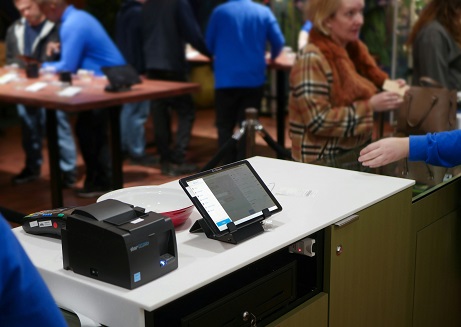

The landscape of e-commerce technology has significantly evolved over the past decade, driven by rapid advancements in digital tools and consumer demands. Innovations in e-commerce platforms and payment solutions have reshaped how consumers engage with brands and make purchasing decisions. As a result, businesses have adapted to these changes to remain competitive in a constantly shifting marketplace. During the early stages of e-commerce, the online shopping experience was often marred by limitations in website design and slow transaction processes. However, the rise of mobile technology and improved internet connectivity has led to a surge in user-friendly online marketplaces. Today’s e-commerce platforms leverage cutting-edge technologies such as artificial intelligence (AI), big data analytics, and cloud computing to enhance the shopping experience. AI-driven chatbots, for example, help customers navigate through products while personalizing recommendations based on previous browsing history.
Moreover, secure payment gateways and digital wallets have emerged as vital components of e-commerce technology. These innovations allow for seamless and secure transactions, fostering consumer trust and encouraging online spending. The prevalence of mobile commerce, or m-commerce, is also noteworthy, reflecting consumers’ preference for shopping through their smartphones and tablets. As such, businesses are increasingly developing mobile-optimized websites and apps to cater to this growing demographic.
The integration of social media into e-commerce platforms is another promising trend that has changed the dynamics of online shopping. Social commerce enables users to buy products directly through social media channels, creating a more immersive and interactive shopping environment. This fusion of e-commerce and social media highlights the importance of adaptability in an ever-evolving digital landscape.
The Role of Artificial Intelligence in E-Commerce
Artificial Intelligence (AI) is revolutionizing the e-commerce landscape, greatly enhancing the shopping experience for customers and streamlining operations for businesses. One of the most impactful applications of AI in this sector is personalized recommendations. By analyzing user behavior and preferences, AI algorithms can suggest products that align closely with consumer interests, thus increasing conversion rates and customer satisfaction. The personalization offered through AI helps to create a tailored shopping experience, which can lead to higher retention rates as customers are more likely to return to platforms that understand their needs.
Additionally, AI-powered chatbots are becoming an integral part of customer service in e-commerce. These bots are capable of providing instant assistance and support, handling a range of inquiries from product information to order tracking. Their ability to operate 24/7 presents a significant advantage for businesses, as they can manage peak traffic periods without additional staffing costs. This not only improves customer service but also enhances operational efficiency.
Moreover, AI plays a crucial role in inventory management by predicting demand and optimizing stock levels. With the ability to analyze historical sales data and current market trends, AI systems can assist e-commerce businesses in minimizing overstock and stockouts, which are common challenges in online retail. The integration of such technology not only reduces costs but also ensures that customers have access to products when they need them.
Looking ahead, the future of AI in e-commerce appears promising. We can anticipate further innovations that will harness machine learning and predictive analytics to refine the shopping experience even more. As AI technology continues to evolve, the potential for dynamic pricing strategies and enhanced customer insight will likely become standard practice in the industry, demonstrating the integral role of artificial intelligence in defining the future of e-commerce.
Augmented and Virtual Reality in Shopping Experiences
As the digital landscape continues to evolve, augmented reality (AR) and virtual reality (VR) technologies are increasingly reshaping consumer interactions with e-commerce. These innovative tools are not merely enhancing online shopping; they are creating wholly immersive experiences that redefine how consumers browse, try, and ultimately buy products. By integrating AR and VR into e-commerce platforms, businesses are offering customers a more dynamic and engaging way to interact with their offerings.
One of the most significant advantages of AR in shopping is its ability to bridge the gap between the online and physical retail environments. For instance, AR applications allow consumers to visualize how furniture or decor items will look in their homes before making a purchase. Companies like IKEA have successfully implemented AR apps that let users superimpose digital images of furniture within their actual living spaces through smartphones or tablets. This not only helps in making informed purchasing decisions but also enhances the overall customer experience, driving engagement and satisfaction.
On the other hand, VR provides a fully immersive shopping environment, allowing customers to navigate virtual stores as if they were physically present. Brands such as Walmart are experimenting with VR technology to simulate an entire shopping experience, making product selection intuitive and enjoyable. Through VR headsets, users can explore a wide array of products, interact with them, and develop a deeper sense of connection to the items they are considering. This shift offers businesses valuable data insights about consumer behavior in a virtual environment.
Looking forward, the potential for AR and VR in e-commerce remains vast. With advancements in technology, we may see even more personalized shopping experiences, including virtual try-ons for fashion items and interactive advertisement campaigns. Such developments pave the way for greater consumer engagement and could significantly influence retail strategies. As businesses continue to adopt these technologies, they will likely redefine the traditional pathways of online shopping, presenting customers with unparalleled opportunities to interact with products in meaningful ways.
Mobile Commerce: Revolutionizing Shopping Dynamics
In the evolving landscape of e-commerce, mobile commerce, often referred to as m-commerce, has emerged as a pivotal trend reshaping shopping dynamics. With the escalating number of consumers using smartphones and tablets for online shopping, businesses are compelled to prioritize mobile optimization. This shift is not merely a passing trend; it has substantial implications for how e-commerce businesses operate in the future.
One of the most prominent trends in mobile commerce is the rise of mobile payments. Technologies such as digital wallets and contactless payment solutions have made transactions more convenient than ever. Consumers can now complete purchases swiftly with just a few taps on their screens, thus enhancing the overall shopping experience. Consequently, businesses must ensure that their payment systems are compatible with various mobile payment methods to cater to this evolving consumer behavior.
Moreover, shopping apps are increasingly becoming central to the mobile commerce experience. Retailers are developing dedicated applications to provide an immersive shopping environment that offers personalized recommendations, exclusive discounts, and easy navigation. According to recent studies, consumers are more likely to engage with brands that offer a seamless app experience, illustrating the importance of investment in app development for e-commerce businesses.
In addition to mobile payments and applications, the significance of mobile optimization cannot be overstated. A responsive design that ensures websites are easily navigable on smartphones and tablets is crucial. Not only does this improve user experience, but it also positively impacts search engine rankings. With mobile devices accounting for a substantial portion of online traffic, failure to optimize for mobile may result in lost opportunities for e-commerce retailers.
As the e-commerce ecosystem continues to evolve, embracing mobile commerce is no longer an option but a necessity for businesses aiming to thrive in a competitive marketplace. The integration of these components will define the future strategies of e-commerce enterprises, ensuring they meet the demands of increasingly mobile-centric consumers.
Blockchain Technology and E-Commerce Security
As e-commerce continues to expand, the need for enhanced security and transparency in online transactions has become paramount. Blockchain technology, recognized for its decentralized ledger system, emerges as a potent solution to address the myriad challenges faced within the e-commerce landscape. One of the primary advantages of blockchain is its ability to mitigate fraud. Traditional payment methods often involve intermediaries, exposing transactions to potential manipulation and unauthorized access. In contrast, blockchain’s structure allows for transactions to be recorded securely and immutably, making it nearly impossible to alter past records without consensus from the network.
Additionally, data breaches pose significant threats to e-commerce, jeopardizing sensitive customer information such as credit card details and personal addresses. Blockchain offers a unique approach by encrypting user data across multiple nodes in the network, which not only enhances security but also ensures that no single entity has control over all the information. This decentralization reduces the risk of a single point of failure, which is common in traditional databases.
Looking ahead, the integration of blockchain technology in e-commerce promises to revolutionize transaction processes by increasing transparency and trust among consumers. Smart contracts, a feature inherent to many blockchain systems, facilitate automated transactions once predefined conditions are met. This can streamline operations for businesses and minimize disputes between parties. Furthermore, as consumers become more aware of data privacy issues, the demand for solutions that prioritize security, such as those offered by blockchain technology, is expected to surge.
Ultimately, blockchain technology presents a compelling case for enhancing e-commerce security and reducing incidences of fraud and data breaches. As its adoption grows, it has the potential to reshape the future of e-commerce, fostering a more secure and trustworthy environment for online transactions.
Sustainable E-Commerce Technology Solutions
As the world becomes increasingly aware of the environmental impact of traditional commerce, the e-commerce sector is witnessing a significant shift towards sustainability. Sustainable e-commerce technology solutions are being adopted not only as a trend but as a necessity for future growth. Companies are actively seeking ways to reduce their carbon footprint and implement eco-friendly practices throughout their operations.
One of the primary areas of focus is the supply chain, where technology is being leveraged to improve efficiency and reduce waste. For instance, e-commerce companies are utilizing advanced logistics software that optimizes delivery routes, which minimizes fuel consumption and emissions. Furthermore, some businesses are investing in electric vehicles for their delivery operations, signaling a commitment to cleaner transportation options.
Another important aspect of sustainable e-commerce technology is the use of green packaging solutions. Many online retailers are transitioning to biodegradable, recyclable, or reusable packaging materials in response to consumer demand for more environmentally-friendly options. By employing innovative packaging technologies, businesses can offer customers the assurance that their purchases are being delivered in a manner that is aligned with sustainability goals.
Additionally, the rise of renewable energy sources is influencing e-commerce operations. Companies are increasingly turning to solar, wind, or other renewable energy options to power their warehouses and data centers. This transition not only helps in reducing operational costs over time but also resonates with eco-conscious consumers who prefer brands that prioritize sustainability.
Consumer behavior is another driving force behind sustainable practices in e-commerce. Today’s consumers tend to make purchasing decisions based on a company’s commitment to sustainability. E-commerce platforms that highlight their eco-friendly practices in technology and operations are more likely to attract and retain customers who value sustainability. As a result, the integration of sustainable e-commerce technology solutions is not merely a competitive advantage; it is becoming a standard expectation within the marketplace.
The Future of Payment Solutions in E-Commerce
In the rapidly evolving landscape of e-commerce, payment solutions are becoming increasingly sophisticated and consumer-friendly. Emerging payment technologies such as cryptocurrencies, contactless payments, and buy-now-pay-later services are transforming the way transactions are conducted online.
Cryptocurrencies, exemplified by Bitcoin and Ethereum, are gaining traction as legitimate payment methods in e-commerce. Their decentralized nature allows for secure and anonymous transactions, eliminating the need for third-party interveners such as banks. Companies that adopt cryptocurrencies can offer additional privacy to customers, making this option particularly appealing for online purchases.
Contactless payments, facilitated through near-field communication (NFC) technology, have revolutionized the speed at which transactions occur. This method allows shoppers to make quick purchases with a mere tap of their smartphones or contactless cards. With the rise of mobile wallets such as Apple Pay and Google Pay, e-commerce platforms are capitalizing on this trend to provide customers with seamless and efficient payment solutions. The convenience of contactless payments not only enhances the shopping experience but also aligns with consumers’ increasing demand for fast and hassle-free transactions.
Furthermore, the buy-now-pay-later (BNPL) service model is reshaping consumer spending habits. This flexible payment solution permits customers to split their purchase into manageable installments, thus making higher-value items more accessible. As BNPL services become more prevalent, e-commerce businesses are beginning to incorporate them into their platforms, creating a more appealing point of sale for potential customers.
Ultimately, these innovative payment solutions are set to enhance the overall customer experience in e-commerce. By streamlining transactions and providing various options for payment, e-commerce businesses can cater to evolving consumer preferences, paving the way for future growth and success in the digital marketplace.
Logistics and Supply Chain Innovations
The evolution of e-commerce has necessitated significant advancements in logistics and supply chain management. In order to meet the increasing demand for faster delivery times and enhanced efficiency, businesses are turning to innovative technologies that are reshaping the industry landscape. One of the key advancements includes the integration of drones into logistics operations. Drones are capable of conducting rapid deliveries over short distances, thereby reducing last-mile delivery challenges and ultimately improving customer satisfaction.
Automation has become a cornerstone of modern warehousing. The implementation of automated systems, such as robotic picking systems and automated guided vehicles, allows warehouses to operate more efficiently. These technologies not only streamline operations but also minimize human error, thus enhancing overall productivity. With automation, e-commerce companies can drastically reduce the time taken from order receipt to dispatch, which is crucial in a competitive market where consumers expect swift service.
Artificial Intelligence (AI) also plays a vital role in optimizing supply chain processes. AI algorithms can analyze vast amounts of data to forecast demand, streamline inventory management, and enhance route planning for deliveries. This predictive capability enables companies to allocate resources more effectively and ensure that products are available when and where they are needed. Additionally, AI-powered tools provide valuable insights into customer preferences, allowing businesses to tailor their offerings and improve user experience.
As the logistics and supply chain landscape continues to evolve, the integration of these advanced technologies is expected to drive further improvements in efficiency and reliability. The future of e-commerce technology relies heavily on innovations in logistics, as they not only enhance operational capabilities but also significantly impact consumer satisfaction and loyalty.
Conclusion and Future Outlook
The evolution of e-commerce technology has been marked by rapid advancements that have transformed the way businesses operate and consumers shop. As highlighted throughout this article, the integration of artificial intelligence, augmented reality, and advanced data analytics has not only enhanced customer experiences but also streamlined operational efficiencies for retailers. These technological innovations have set the stage for a more personalized, efficient, and engaging shopping experience.
Looking ahead, the next 5 to 10 years promise even more significant advancements in e-commerce technology. The rise of omnichannel retailing, where online and offline experiences converge seamlessly, will likely become a standard expectation among consumers. Moreover, the increasing use of mobile commerce will continue to reshape online shopping behaviors, making it essential for businesses to optimize their platforms for mobile users.
However, with these advancements come challenges. Businesses must navigate issues such as data privacy and security, especially as regulations evolve and consumers become more aware of how their data is used. Furthermore, adapting to fast-changing technologies requires a commitment to continuous learning and investment in new tools and platforms. Companies that are nimble and willing to embrace change stand to benefit the most, effectively positioning themselves to leverage emerging technologies.
In conclusion, the future of e-commerce technology is promising, filled with numerous opportunities for innovation and growth. Companies that prioritize technological adaptability while addressing potential challenges will likely thrive in this dynamic landscape. As we move forward, staying abreast of these developments will be crucial for businesses aiming to maintain a competitive edge in the ever-evolving e-commerce sector.