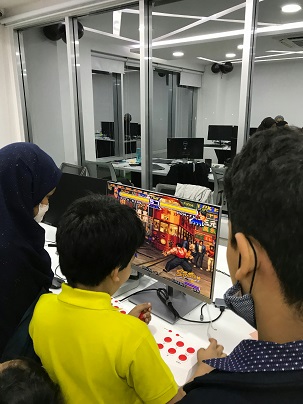

Online gaming has transformed significantly over the past decade, evolving into an entertainment medium that captivates millions of players around the world. The phenomenon of addictive online games raises questions about what makes these games so compelling and how they manage to draw players in for extended periods. Understanding the psychological factors that contribute to this addiction can help explain why certain games achieve unparalleled popularity.
One major factor is the implementation of reward systems. Many online games utilize mechanics such as points, achievements, or loot boxes that provide players with a consistent stream of rewards for their efforts. This conditioning taps into the brain’s natural dopamine release associated with pleasure and satisfaction, reinforcing the desire to keep playing. As players chase these rewards, they often invest significant amounts of time and energy into the game, making it difficult to break free from their commitments.
Another significant aspect is the social interaction embedded within these games. Online gaming communities often foster connections between players, cultivating a sense of belonging and camaraderie. Players engage in collaborative efforts, join guilds, and participate in competitions that emphasize teamwork. This social component enhances the overall gaming experience, creating an environment where players feel valued and connected. As friendships and alliances form, players may find themselves spending even more time in these virtual spaces, further entrenching their gaming habits.
Gameplay mechanics also play a critical role in the addictive nature of online games. Many games are designed with engaging narratives, immersive graphics, and dynamic environments. These elements draw players in, encouraging them to explore and invest in the game world. The combination of competitive encounters and the thrill of progression can create a loop that players find hard to resist. As they navigate challenges and level up, their commitment to the game grows, often leading to prolonged gaming sessions.
The Role of Game Design in Addiction
Game design plays a pivotal role in the creation of engaging and addictive online gaming experiences. Designers employ various techniques to capture and maintain players’ attention over extended periods. One prominent element is the implementation of leveling systems, which provide a clear progression path for players. These systems create a sense of achievement as players overcome challenges, gain experience points, and unlock new capabilities, fueling their desire to continue playing.
Another critical technique is the use of achievement systems, which reward players for completing specific tasks or challenges within the game. These can range from simple milestones to complex objectives that require considerable time and effort to achieve. By offering rewards, designers tap into the psychology of gratification, motivating players to invest more hours into the game to earn these accolades. This not only enhances the gaming experience but also fosters a sense of community as players share their accomplishments with others.
Pacing is equally important in game design, as it dictates the flow and rhythm of gameplay. Well-paced games strategically introduce difficulty spikes and new content at critical moments, ensuring that players remain engaged without feeling overwhelmed. By balancing challenges with rewards, designers can create a loop that keeps players coming back for more. Furthermore, incorporating elements such as limited-time events or seasonal updates can instill a sense of urgency, encouraging players to log in regularly to not miss exclusive opportunities.
In essence, the combination of leveling systems, achievement rewards, and effective pacing helps create an immersive environment that captivates players, fostering a deeper emotional connection to the game. This nuanced understanding of game design is crucial in driving player engagement, ultimately contributing to the addictive nature of online gaming.
Top 10 Addictive Online Games
Online gaming has evolved significantly over the years, producing a myriad of titles that capture the attention of players around the globe. Here, we highlight the top 10 most addictive online games ever created, examining their unique characteristics that contribute to their continued popularity.
1. Fortnite – This battle royale game has redefined multiplayer gaming with its vibrant graphics and engaging construction mechanics. Players compete to be the last one standing, with regular updates introducing new features and limited-time events that maintain player interest.
2. World of Warcraft – A pioneer in MMORPGs, World of Warcraft offers an expansive world filled with quests, dungeons, and a richly detailed lore. Its social aspects, including guilds and in-game events, foster a sense of community that keeps players returning.
3. League of Legends – Known for its strategic gameplay and competitive scene, League of Legends has garnered a massive global following. Players engage in intense team-based matches that require coordination and skill, driving a dedicated player base.
4. Call of Duty: Warzone – Merging the thrilling elements of traditional shooters with the battle royale format, Warzone captivates players with fast-paced action and a constantly evolving game map, which promotes continuous gameplay.
5. PUBG (PlayerUnknown’s Battlegrounds) – As one of the first entries in the battle royale genre, PUBG sets the standard with its realistic graphics and tactical gameplay. Its focus on survival and strategy adds depth to the gaming experience.
6. Genshin Impact – This open-world action RPG has gained traction for its breathtaking landscapes and rich storytelling. Players are attracted to its exploration mechanics and character-building systems, which encourage long-term engagement.
7. Candy Crush Saga – A mobile classic, Candy Crush Saga takes casual gaming to another level. Its simple yet addictive match-three gameplay encourages players to return for just one more round, leading to countless hours of gameplay.
8. Apex Legends – This free-to-play battle royale game stands out due to its character-based gameplay, where each legend possesses unique abilities. This diversity adds strategic depth, creating a compelling gaming environment.
9. Roblox – Fostering creativity, Roblox allows players to create and share their own games. This diverse user-generated content means there is always something new to discover, keeping the platform vibrant and engaging.
10. Animal Crossing: New Horizons – This social simulation game offers a sandbox experience where players can cultivate their own island paradise. Its laid-back gameplay and customizable features create an addictive loop that players find hard to resist.
The enduring popularity of these games can be attributed to their innovative features, community-driven experiences, and immersive gameplay. Each title presents unique elements that resonate with players, ensuring they remain a staple in the online gaming landscape.
Case Study: Fortnite
Fortnite, developed by Epic Games and released in 2017, has rapidly evolved into one of the most prominent titles in the online gaming landscape. Its addictive nature stems from a combination of engaging gameplay mechanics, robust social elements, and innovative monetization strategies. The core concept of Fortnite revolves around the battle royale genre, where players compete to be the last person standing on a continuously shrinking map. This concept creates a heavy sense of urgency and excitement, compelling players to return to the game regularly.
One of the most notable aspects of Fortnite is its social dimension. The game facilitates interaction among players through team play, in-game voice chat, and various social features. This environment fosters a sense of community, encouraging players to form friendships and collaborate strategically, thus enhancing the addictive experience. According to recent statistics, Fortnite maintains millions of active players worldwide, with peak player counts exceeding 15 million simultaneous users, illustrating its widespread appeal and engagement.
Monetization in Fortnite is another contributing factor to its addictive qualities. The game adopts a free-to-play model, which allows players to access its core gameplay without any initial payment. Instead, revenue is generated through in-game purchases such as cosmetic items, emotes, and battle passes. These purchases do not impact gameplay but are designed to enhance players’ experiences and allow for personal expression. As of 2020, Fortnite had reportedly generated over $1 billion in revenue, showcasing the success of its monetization strategy while ensuring sustained player interest.
Lastly, Fortnite’s impact on the gaming community cannot be overstated. It has become a cultural phenomenon, influencing not just games but also music and entertainment. Events like virtual concerts within the game attract millions, highlighting how Fortnite blends gaming with broader cultural experiences. This synergy further solidifies its position as a leader in the realm of addictive online games, drawing players back through its ever-evolving content and vibrant community.
The Impact of Social Interaction on Addiction
Online games have increasingly integrated social interaction elements that significantly enhance their addictive nature. The incorporation of multiplayer features allows players to engage with others in real-time, fostering a sense of community that single-player games often lack. This communal environment creates not only a competitive atmosphere but also forms connections through shared experiences, making the game more compelling.
One critical aspect of social interaction within these games is the formation of guilds or clans. These groups provide players with a support system and a network of friends who share common goals and interests within the game. Such affiliation can lead to increased playtime as individuals feel compelled to contribute to their guild’s success and maintain their social ties. For many players, the dynamics of their guilds, including teamwork and collaboration, add layers of engagement that are difficult to replicate in a solitary gameplay experience.
The friendships formed through online gaming further magnify the game’s addictiveness. Players often establish long-lasting relationships with fellow gamers, which encourages frequent logging into the game to socialize and partake in events. This phenomenon creates a feedback loop whereby players return to the game not solely for the gameplay but also to reconnect with friends and share in the game’s evolving narrative. The emotional investment in these relationships can result in players dedicating substantial amounts of time to gaming, reinforcing the cycle of engagement and addiction.
Moreover, social features such as in-game chat, leaderboards, and event participation add to a player’s desire to remain active within the gaming community. This interconnectedness not only enhances the gameplay but also ensures that players keep coming back, thereby solidifying the game’s position as an addictive experience.
The Psychological Effects of Gaming Addiction
Gaming addiction has become a prevalent issue in recent years, impacting individuals across various age groups. As engaging as online games may be, the overindulgence can lead to significant psychological distress. One of the most concerning effects is the onset of anxiety. Gamers often find themselves anxious about in-game performance, facing pressure to meet the expectations of peers or to maintain high-ranking positions. This can create a cycle of stress, where the gamer feels compelled to invest more time in gaming to alleviate their anxiety about their performance.
Moreover, excessive gaming is also linked to depression. As individuals delve deeper into online worlds, they may neglect real-life responsibilities and relationships. This disconnection can result in feelings of isolation, where the individual turns to gaming for solace instead of seeking social interactions. The progress in virtual environments often overshadows real-world achievements, leading to a lack of motivation to engage with friends, family, or community activities. Consequently, the absence of meaningful real-life interactions can exacerbate feelings of loneliness and contribute to depressive symptoms.
Social isolation is another profound psychological effect of gaming addiction. Many individuals who become engrossed in online games may find themselves spending prolonged periods in front of a screen, severing ties with their social circles. This isolation can impair their social skills, making it increasingly difficult to engage in face-to-face interactions. As relationships deteriorate, gamers often lose essential support systems that are vital for mental well-being. Over time, these negative effects can accumulate, resulting in more severe mental health issues.
In summary, while gaming can provide entertainment and a sense of achievement, the potential psychological effects of gaming addiction cannot be overlooked. Issues such as anxiety, depression, and social isolation highlight the darker side of gaming, warranting careful consideration and balance in gaming habits.
Success and Longevity: What Keeps Players Coming Back?
In the realm of addictive online games, success and longevity hinge on several key elements that keep players engaged and invested over time. One of the primary factors contributing to a game’s enduring appeal is the consistent release of updates and expansions. Developers who regularly introduce new content not only enhance the gameplay experience but also provide players with fresh challenges and objectives. This constant flow of new features, quests, or even entire narratives can breathe new life into a game, making it necessary for players to return and explore what’s new.
Furthermore, community events play a significant role in maintaining player interest. These events foster a sense of belonging among players, creating an interactive environment where they can share experiences, compete, and collaborate. Such events, often seasonal or themed, can boost engagement rates dramatically, resulting in increased player retention. The social aspect of community-driven content can transform a typical gaming experience into a social phenomenon, where players form connections not just with the game, but also with each other.
Another vital component is the narrative depth and world-building that many successful online games employ. Games that offer rich storylines, combined with a well-designed game universe, invite players to immerse themselves fully. This level of engagement keeps players invested not just in gameplay but also in the unfolding stories of characters and communities within the game. A captivating narrative can turn casual players into dedicated fans who return regularly to explore every facet of the world created for them.
In summary, the enduring success of online games can be attributed to an effective blend of continuous updates, player community engagement, and immersive storytelling. These elements create a dynamic environment that encourages players to return repeatedly, ensuring the game’s longevity in a competitive digital market.
The Future of Online Gaming and Addiction
The landscape of addictive online games is evolving rapidly, driven by advancements in technology and changing player expectations. As the digital world merges more deeply with our daily lives, the potential for addiction in gaming is becoming a focal point for discussion among developers, players, and mental health professionals. This section explores the impending trends that might lead to even more immersive and potentially addictive online gaming experiences.
One of the most significant advancements is the integration of virtual reality (VR) and augmented reality (AR) into gaming platforms. VR games allow players to enter fully immersive environments, which can create a strong sense of presence and connection to the game content. This level of immersion can lead to longer gaming sessions and an increased risk of game addiction, as players become more engaged in these alternate realities. AR, on the other hand, integrates digital elements into the real world, enhancing the gaming experience but also blurring the lines between reality and virtual interaction.
In addition, the implementation of artificial intelligence (AI) is transforming gameplay mechanics and player interactions. Games powered by AI can adapt to individual player behavior and preferences, creating customized experiences that can keep players engaged for extended periods. This personalized approach not only enhances enjoyment but can also increase the potential for addiction as players feel compelled to return for tailored gameplay that resonates with their interests.
Furthermore, advances in social gaming and online communities can exacerbate addictive behaviors. As players increasingly engage in collaborative or competitive formats, the pressure to perform and interact may heighten the risk of becoming addicted to gaming. As the industry continues to innovate, ongoing research and awareness will be essential in understanding and mitigating the addictive potential of these new technologies.
Conclusion: Balancing Addiction and Enjoyment
In reviewing the most addictive online games ever created, it becomes clear that while they offer immense entertainment and engagement, there exists a fine line between enjoyment and unhealthy obsession. Many popular games harness elements designed to captivate players’ attention for extended periods. These engaging features can enhance the gaming experience, drawing in individuals from various demographics.
However, it is essential to recognize the potential for addiction that these games can create. Players often find themselves immersed in virtual worlds, sometimes at the expense of their real-life responsibilities. The thrill of achieving in game milestones can lead to neglecting important aspects of daily life, such as work, academic commitments, social interactions, and physical well-being. Therefore, maintaining a healthy balance between gaming and other obligations is crucial.
To promote a healthier approach to gaming, it is advisable for players to set limits on their gaming sessions. This could mean allocating specific hours in the day for gaming or taking regular breaks to engage in offline hobbies or activities. It is equally important for players to evaluate their feelings during and after gaming sessions. If a game begins to interfere with daily life or emotional well-being, seeking support or reassessing one’s gaming habits may be necessary.
Encouraging a mindful and responsible approach to gaming not only enhances individual enjoyment but also fosters a more sustainable relationship with this form of entertainment. Gamers can revel in the stimulation and camaraderie that online gaming offers while ensuring that it does not overshadow the other vital areas of life. Ultimately, the goal should be a balanced lifestyle where gaming remains a joyful diversion rather than a source of stress or obligation.